Walk into a poorly treated room, and the problem becomes obvious within seconds. Conversations sound unclear, footsteps linger longer than they should, and every sound seems to bounce endlessly across the space. Echo is more than an annoyance. It affects communication, productivity, comfort, and the overall user experience.
To combat this challenge, architects and designers increasingly turn to specialized acoustic materials. Among the most popular options today are wood wool panels and acoustic timber panels. Both are widely used in commercial, educational, hospitality, and residential projects. Both offer attractive finishes. Both claim to improve acoustic performance.
However, when the goal is stopping echo, which solution actually performs better?
The answer requires a closer look at how sound behaves and how these two acoustic systems interact with it.
Understanding why Echo Happens
Echo occurs when sound waves strike hard surfaces and reflect back into a space. When multiple reflections overlap, they create reverberation, making rooms sound noisy and uncontrolled.
Modern architecture often amplifies this problem.
Large glass surfaces, exposed concrete, polished flooring, and open-plan layouts create environments where sound can travel freely. While these design elements may look impressive, they often require dedicated acoustic treatment to maintain comfort.
This is where acoustic materials become essential.
About Wood Wool Panels
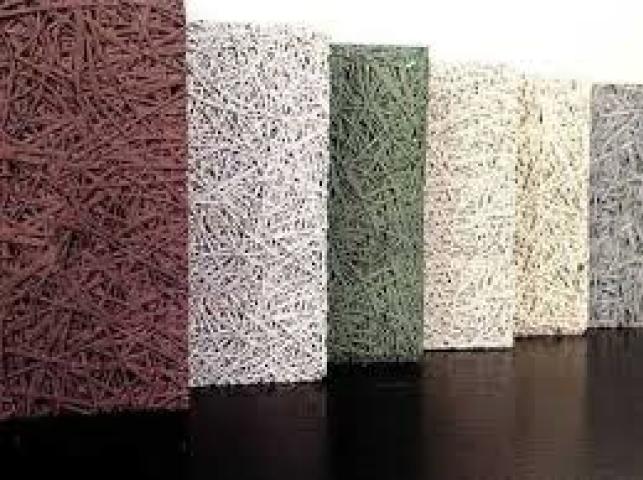
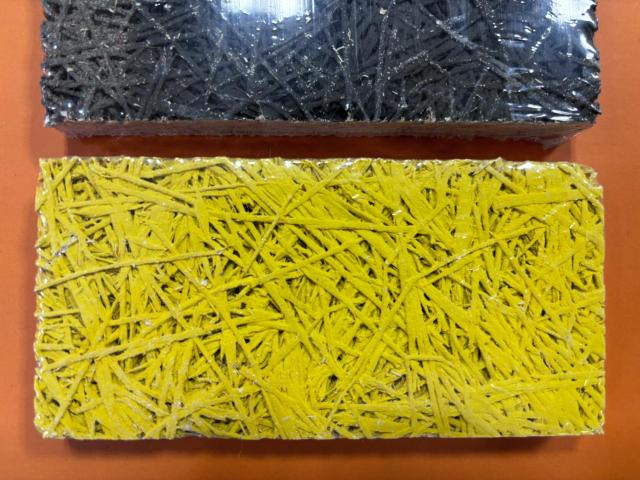
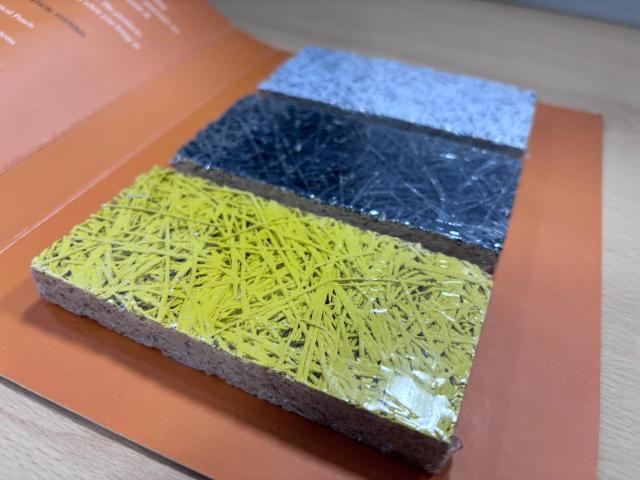
Wood wool panels are manufactured using thin strands of wood fibers bonded together with cement or other binding materials. The result is a textured panel with a distinctive appearance and strong acoustic properties.
The open structure of the fibers creates numerous pathways for sound waves to enter the material. As sound moves through the panel, acoustic energy is dissipated, reducing reflections and helping control reverberation.
Wood wool panels have become increasingly popular because they combine acoustic performance with a natural architectural aesthetic.
They are commonly found in:
Educational institutions
- Sports facilities
- Auditoriums
- Public buildings
- Commercial interiors
- Industrial environments
Their textured appearance often contributes to both acoustic and visual design goals.
About Acoustic Timber Panels
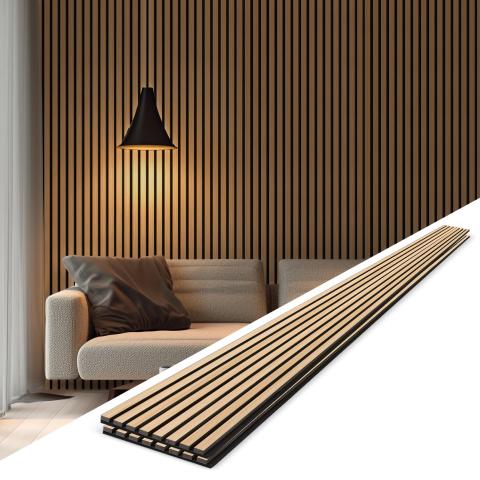
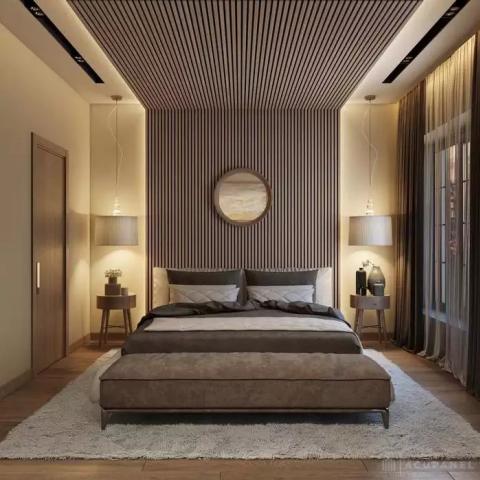
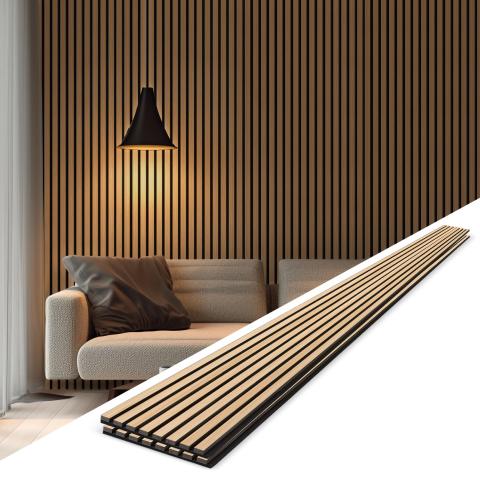
Acoustic timber panels are engineered wall or ceiling systems that combine decorative timber finishes with sound-absorbing backing materials.
Unlike traditional timber surfaces that tend to reflect sound, these panels are specifically designed to improve acoustic performance while preserving the warmth and sophistication associated with natural wood.
Most acoustic timber panels feature slotted, grooved, or slatted designs that allow sound waves to pass through the timber surface and reach an absorptive core behind it.
This combination of aesthetics and functionality has made them a favorite in modern architectural projects.
Common applications include:
- Corporate offices
- Boardrooms
- Hotels
- Restaurants
- Residential interiors
- Cultural spaces
Their premium appearance often makes them a preferred choice where design quality is a major consideration.
How Wood Wool Panels Control Echo
The effectiveness of wood wool panels comes from their porous structure.
Instead of allowing sound waves to bounce back into the room, the open fiber network captures and absorbs acoustic energy. This reduces reverberation and creates a more balanced sound environment.
One advantage of wood wool panels is their ability to absorb sound across a broad frequency range.
Because the entire panel contributes to sound absorption, they can perform effectively in large spaces where managing reverberation is the primary objective.
Their textured surface also helps diffuse sound, reducing concentrated reflections that contribute to echo.
For large halls, gymnasiums, educational facilities, and public spaces, this characteristic can be particularly valuable.
How Acoustic Timber Panels Control Echo
Acoustic timber panels approach sound control differently.
Their performance relies on a combination of engineered openings and absorptive backing materials. Sound waves pass through the slots or perforations and are absorbed behind the visible timber surface.
This design allows acoustic timber panels to deliver excellent reverberation control while maintaining a high-end appearance.
In many commercial environments, speech clarity is a major concern. Meeting rooms, conference facilities, executive offices, and hospitality spaces require acoustic treatment that enhances communication without compromising aesthetics.
Acoustic timber panels excel in these situations.
Their ability to combine acoustic performance with architectural sophistication explains their growing popularity among designers.
Comparing Acoustic Performance
When evaluating echo control, both solutions can be highly effective.
However, their strengths often depend on the specific application.
Wood Wool Panels
Advantages include:
- Broad-frequency sound absorption
- Excellent reverberation control
- Natural sound diffusion
- Durable performance
- Suitable for large-volume spaces
These characteristics make wood wool panels particularly effective in spaces where reducing overall reverberation is the primary objective.
Acoustic Timber Panels
Advantages include:
- Strong acoustic absorption when properly specified
- Enhanced speech intelligibility
- Premium visual appeal
- Design flexibility
- Seamless integration into modern interiors
These benefits make acoustic timber panels especially valuable in environments where acoustic performance and aesthetics carry equal importance.
Read to know more on wood wool panels: Why Wood Wool Ceilings are considered as Secret Weapon for Noise-Free Interiors?
Which Solution Performs Better in Different Spaces?
The answer often depends on the room itself.
Educational Facilities
Classrooms, lecture halls, and educational buildings often benefit from wood wool panels because of their ability to absorb sound across large areas and improve overall acoustic comfort.
Corporate Offices
Acoustic timber panels are frequently preferred in office environments because they enhance speech clarity while supporting contemporary interior design schemes.
Hospitality Spaces
Hotels, restaurants, and luxury venues often choose acoustic timber panels for their sophisticated appearance and effective reverberation control.
Public Buildings
Large civic spaces frequently utilize wood wool panels due to their durability and strong acoustic performance in high-volume environments.
Residential Interiors
Acoustic timber panels have become increasingly popular in residential projects because they combine decorative appeal with practical sound management.
The Design Factor
Acoustic performance is not the only consideration.
Designers increasingly seek materials that contribute to a space's visual identity.
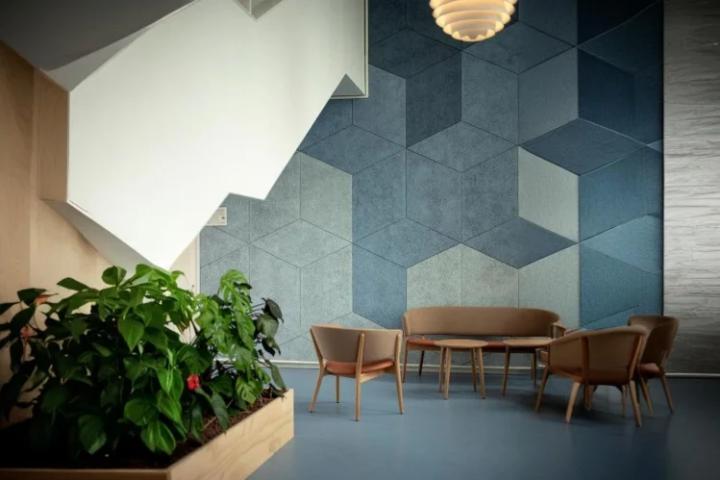
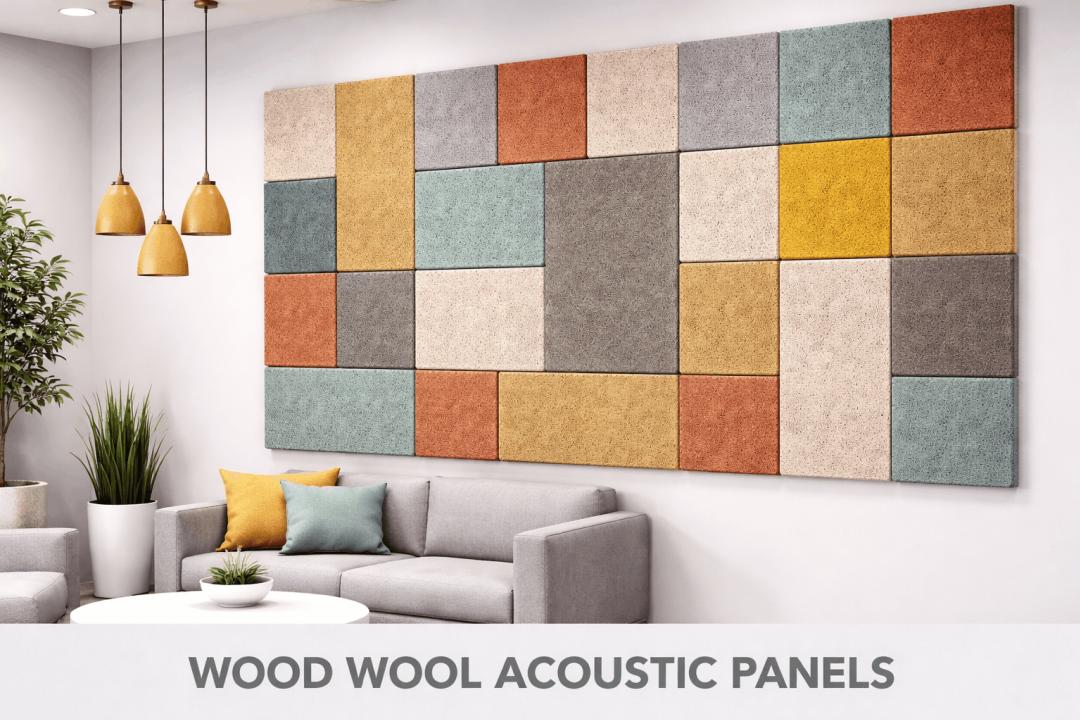
Wood wool panels offer a distinctive textured appearance that creates a natural and contemporary aesthetic. They work particularly well in sustainable and biophilic design concepts.
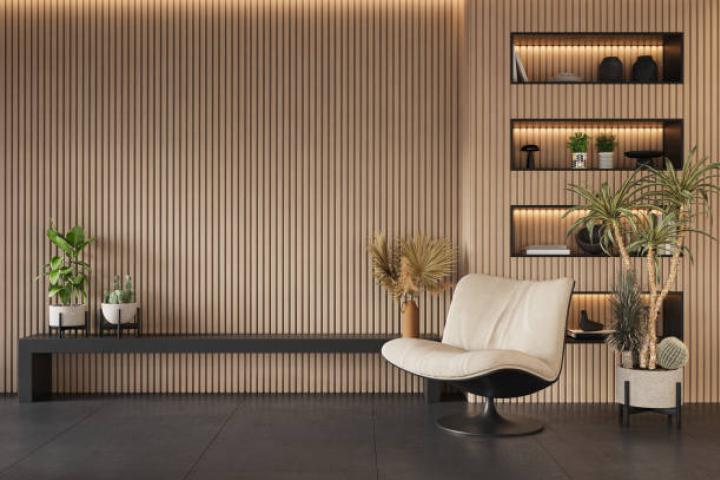
Acoustic timber panels provide a more refined architectural finish. Available in various wood species, veneers, colors, and patterns, they allow designers to create highly customized interiors.
For projects where aesthetics play a significant role, acoustic timber panels often offer greater design versatility.
Cost and Long-term Value
Budget considerations naturally influence material selection.
Wood wool panels are often viewed as a cost-effective solution for large-scale acoustic treatment. Their durability and low maintenance requirements contribute to long-term value.
Acoustic timber panels may involve a higher initial investment due to their premium materials and customized finishes. However, they deliver strong value in projects where aesthetics and acoustic performance are equally important.
The best investment depends on project priorities rather than material cost alone.
So, what actually Stops Echo Better?
There is no universal winner.
If the primary objective is maximizing reverberation control across large spaces, wood wool panels often provide exceptional performance and efficiency.
If the goal is achieving excellent acoustic control while maintaining a sophisticated architectural appearance, acoustic timber panels frequently become the preferred solution.
In many projects, the most effective strategy combines multiple acoustic treatments rather than relying on a single product.
Ultimately, the material that stops echo best is the one selected based on the specific acoustic requirements, room geometry, and design objectives of the space.
Conclusion
The debate between wood wool panels and acoustic timber panels is not about determining a superior product. It is about understanding how each solution addresses different acoustic challenges.
Wood wool panels excel at broad sound absorption and reverberation control in large environments. Acoustic timber panels deliver strong acoustic performance while elevating interior aesthetics.
For designers seeking quieter, more comfortable spaces, both materials offer valuable solutions. The key lies in matching the right product to the right environment, ensuring that acoustics and design work together to create exceptional user experiences.
FAQs
1. What are wood wool panels used for?
Wood wool panels are used to reduce reverberation, improve acoustics, and enhance sound comfort in commercial, educational, and public spaces.
2. Are acoustic timber panels effective for echo reduction?
Yes. Acoustic timber panels are specifically designed to absorb sound and reduce echo while maintaining a premium architectural appearance.
3. Which is better for large spaces: wood wool panels or acoustic timber panels?
Wood wool panels are often preferred for large-volume spaces due to their broad sound absorption capabilities and efficient reverberation control.
4. Can acoustic timber panels improve speech clarity?
Yes. Acoustic timber panels help reduce sound reflections, making conversations clearer and improving speech intelligibility.
5. Are wood wool panels environmentally friendly?
Many wood wool panels are manufactured using natural wood fibers and sustainable production methods, making them a popular choice for eco-conscious projects.
Enhance Acoustic Performance with Tranquil Global
At Tranquil Global, we offer high-performance acoustic products designed to improve sound quality, reduce echo, and elevate interior aesthetics. Whether you're exploring acoustic timber panels for a sophisticated architectural finish or wood wool panels for effective reverberation control, our solutions are engineered to meet the demands of modern commercial and residential environments. Connect with Tranquil Global today and create spaces that sound as exceptional as they look.