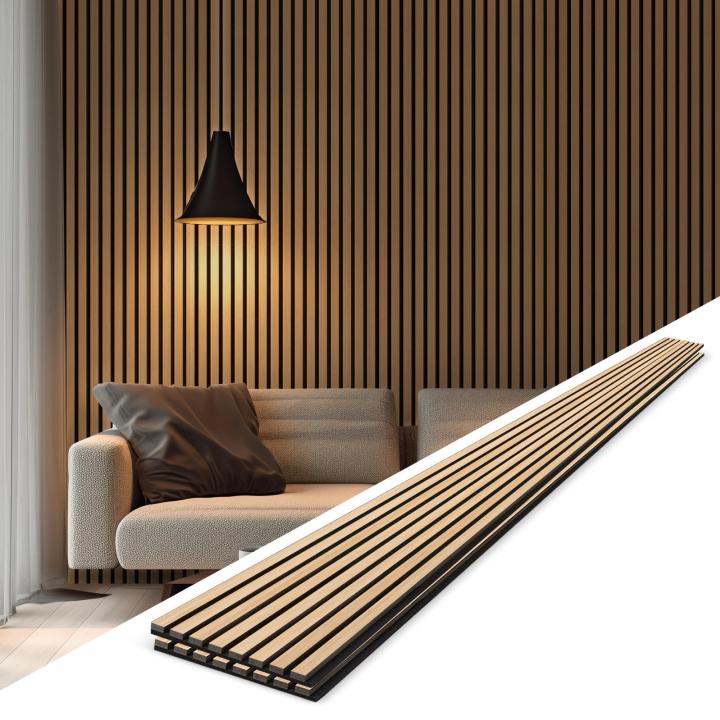
Walk into almost any modern office, luxury hotel, upscale restaurant, or designer home today and you will notice something interesting.
Wood is everywhere.
Not the heavy, old-fashioned wood interiors from decades ago. This is different. Cleaner lines. Sophisticated textures. Warm finishes paired with contemporary architecture. The spaces feel modern, but they also feel calm, balanced, and strangely comfortable.
Most people assume designers choose these interiors simply because they look beautiful.
Designers, however, know the real secret.
The wood is doing far more than decorating the room.
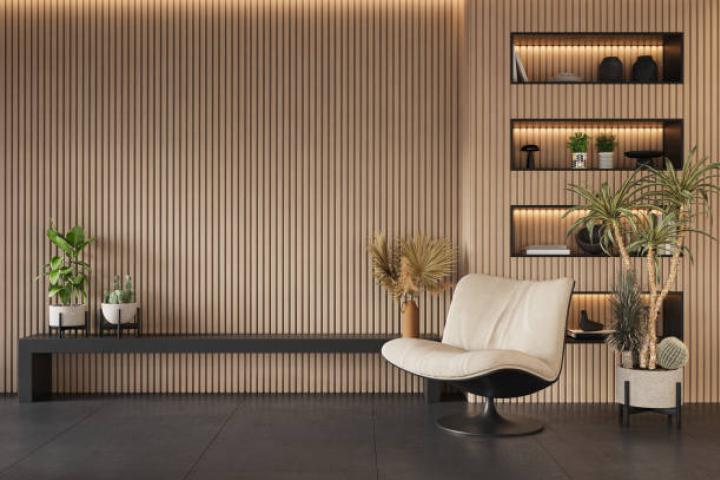
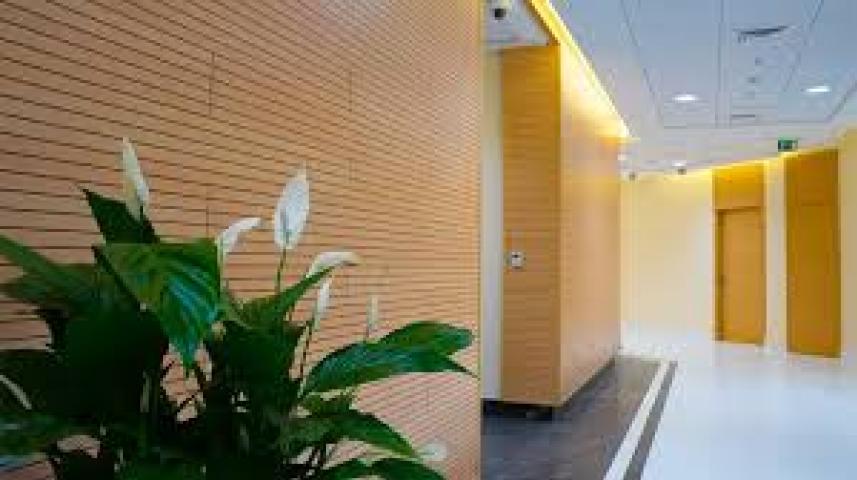
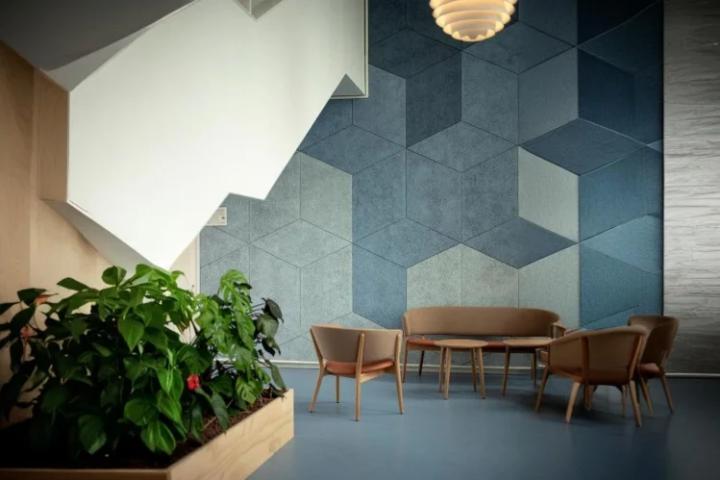
Behind many of today’s most visually stunning interiors is a quiet acoustic strategy built around wooden acoustic panels. While aesthetics may attract attention first, the growing obsession with acoustic wood panels has very little to do with appearances alone.
Because the truth is simple:
Modern spaces have become too noisy to function properly without acoustic balance.
And designers are finally refusing to pretend otherwise.
The Modern Interior Crisis Nobody Talks about
For years, architecture has prioritized openness.
Open offices.
Open restaurants.
Open living spaces.
Open ceilings.
Open everything.
At the same time, interiors became filled with hard surfaces like concrete, marble, steel, and glass. Visually, the result looked sleek and luxurious. Acoustically, it created a disaster.
Sound now bounces endlessly through many modern interiors.
Conversations overlap.
Echoes build up.
Restaurants feel exhausting.
Offices become mentally draining.
Homes no longer feel peaceful.
Ironically, many of the world’s most beautifully designed interiors are also the hardest places to comfortably exist in for long periods.
Designers know this.
That is exactly why acoustic wood panels are quietly taking over contemporary interiors.
Looks might Sell the Idea, but Comfort Sells the Experience
Here is the part most clients do not immediately realize.
People rarely walk into a room and say:
“Wow, the acoustics in here are incredible.”
What they usually say is:
“This place feels calm.”
“This office feels comfortable.”
“This restaurant feels relaxing.”
“This hotel feels premium.”
Acoustics shape emotional experience in ways people often cannot consciously identify.
And wood acoustic paneling plays a major role in creating that atmosphere.
The panels soften sound reflections, reduce harsh echoes, and help spaces feel balanced rather than overwhelming.
The visual warmth of wood may attract attention first, but the acoustic comfort is what people actually remember.
Why Wooden Acoustic Panels Work so Well
Wood has always carried a certain emotional quality in design. It introduces warmth into spaces dominated by colder industrial materials.
But wooden acoustic panels go beyond aesthetics because they are specifically engineered to manage sound behavior inside a room.
Instead of allowing sound waves to bounce aggressively across hard surfaces, the panels help absorb and diffuse sound energy more evenly.
This improves:
- Speech clarity
- Noise contol
- Acoustic comfort
- Workplace focus
- Dining experiences
- Residential relaxation
The result is a space that feels calmer without sacrificing openness or architectural >
That balance is exactly what modern design has been struggling to achieve.
Designers are Quietly Solving Open Office Problems
Open-plan offices looked revolutionary when they first became popular.
Then reality arrived.
Employees discovered they could hear every conversation happening within a 20-foot radius. Zoom meetings collided with brainstorming sessions. Phone calls became background noise for entire departments.
Suddenly, “collaboration” started sounding suspiciously like “constant distraction.”
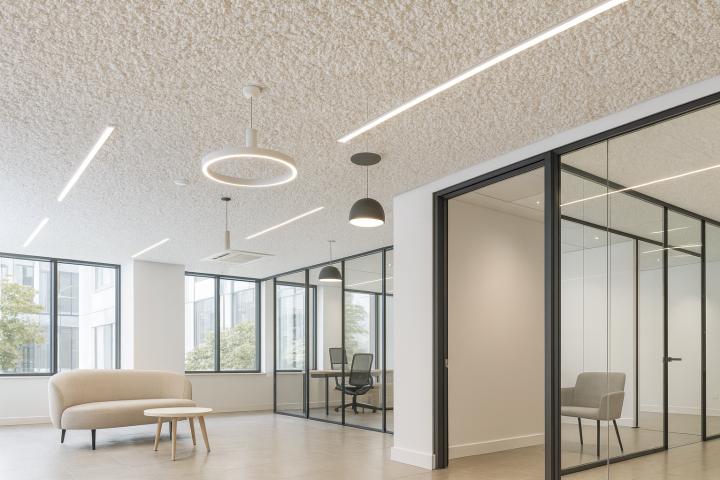
This is one reason acoustic wood panels have become so popular in modern workplaces.
They allow offices to maintain open layouts while improving acoustic performance dramatically.
Instead of closing off spaces completely, designers use wood acoustic paneling strategically across walls and ceilings to soften sound reflections and reduce ambient noise buildup.
Translation?
People can finally focus again without feeling trapped inside cubicles from 1997.
Restaurants also Learned the Hard Way
Restaurant design went through its own acoustic identity crisis.
Minimalist interiors became fashionable. Hard surfaces dominated dining spaces. Exposed brick, polished concrete, and giant glass windows created visually stunning restaurants.
Then customers arrived and realized they needed Olympic-level vocal strength just to order dessert.
Modern restaurants often sound louder than airports.
That is why wooden acoustic panels are now appearing in dining spaces everywhere. They help reduce reverberation while maintaining the sophisticated atmosphere restaurants want.
Because nobody wants date night to feel like participating in a public debate competition.
Luxury Hotels Understand the Psychology of Quiet
Luxury is not only about appearance anymore.
It is about experience.
The best hotels understand that guests remember how a space feels emotionally just as much as how it looks visually.
Quiet environments feel more exclusive.
Balanced acoustics feel more relaxing.
Comfortable sound levels create a sense of privacy and calm.
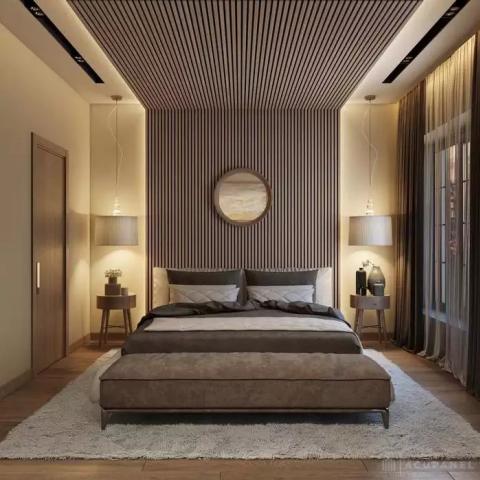
This is why acoustic wood panels are increasingly integrated into hotel lobbies, suites, conference areas, lounges, and hospitality interiors.
The panels help control noise without making spaces feel overly technical or artificial.
Instead, they blend naturally into premium interior design language.
Basically, they let hotels whisper luxury instead of shouting it.
Homes have become Noisier than Ever
Residential design has also embraced open layouts, but many homeowners now realize open spaces come with acoustic consequences.
Sound travels everywhere.
One television becomes everyone’s television.
One phone call becomes a household announcement.
One blender becomes a neighborhood event.
Wood acoustic paneling helps homeowners regain some sense of balance without sacrificing contemporary aesthetics.
And unlike bulky soundproofing systems, wooden acoustic panels often feel like intentional design features rather than technical corrections.
That difference matters.
People want homes that feel peaceful without looking like recording studios.
Sustainability made Wooden Acoustic Panels Even More Popular
Another reason designers increasingly choose acoustic wood panels is sustainability.
Many modern panel systems use responsibly sourced wood materials and environmentally conscious manufacturing processes.
As interior design shifts toward wellness-focused and sustainable architecture, wood naturally fits into that conversation.
It introduces warmth, texture, acoustic comfort, and environmental awareness simultaneously.
Few materials manage to combine all those qualities as effectively.
Which is why designers keep returning to wood again and again.
Acoustic Comfort became the Real Luxury
For years, luxury design focused heavily on visual impact.
Now the conversation is changing.
People are exhausted by constant noise. Cities are louder. Offices are louder. Restaurants are louder. Even homes feel overstimulating.
As a result, acoustic comfort has become one of the defining characteristics of sophisticated modern interiors.
The best-designed spaces no longer simply look impressive.
They sound balanced.
They feel calming.
They support concentration and communication.
They reduce sensory fatigue.
And wooden acoustic panels help make that possible without compromising aesthetics.
Read to know more on acoustic wood panels here: Wood Acoustic Paneling: Hidden Science Behind High End Architectural Finishes
Designers already Know the Future
The future of interior design is not about choosing between beauty and functionality anymore.
The best spaces combine both.
Designers understand that acoustic performance directly influences how people experience environments emotionally, socially, and psychologically.
That is why acoustic wood panels are no longer viewed as optional acoustic add-ons. They are becoming central design elements in workplaces, hospitality spaces, commercial interiors, and homes alike.
The aesthetics may help sell the idea initially.
But comfort is the reason these panels continue winning.
Final Thoughts
Modern interiors have spent years prioritizing visual minimalism while quietly creating acoustic chaos in the process. Open layouts and hard surfaces may look sophisticated, but without proper sound management, they often become exhausting environments to live and work in.
Wooden acoustic panels are helping designers solve this challenge beautifully. By combining warmth, acoustic performance, sustainability, and contemporary aesthetics, acoustic wood panels are redefining how modern interiors function and feel.
Whether in offices, restaurants, hotels, or residential spaces, wood acoustic paneling creates environments that are not only visually refined but also emotionally comfortable.
And perhaps that has been the real goal of great design all along.
FAQs
1. What are wooden acoustic panels?
Wooden acoustic panels are specially designed panels that help absorb and control sound while adding warmth and visual appeal to interiors.
2. How do acoustic wood panels improve room acoustics?
Acoustic wood panels reduce echo and sound reflection by absorbing and diffusing sound waves throughout a space.
3. Where can wood acoustic paneling be installed?
Wood acoustic paneling can be installed in offices, restaurants, hotels, conference rooms, homes, studios, and commercial interiors.
4. Are wooden acoustic panels only decorative?
No, wooden acoustic panels provide both aesthetic enhancement and acoustic performance by improving sound quality within a room.
5. Why are acoustic wood panels popular in offices?
They help reduce workplace noise distractions while maintaining open and modern office layouts.
Ready to Create Interiors that Sound as Good as they Look?
Modern spaces should deliver more than visual impact alone. They should also support comfort, focus, communication, and acoustic balance. Whether you are designing an office, upgrading a hospitality space, or transforming residential interiors, solutions like wooden acoustic panels, acoustic wood panels, and wood acoustic paneling can dramatically improve both aesthetics and sound quality.
At Tranquil Global, advanced acoustic solutions are designed to help create interiors that feel refined, balanced, and acoustically comfortable. Because great design is not only about what people see. It is also about what they no longer have to hear.