Modern interiors have mastered minimalism.
Concrete walls.
Glass partitions.
Exposed ceilings.
Industrial finishes.
Sharp architectural lines.
Visually, these spaces feel clean, sophisticated, and contemporary.
Emotionally, however, many of them feel surprisingly cold.
Not because of the lighting.
Not because of the furniture.
But because of what people constantly hear inside them.
Echo.
Reverberation.
Overlapping conversations.
The subtle but exhausting sensory pressure of sound reflecting endlessly across hard surfaces.
This is exactly why acoustic wood panel wall systems are becoming one of the most influential design solutions in modern architecture.
Because in 2026, interior design is no longer only about aesthetics.
It is about creating environments people can comfortably exist in.
And increasingly, wood acoustic paneling is helping architects soften the harshness modern interiors unintentionally created.
Why Modern Interiors often Feel Acoustically Harsh
Contemporary architecture heavily relies on materials that reflect sound:
- concrete,
- glass,
- metal,
- polished flooring,
- and exposed structural elements.
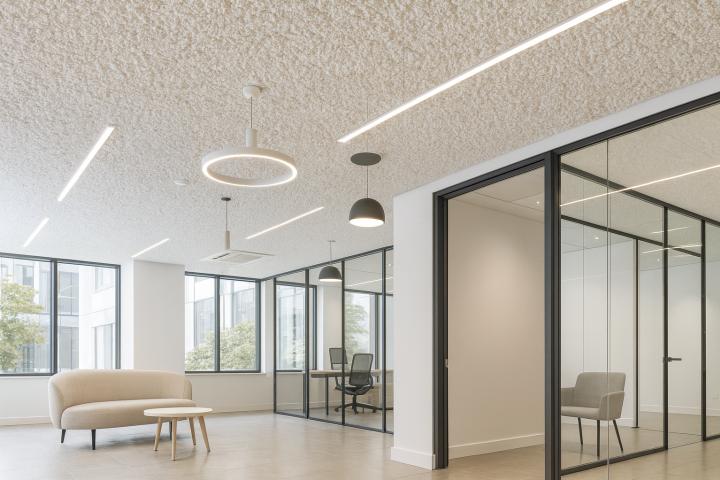
While these materials create visually striking interiors, they often produce acoustically aggressive environments.
In busy commercial spaces, this leads to:
- echo build-up,
- speech overlap,
- reduced privacy,
- cognitive fatigue,
- and uncomfortable sensory stimulation.
The result is a space that may look luxurious but feels mentally draining over time.
This is one reason why architects are increasingly integrating acoustic wood panel wall systems into contemporary interiors.
Because acoustic comfort has become inseparable from emotional comfort.
The Rise of Design-led Acoustic Solutions
For years, acoustic treatment was approached purely from a technical perspective.
Many traditional sound-control systems prioritized performance but ignored aesthetics.
Modern architecture demands something different.
Today, designers want acoustic solutions that:
- improve sound balance,
- support visual sophistication,
- introduce warmth,
- and contribute to the architectural identity of a space.
This is exactly where wood acoustic paneling stands out.
It combines:
- acoustic functionality,
- natural material warmth,
- architectural texture,
- and modern design flexibility.
Rather than looking like an added acoustic correction, it becomes part of the interior story itself.
Why Wood Changes the Emotional Experience of a Space
There is something psychologically calming about wood in architecture.
In environments dominated by hard industrial surfaces, wood introduces:
- warmth,
- softness,
- visual rhythm,
- and human connection.
When combined with acoustic functionality, the impact becomes even more powerful.
Acoustic wood panel wall systems help spaces feel:
- quieter,
- calmer,more intimate,
- and emotionally balanced.
This is especially important in:
- corporate offices,
- hospitality spaces,
- executive meeting rooms,
- coworking environments,
- luxury residences,
- and premium commercial interiors.
Because people naturally respond better to environments that reduce sensory stress.
Wood Acoustic Paneling and the Psychology of Comfort
The human brain continuously processes environmental sound.
Even when background noise seems subtle, excessive reverberation forces the brain to constantly filter distractions.
Over time, this contributes to:
- mental fatigue,
- reduced concentration,
- communication strain,
- and elevated stress levels.
That is why acoustic design is increasingly becoming part of wellness-oriented architecture.
And wood acoustic paneling plays a major role in this shift.
By absorbing reflected sound and improving acoustic balance, these systems create interiors that support:
- focus,
- speech clarity,
- emotional comfort,
- and longer-term cognitive ease.
In many modern spaces, this invisible improvement dramatically changes how people experience the environment.
Why Acoustic Wood Panels are becoming Architectural Signatures
In 2026, acoustic materials will no longer be hidden behind walls.
They are becoming visible architectural elements.
Designers increasingly use acoustic wood panel wall systems not only for performance, but for:
- texture,
- depth,
- spatial rhythm,
- and visual sophistication.
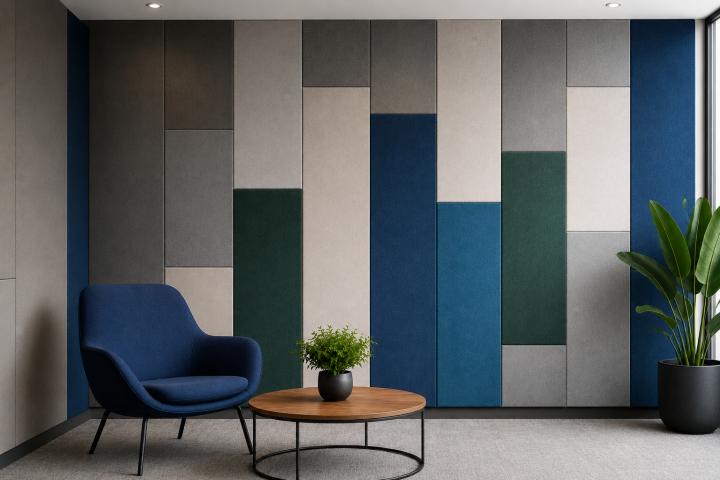
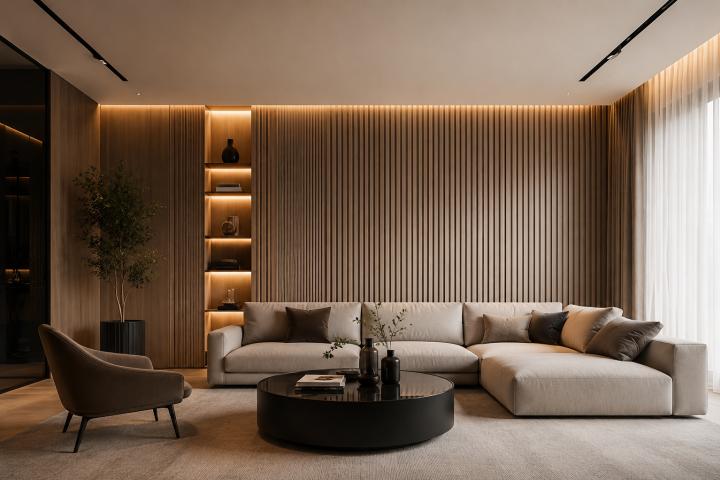
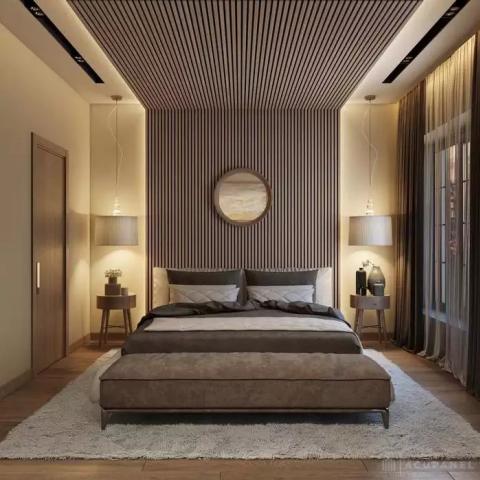
The linear detailing of modern wood acoustic paneling creates a refined aesthetic language that works exceptionally well across contemporary commercial interiors.
This makes acoustic wood panels especially popular in:
- premium offices,
- luxury hospitality projects,
- auditoriums,
- conference spaces,
- retail environments,
- and executive interiors.
The result is a space that sounds controlled while still feeling visually warm and architecturally elevated.
Acoustic Design is becoming a Business Advantage
Businesses today are increasingly evaluated by experience.
Employees perform better in calmer offices.
Clients perceive acoustically balanced spaces as more premium.
Customers remain longer in comfortable hospitality environments.
That is why acoustic wood panel wall systems are no longer treated as optional upgrades.
They are becoming strategic investments in:
- workplace wellness,
- customer experience,
- architectural identity,
- and long-term environmental comfort.
The most memorable spaces today are not always the loudest or most visually dramatic.
They are often the spaces that simply feel effortless to occupy.
Where Wood Acoustic Paneling is Commonly Used
Today, wood acoustic paneling is widely installed across:
- corporate offices,
- conference rooms,
- coworking spaces,
- hotel interiors,
- luxury residential projects,
- educational institutions,
- auditoriums,
- hospitality environments,
- and premium retail spaces.
As architecture continues shifting toward human-centered environments, acoustic wood solutions are becoming increasingly central to interior planning.
Read more on acoustic wood panels here: From Concept to Construction: Acoustic Wood Panels that Bring Bold Designs to Life
Why Businesses Choose Tranquil Global
At Tranquil Global, we believe acoustic comfort should enhance architectural beauty, not compete with it.
Our wood acoustic paneling and acoustic wood panel wall systems are designed to help businesses create:
- acoustically balanced interiors,
- visually sophisticated environments,
- emotionally comfortable spaces,
- and modern architectural experiences that support both aesthetics and well-being.
FAQs
What is wood acoustic paneling used for?
Wood acoustic paneling is used to reduce echo, absorb reflected sound, and improve acoustic comfort in commercial and residential interiors.
Why are acoustic wood panels popular in modern architecture?
They combine acoustic performance with warmth, texture, and contemporary architectural aesthetics.
Do acoustic wood panel wall systems improve workplace comfort?
Yes. They help reduce reverberation and sound distractions, creating quieter and more comfortable environments.
How does wood acoustic paneling affect interior experience?
Wood acoustic paneling improves both the visual and acoustic atmosphere of a space, making interiors feel calmer and more balanced.
Create Softer and Smarter Interiors With Tranquil Global
Modern interiors should not feel acoustically exhausting.
With advanced wood acoustic paneling and acoustic wood panel wall systems from Tranquil Global, businesses can create environments that support comfort, focus, architectural sophistication, and better human experiences.
Connect with Tranquil Global today to build interiors that sound as refined as they look.