
Sound moves through a room in ways we often notice before we understand them. A conversation sounds blurred, or a meeting room develops that familiar hollow quality where every voice seems to linger. The issue is often not simply how loud the original sound is. It is in what happens to the sound after it reaches the surfaces around us.
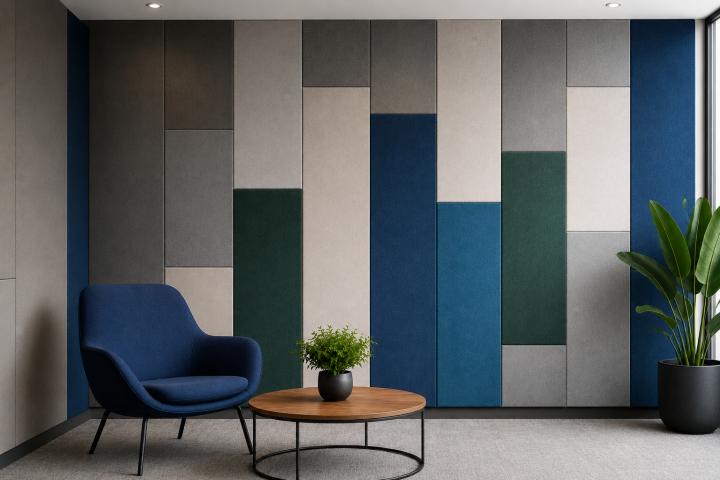
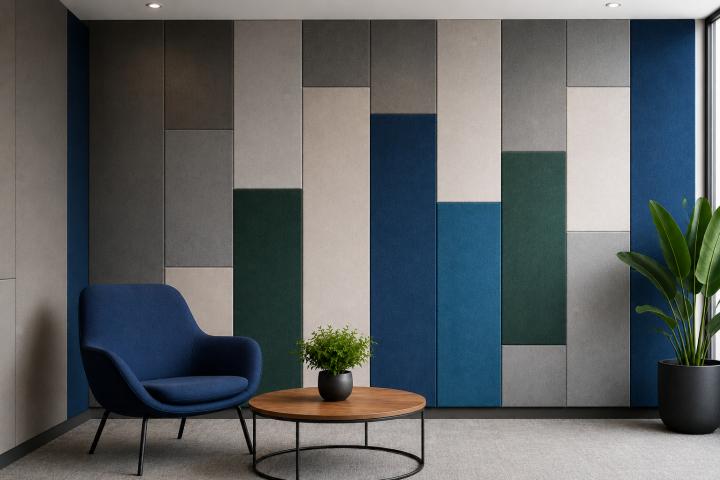
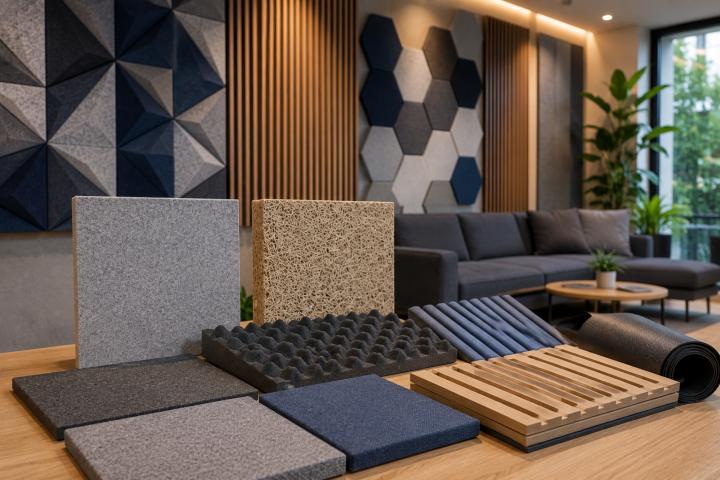
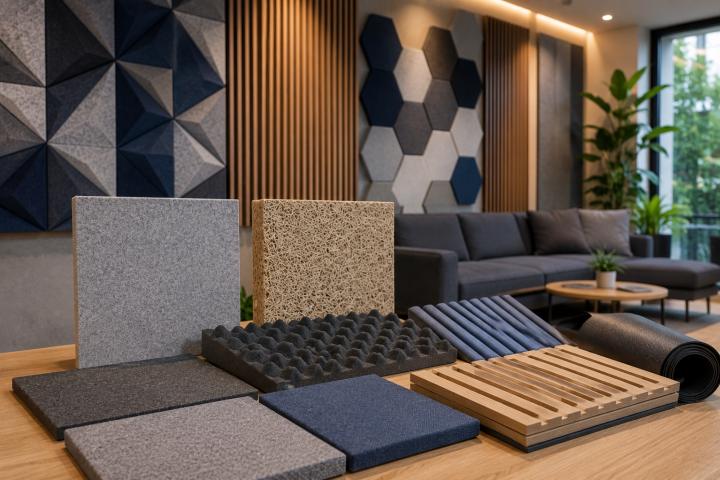
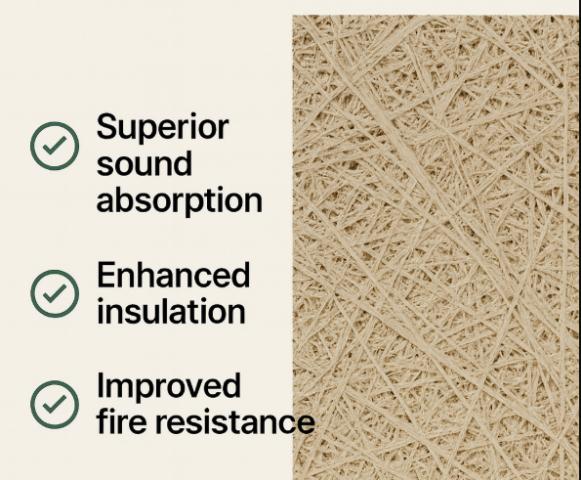
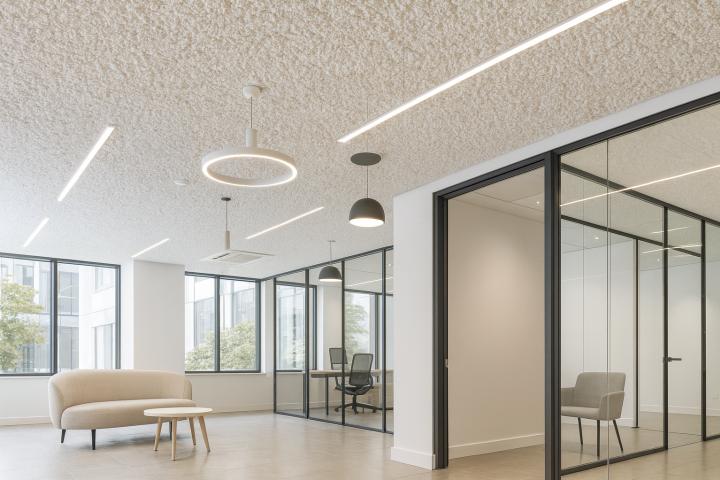
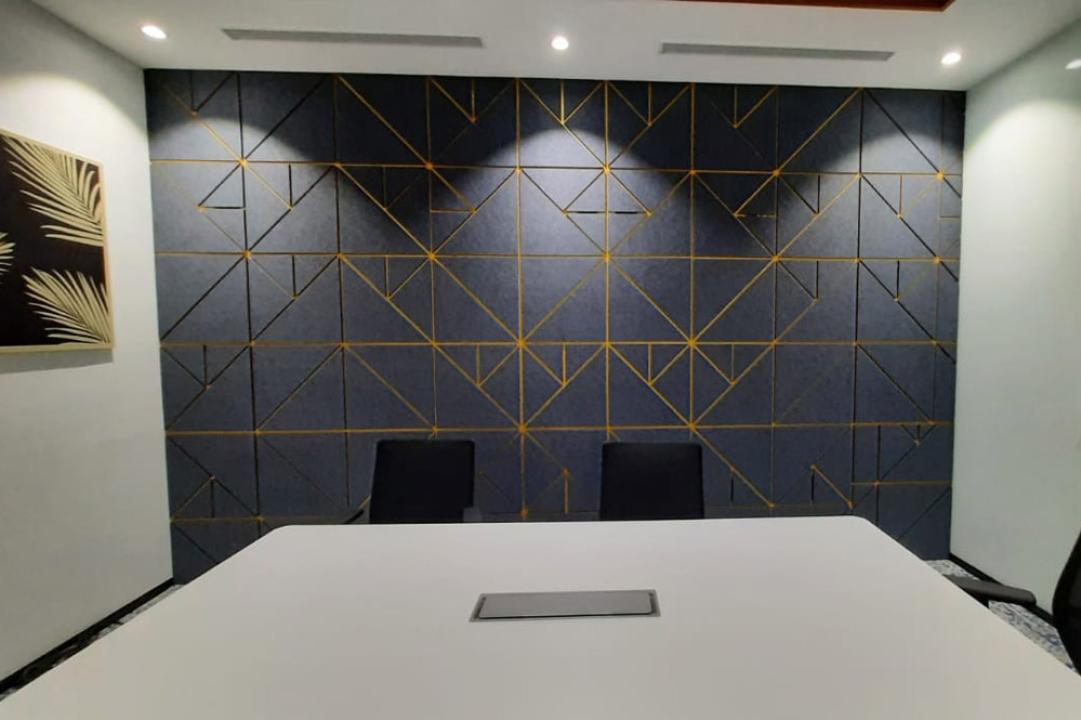
This is where acoustic PET panels become interesting. After all, these panels are designed to interact with sound waves inside a room. Their fibrous structure can absorb a portion of the acoustic energy. All of this helps to reduce reflections and control reverberation.
But what actually happens when a sound wave hits the panel?
Reflection does not Completely Disappear
An acoustic panel does not make sound vanish the moment a wave touches it.
Part of the sound can still be reflected from the surface. Another portion enters the material and interacts with its fibres. The balance between reflection, absorption, and transmission depends on al ot of factors. This can include frequency, panel thickness, density, surface characteristics, mounting, and the surrounding construction.
Fibre Movement Helps Dissipate Acoustic Energy
Inside the panel, sound waves cause tiny movements of air around the fibres.
As the air moves through the porous structure, the fibres and air interact. This creates resistance to the movement of the acoustic wave.
The process is not dramatic or visible. There is no obvious mechanical movement that someone standing beside the panel would notice. Yet at the microscopic level, this interaction is important. This is because it reduces the amount of acoustic energy available for continued reflection.
The result can be less persistent reverberation within the room.
Read to know more about PET panels here: The Future of Acoustic Comfort with Polyester Fibre Acoustic Panel Innovations
Thickness Gives Sound More Material to Work through
Panel thickness can influence absorption. This is because it changes the path available for sound to interact with the fibrous structure.
A thin panel and a substantially thicker panel may therefore behave differently. It may occur particularly at lower frequencies. This does not mean that simply choosing the thickest available panel is always the best solution. The right thickness depends on the acoustic objective, room dimensions, frequency range, and installation method.
The useful question is not "How thick is the panel?" but "Is the panel thickness appropriate for the acoustic problem?"
Conclusion
When sound waves hit acoustic PET panels, they encounter a fibrous structure designed to absorb part of their acoustic energy rather than reflecting all of it back into the room. Air movement through the porous material creates resistance and dissipates energy, helping reduce reflections and manage reverberation.
However, the final result depends on much more than the material itself. Frequency, thickness, mounting, air gap, coverage, placement, and the existing room surfaces all influence performance.
That is why PET polyester acoustic panels should be selected as part of an overall acoustic strategy. When the material, installation and room requirements work together, acoustic treatment becomes less about simply adding panels and more about deliberately shaping how a space sounds.
Design the Room around Better Sound
Choosing an acoustic material is only the beginning. The bigger opportunity is to create a space where sound supports concentration, communication, and comfort. Tranquil Global helps bring acoustic performance and interior design together through thoughtfully selected acoustic solutions. Call now to learn more!
FAQs
What happens when sound waves hit acoustic PET panels?
Part of the sound is reflected while another portion enters the fibrous structure. Air movement through the fibres encounters resistance. It also helps to dissipate acoustic energy and reduce reflections.
Are acoustic PET panels used for sound absorption?
Yes. They are primarily used to absorb sound within a room and help control reverberation and reflections.
Do PET polyester acoustic panels soundproof a room?
Not automatically. Absorption and sound isolation are different acoustic functions. PET panels can improve the internal acoustic environment. However, it should not be treated as a complete soundproofing solution.