Quick Summary: Heirloom pieces previously used to mean solid wood furniture or hand woven textiles. These were things that have been built to outlast a generation. PET acoustic panels seem like an odd fit for that idea at first. After all, it is being made from recycled plastic bottles. But look closer at their durability! Look at the timeless patterns, and growing presence it bestows in the design history. Eventually, the comparison starts to make real sense.
Introduction
Heirloom is a strange word to put next to a material whose origins come from crushed up water bottles. When people think of things passed down through generations, they usually picture common things. This includes solid oak tables and handwoven rugs. It can also be a grandmother's clock ticking away in a hallway. Not acoustic panels.
But stick with me here. The idea of an heirloom isn't really about the material itself. It's about durability, meaning, and something that stays relevant instead of fading with trends. And oddly enough, PET acoustic panels are starting to check a lot of those boxes in their own modern way.
Let's actually explore this instead of dismissing it outright.
What Makes Something an Heirloom Anyway
Before deciding whether PET acoustic panels qualify, it helps to think about what actually makes something worthy of that label in the first place. It's rarely about cost. It's about longevity, craftsmanship, and a kind of quiet permanence. This is something that doesn't just survive years but stays meaningful across them.
A good heirloom also tends to carry a story if you look into it. Where it came from, how it was made, and what it represents all of it is there. This is where things get interesting. After all, PET polyester acoustic panels actually carry a fairly compelling story of their own. One is tied to sustainability and reinvention rather than tradition.
The Material Story Behind PET Panels
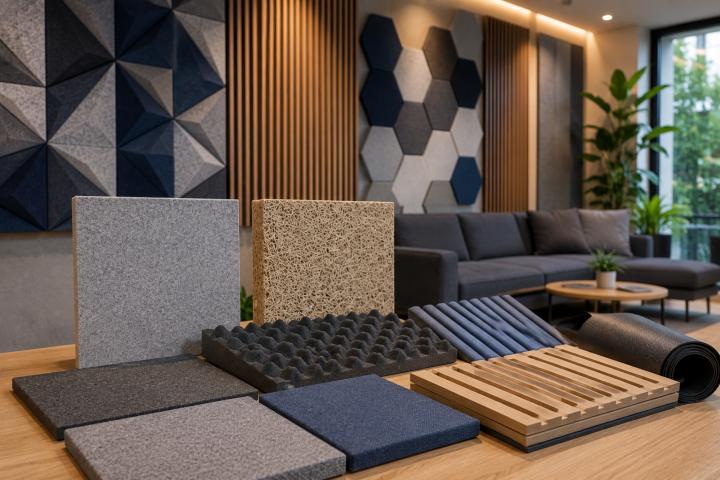
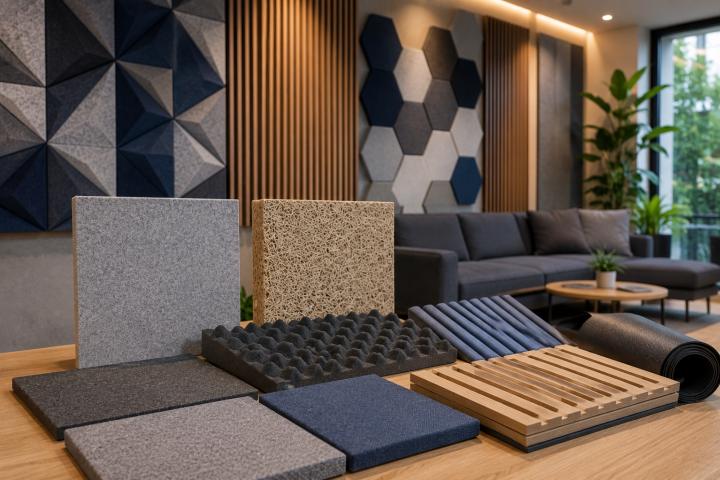
PET acoustic panels come from recycled polyethylene terephthalate. This is the same plastic that is used in most beverage bottles. Instead of ending up in a landfill or ocean, that plastic gets shredded, and melted down. Gradually, it is reformed into dense, felt like boards that happen to absorb sound remarkably well.
There's something genuinely poetic about that transformation. A material once considered disposable becomes something built to last inside a home or office for decades. That's not a small shift. It's the exact kind of narrative that gives heirloom pieces their emotional weight. After all, it is an object with a past worth mentioning, not just a function to perform.
Durability that Actually Holds Up
Heirlooms need to survive time, plain and simple. This is where PET acoustic panels genuinely earn their place in the conversation. Unlike foam based acoustic products that degrade, yellow, or crumble after several years, PET based materials hold their shape. They also maintain their color remarkably well.
They resist moisture, don't sag, and don't lose their acoustic performance the way cheaper alternatives often do. A polyester acoustic board installed today can realistically still be doing its job decades from now. It will be quietly working in the background the same way a well-built piece of furniture does.
This kind of longevity matters more than people usually give it credit for. After all, an heirloom isn't defined by being untouched by time. It's defined by handling time gracefully. This is exactly what acoustic PET panels tend to do.
Timeless Design, not Just Trend Chasing
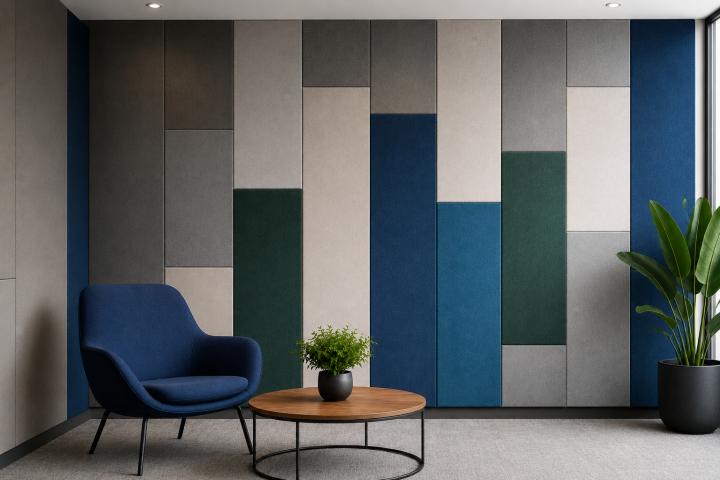
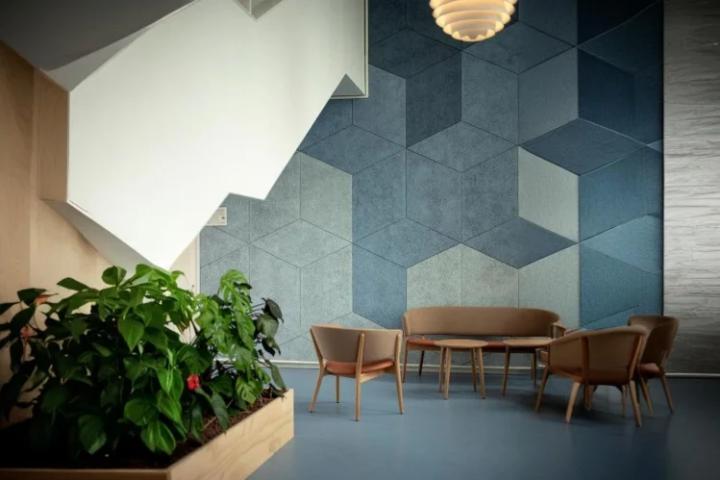
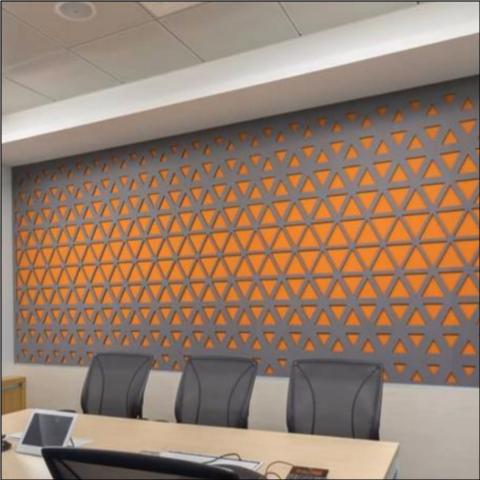
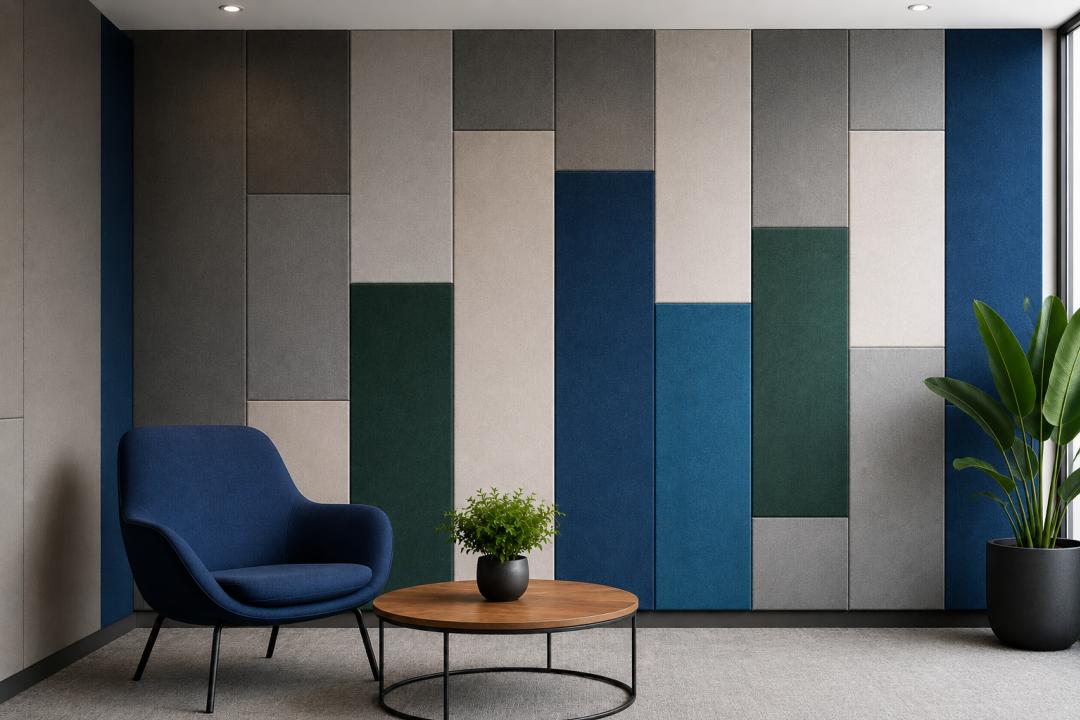
A lot of interior products come and go with trends. Bold patterns that feel dated within a few years. Colors that scream a specific decade the moment you see them. PET acoustic panels have managed to avoid this trap surprisingly well. This is largely because of how flexible the material is to work with.
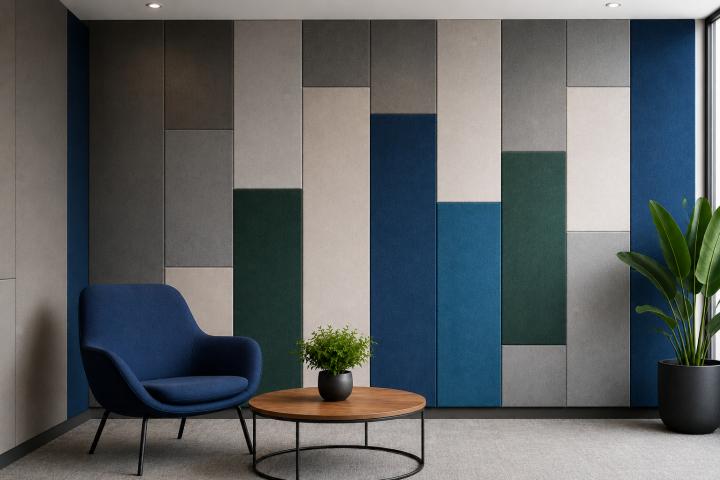
Designers can cut PET polyester acoustic panels into a lot of shapes. This can mean geometric shapes, waves, honeycombs, or clean minimal lines. Mostly, this can mean >
This is exactly the kind of design longevity that lets something transition from trendy to timeless. This is really the whole point of anything aspiring to heirloom status.
Functional Value that Doesn't Fade
Heirlooms aren't just sentimental, they're usually still useful decades later. A well made chair still gets sat in. A quality clock still keeps time. This functional continuity matters just as much as sentimental value, and it's where acoustic PET panels genuinely shine.
Unlike decorative pieces that lose relevance once a trend passes, these panels keep doing their actual job, absorbing sound, improving a room's comfort, making conversations easier to hear, for as long as they're installed. That ongoing usefulness is a big part of what separates a true heirloom from something that's simply nostalgic clutter.
Read to know more about PET panels here: What Designers don’t Tell You about PET Acoustic Solutions?
A Material Tied to a Bigger Cultural Shift
There's another layer worth considering here. Heirlooms often reflect the values of the era that created them. Old furniture reflected craftsmanship and scarcity. PET acoustic panels reflect something very of this moment, environmental consciousness, circular material use, and design that doesn't sacrifice sustainability for >
Future generations might look back at materials like this the way we now look at handcrafted furniture from decades past, not as identical objects, but as artifacts representing what mattered to the people who made and chose them. A polyester acoustic board on someone's wall today says something about the values of this design era, much like a hand carved piece said something about earlier ones.
The Emotional Angle Might Actually Work
This is where things get a bit more personal. People increasingly want their homes and workspaces to reflect intentional choices, not just whatever's trending on social media that month. Choosing a material with a genuine story, one tied to recycling, longevity, and thoughtful design, adds a layer of meaning that plain, mass produced materials often lack.
That emotional connection, choosing something because of what it represents, not just what it looks like, is honestly a lot closer to how people talk about heirlooms than people initially assume. It's not about age yet. It's about the values baked into the choice from the very beginning.
Where this Idea Actually Plays Out
Long term homeowners: Investing in materials meant to last through multiple design refreshes.
Sustainability focused designers: Choosing materials with a meaningful environmental story behind them.
Commercial spaces built for longevity: Wanting acoustic solutions that won't need replacing every few years.
Design conscious renovators: Preferring timeless patterns over trend driven, short lived choices.
Institutions and legacy brands: Wanting materials that age well both physically and visually over time.
Each of these groups reflects a slightly different version of the same underlying idea, choosing something meant to genuinely last, not just perform well today.
So, Can it actually become an Heirloom?
Maybe not in the traditional sense of being passed down explicitly from one generation to the next inside a family. However, in every other meaningful way, with regard to durability, timeless design, functional relevance, and a genuinely compelling material story, PET acoustic panels are quietly building the kind of legacy. Especially the ones of which heirloom pieces are made of.
It's a modern definition of the word. It is shaped by sustainability and reinvention rather than inheritance in the traditional sense. And honestly, that feels like a fitting evolution for how we think about lasting value today.
Ready to Choose Materials Built to Last?
Talk to Tranquil Global about PET acoustic panels designed for genuine longevity and timeless appeal. From acoustic PET panels to custom polyester acoustic board patterns, we help you choose materials worth keeping around for years to come.
FAQs
1. Are PET acoustic panels actually durable enough to last decades?
Yes. They resist moisture, don't sag, and hold their shape and color far better than many foam based alternatives, making long term use realistic.
2. What makes PET polyester acoustic panels different from regular foam panels?
They're made from recycled plastic, offer better durability, and hold their acoustic performance much longer without degrading or discoloring over time.
3. Do these panels fit modern design trends or just older >
They actually work well across both. Their neutral texture and flexible cutting options let them fit minimal modern spaces as well as more classic designs.
4. Is a polyester acoustic board a sustainable choice for interiors?
Generally yes, since it repurposes recycled plastic material, giving it a genuine environmental story alongside its functional acoustic benefits.
5. Can acoustic PET panels work in both homes and commercial spaces?
Yes. Their durability and design flexibility make them suitable for offices, cafes, homes, and other spaces needing long term acoustic performance.
6. Why compare PET panels to heirloom pieces at all?
The comparison focuses on longevity, meaningful material stories, and lasting relevance, qualities traditionally associated with heirlooms, not literal generational inheritance.