Introduction
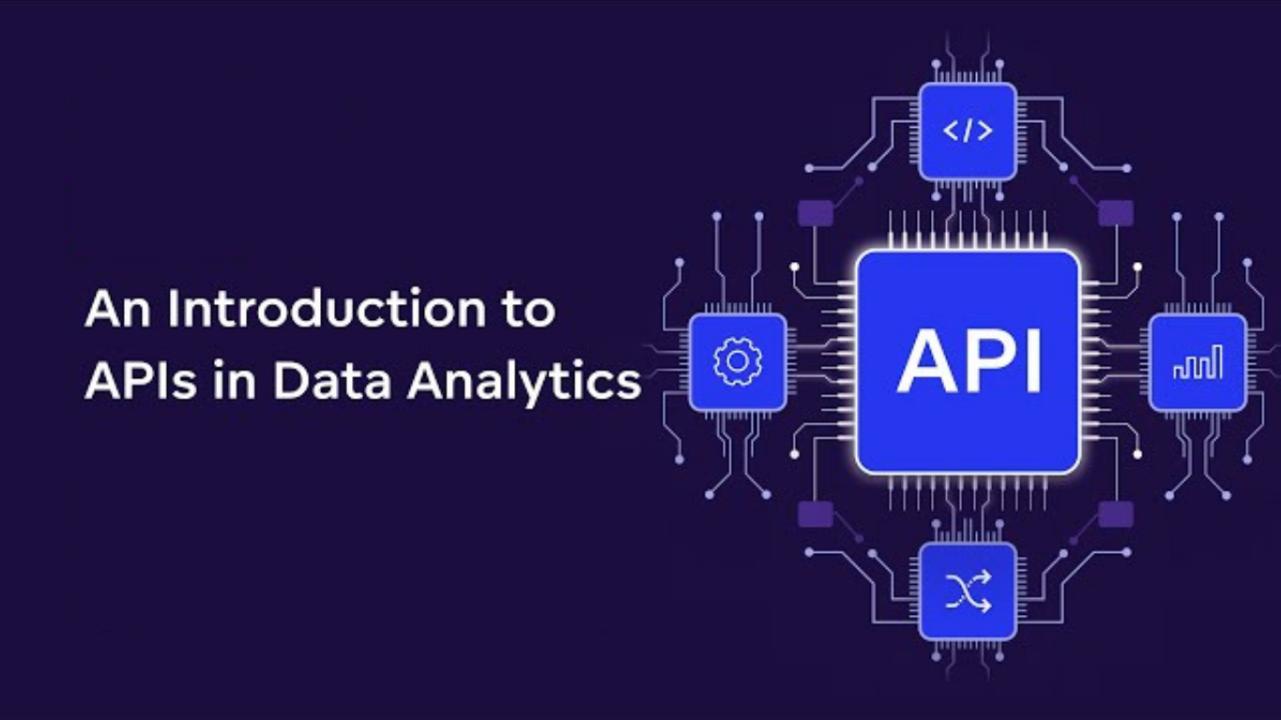
Imagine you open your favorite ride-sharing app. You check the estimated fare, track the driver’s location, and see the trip summary in real time. Ever wondered how all that information flows seamlessly from one system to another? The answer lies in APIs, the invisible bridges that connect data sources, analytical platforms, and end-user applications.
In today’s digital world, APIs (Application Programming Interfaces) have become essential in almost every data-driven business. Whether you’re pursuing a Google data analytics certification, exploring an online data analytics certificate, or preparing for a data analytics certification, understanding APIs will help you stand out as a skilled analyst ready to work with live data, build integrations, and deliver faster insights.
This guide will explore what APIs are, why they matter in data analytics, and how you can leverage them for effective, industry-relevant solutions.
What is an API? A Clear Explanation
Before diving deeper, let’s first define an API in simple terms.
An API is a set of rules that allow different software systems to communicate with each other. Think of it as a waiter in a restaurant. You (the client) place an order (a request), the waiter (the API) carries it to the kitchen (the server), and then brings back your meal (the response).
Here’s a basic example of how APIs work in practice:
You access a weather app to check the forecast.
The app sends a request to a weather data provider via API.
The provider returns the requested weather data in a structured format (usually JSON or XML).
The app displays the information to you.
This flow is the foundation of countless data analytics processes.
The Role of APIs in Data Analytics
APIs play a critical role in data analytics pipelines. They help analysts:
Extract Data from multiple sources (websites, databases, CRM systems, IoT devices).
Transform and Clean Data as it arrives.
Load Data into storage systems or visualization tools.
Together, these steps are commonly known as ETL (Extract, Transform, Load), and APIs are essential in every phase.
1. Data Extraction with APIs
Data extraction is often the first hurdle in analytics. APIs simplify this process by providing reliable, structured access to data.
Example:
A retail business wants to analyze customer reviews from social media. Instead of manually copying and pasting reviews, analysts can connect to social media platforms’ APIs (like Twitter or Facebook Graph API) and programmatically pull all relevant data.
Benefits:
Real-time data access.
Automated data collection.
Scalability when dealing with large datasets.
2. Data Transformation and Cleaning via APIs
Raw data rarely comes ready for analysis. It usually requires cleaning, filtering, and reshaping.
APIs can facilitate transformation in several ways:
Data Enrichment APIs: Enhance datasets by adding new fields. For example, geocoding APIs can attach latitude and longitude to customer addresses.
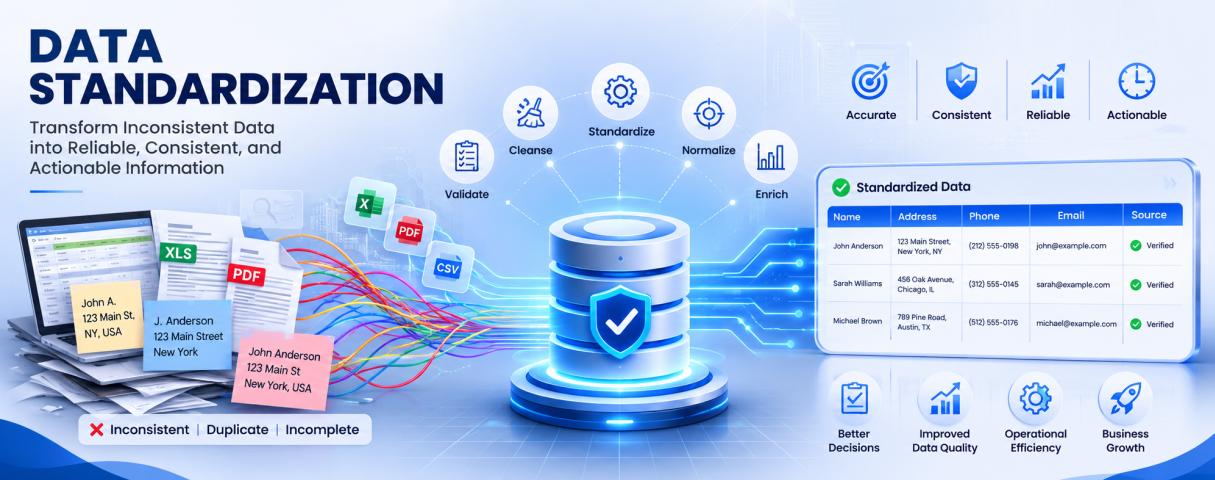
Data Standardization APIs: Convert inconsistent formats into standardized formats, like date formats or currency conversions.
Data Validation APIs: Check data accuracy and integrity before storing it.
Example:
An e-commerce company uses a currency conversion API to translate all sales figures into USD, making global sales analytics more meaningful.
3. Data Loading and Integration via APIs
Once data is cleaned, it needs to be stored in databases, warehouses, or visualization tools.
APIs make this possible by:
Sending data to cloud storage solutions like Google BigQuery or Amazon S3.
Connecting analytics tools like Tableau or Power BI.
Integrating insights back into business applications.
Example:
A marketing team exports campaign performance metrics into Google Sheets via an API, allowing non-technical stakeholders to monitor results without needing direct access to the data warehouse.
Why APIs Are Crucial for Modern Data Analysts
If you aim to earn a Google data analytics certification or any Data analytics certificate online, you’ll notice that APIs are everywhere in case studies, assignments, and real-world use cases. They matter for four reasons:
Speed and Automation:
APIs reduce manual work by automating data collection and updates. For example, you can schedule an API to pull new sales data every night.Accuracy and Consistency:
Since APIs provide data directly from the source, there is less risk of transcription errors.Scalability:
APIs handle large volumes of data without the need for complex manual workflows.Integration with Modern Tools:
Popular analytics platforms rely on APIs for seamless connections. Whether you work with Python, R, or BI dashboards, APIs are the glue that binds everything together.
Real-World Use Cases of APIs in Data Analytics
Let’s look at practical scenarios that show the transformative power of APIs.
Use Case 1: Financial Analytics
Problem:
A financial analyst wants to track daily currency exchange rates and market indices.
Solution:
Use the Exchange Rates API to fetch live FX rates.
Store the rates in a database.
Visualize trends in Power BI.
Impact:
The team can respond faster to market movements, improving investment decisions.
Use Case 2: Marketing Campaign Performance
Problem:
A marketing team runs campaigns on Google Ads and Facebook Ads. Data is spread across multiple platforms.
Solution:
Connect to the Google Ads API and Facebook Graph API.
Consolidate campaign metrics (impressions, clicks, conversions) into a unified dataset.
Generate automated weekly reports.
Impact:
This approach saves hours of manual reporting and ensures all stakeholders have the latest performance data.
Use Case 3: Healthcare Data Integration
Problem:
A hospital needs to integrate patient data from electronic medical records (EMR) with lab results.
Solution:
Use APIs provided by EMR systems (like Epic or Cerner) to pull patient demographics and history.
Use lab system APIs to pull lab test results.
Merge both datasets for clinical analytics.
Impact:
Clinicians access a complete view of patient health, improving care decisions.
A Step-by-Step Guide: How to Use an API in Data Analytics
Here’s a simple workflow to help you start using APIs in your projects.
Step 1: Find the Right API
Identify the source that offers the data you need. This could be:
Public APIs (e.g., weather, social media).
Private APIs (company-specific).
Paid APIs (financial data providers).
Tip: When evaluating APIs, check:
Authentication requirements (API keys, OAuth).
Rate limits (how many requests you can make).
Data formats (JSON, XML).
Step 2: Request API Access
Sign up for an API key or credentials. Most providers have a developer portal where you register and generate keys.
Example:
Google’s API Console provides credentials to access Google Analytics, Sheets, or Ads APIs.
Step 3: Make API Calls
Use tools or programming languages to make API requests.
Python Example:
python
import requests
url = "https://api.example.com/data"
headers = {"Authorization": "Bearer YOUR_API_KEY"}
response = requests.get(url, headers=headers)
if response.status_code == 200:
data = response.json()
print(data)
else:
print("Error:", response.status_code)
This snippet retrieves data in JSON format, which you can then clean and analyze.
Step 4: Store and Process the Data
Once you receive the response:
Parse JSON or XML.
Transform and clean data as needed.
Store it in your analytics database or data warehouse.
Step 5: Analyze and Visualize
After storing the data, you can:
Load it into BI tools.
Build dashboards.
Train machine learning models.
APIs and Data Analytics Certifications
If you’re working towards a Google data analytics certification, online data analytics certificate, or any data analytics certification, you’ll find that API skills are increasingly required. Employers expect analysts to be able to:
Automate data collection.
Integrate diverse data sources.
Build repeatable workflows.
A 2024 survey by Burtch Works revealed that 65% of analytics job postings list API knowledge as a preferred skill. Whether you’re aspiring to work in finance, healthcare, or retail, API fluency gives you an edge.
How APIs Fit Into Your Data Analytics Learning Path
Here’s how you can build API skills during your training:
Beginner Stage: Learn basic HTTP concepts (GET, POST, PUT, DELETE).
Intermediate Stage: Practice connecting to public APIs using Python or R.
Advanced Stage: Integrate multiple APIs into a single pipeline, handle authentication, and schedule automated workflows.
This progression aligns with most structured courses, including the Google data analytics certification curriculum.
Challenges of Using APIs in Data Analytics
While APIs are powerful, they come with challenges:
Rate Limits: Some APIs restrict how many requests you can make per hour or day.
Authentication Complexity: Managing tokens and keys securely can be tricky.
Data Changes: API providers may update endpoints or data formats.
Latency: Network delays can slow down data retrieval.
The best way to mitigate these issues is through robust error handling and clear documentation of your workflows.
Future Trends: APIs and the Evolution of Data Analytics
APIs will continue to play a pivotal role as data ecosystems grow more interconnected. Emerging trends include:
API-Driven Machine Learning: Real-time model training using streaming data.
Serverless Architectures: Functions that automatically trigger when new API data arrives.
Open Data Initiatives: Governments and organizations releasing datasets via public APIs.
By understanding APIs today, you future-proof your skills for tomorrow’s data landscape.
Conclusion: APIs Empower Data Analysts to Deliver Better Insights
APIs are not just technical tools they are enablers of faster, smarter decisions. As you work toward your Google data analytics certification, online data analytics certificate, or any Data Analytics certification, take time to practice connecting APIs to your analytics workflows.
They will help you:
Save time.
Increase data accuracy.
Scale your analytics.
Integrate insights across your organization.
Ready to start? Embrace APIs today and unlock the full potential of data analytics.
Advance your skills with a data analytics certification and learn to master APIs for modern data insights. Start your learning journey today!