
In today’s data-driven world, companies are swimming in an ocean of information. Yet, without the right tools and infrastructure, that data remains untapped potential. That’s where Data Engineering Service comes into play. Whether he is an analyst, she is a data scientist, or it is a machine learning model waiting to be trained, they all rely on clean, structured, and accessible data.
The importance of Cloud Computing Services and Data Integration Services has skyrocketed, as they form the backbone of how organizations manage, process, and store information. This blog delves deep into what Data Engineering Service entails, how it functions, its importance, and the tools and roles that make it happen.
What Is Data Engineering?
Data Engineering refers to the process of designing, building, and managing data pipelines and infrastructure that collect, store, and transform raw data into usable formats. It ensures that data is accurate, accessible, and structured for analysis and business decision-making.
A well-implemented Data Engineering Service sets the stage for successful analytics, machine learning, and operational intelligence. Whether the data is sourced from IoT sensors, CRM systems, or financial transactions, it’s the data engineer who lays the groundwork.
How Does Data Engineering Work?
At its core, Data Engineering involves several key stages:
Data Collection
Data engineers gather data from various internal and external sources. APIs, databases, data lakes, and log files are common input points.
Data Cleaning and Transformation
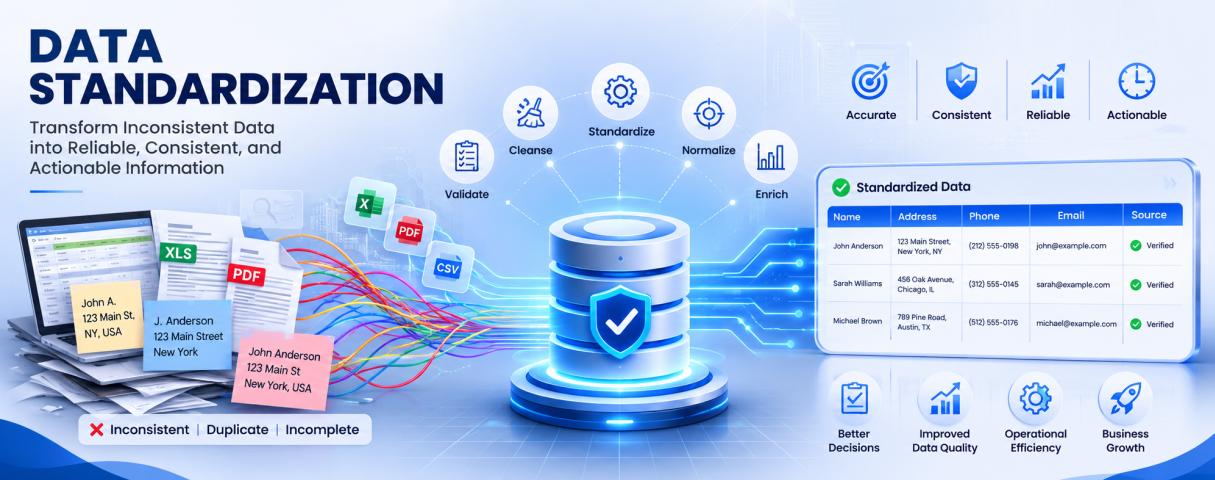
The raw data often contains errors, duplicates, and inconsistencies. Engineers apply rules to clean and normalize the data.
Data Storage
Depending on the volume and nature of the data, storage solutions can range from traditional relational databases to scalable Cloud Computing Services like AWS, Google Cloud, or Azure.
Data Pipeline Management
Pipelines automate the flow of data from source to destination. ETL (Extract, Transform, Load) processes ensure that data is always up-to-date and available.
Monitoring and Optimization
They use monitoring tools to ensure reliability, scalability, and performance. Bottlenecks are identified and optimized continuously.
Data Engineering vs. Data Science vs. Data Analysis: Key Differences
Data Engineer
Focuses on building infrastructure and pipelines to collect and store data.
Data Scientist
Creates machine learning models and algorithms using structured data.
Data Analyst
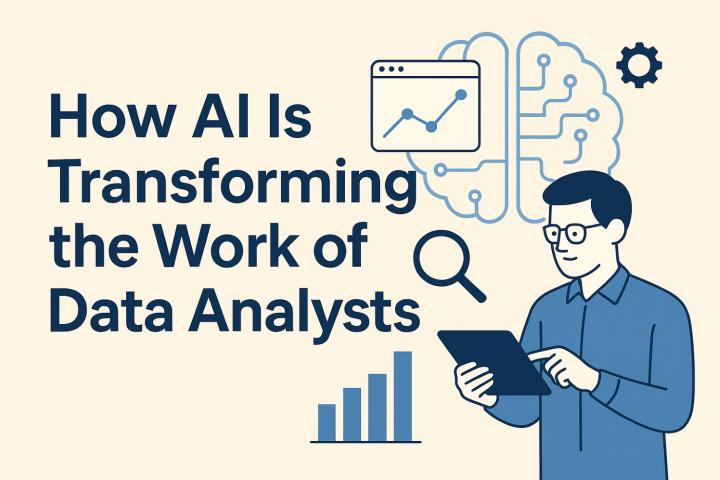
Examines datasets to derive insights and create reports.
| Role | Primary Focus | Tools Used |
| Data Engineer | Infrastructure & Pipelines | Apache Spark, Airflow, Hadoop |
| Data Scientist | Algorithms & Modeling | Python, R, TensorFlow |
| Data Analyst | Insights & Visualization | Excel, Tableau, Power BI |
Common Data Engineering Tools and Technology
Apache Hadoop
Distributed storage and processing.
Apache Spark
Fast processing engine for large-scale data.
Airflow
Workflow orchestration for pipeline automation.
Kafka
Real-time data streaming.
Snowflake & BigQuery
Cloud-native data warehousing solutions.
The Role of a Data Engineer in Helping Organizations
He or she is often the unsung hero behind successful data strategies. They:
- Ensure data availability and reliability.
- Build real-time and batch data pipelines.
- Enable compliance and governance.
- Facilitate cross-departmental collaboration via Data Integration Services.
- Empower data scientists and analysts with clean data.
They are instrumental in leveraging Cloud Computing Services to create scalable and cost-efficient architectures.
Essential Skills and Qualifications for Data Engineers
- Proficiency in Python, SQL, and Java
- Experience with ETL tools
- Familiarity with Cloud Computing Services
- Knowledge of data warehousing concepts
- Strong problem-solving skills
- Understanding of distributed computing systems
- Ability to implement Data Integration Services
Why Data Engineering Is Essential for Businesses
- Faster Decision Making: Clean and structured data leads to more accurate insights.
- Scalability: They help businesses scale data operations without hitting performance ceilings.
- Cost Optimization: Efficient data pipelines reduce storage and compute costs.
- Enhanced Collaboration: With integrated data, teams across departments can work together more effectively.
- Improved Customer Experience: Real-time data allows for personalized services and better support.
Key Takeaways
- Data Engineering Service is foundational for any data-driven organization.
- It involves building data pipelines, managing storage, and ensuring data quality.
- Cloud Computing Services and Data Integration Services are tightly integrated with data engineering.
- It differs from data science and analytics but is complementary to both.
- The right tools and skills can transform raw data into actionable business insights.
Conclusion
As we move into a more connected, AI-powered future, the value of data will only increase. But raw data alone holds no value unless it’s cleaned, structured, and made accessible. That’s where Data Engineering Service makes all the difference. Whether he is designing a new pipeline, she is managing a cloud-based warehouse, or they are implementing real-time analytics, data engineers are the architects of modern data strategy.
For companies seeking to stay competitive, adopting reliable Cloud Computing Services and robust Data Integration Services through expert data engineering isn’t optional—it’s essential.
FAQs
What is a Data Engineering Service?
It refers to the design, construction, and maintenance of systems that collect, store, and process data for analytics and operations.
How do Cloud Computing Services relate to Data Engineering?
They offer scalable and flexible storage and processing power, making them ideal for large-scale data engineering tasks.
What is the difference between Data Engineering and Data Science?
Data engineers build the infrastructure; data scientists use that infrastructure to analyze and model the data.