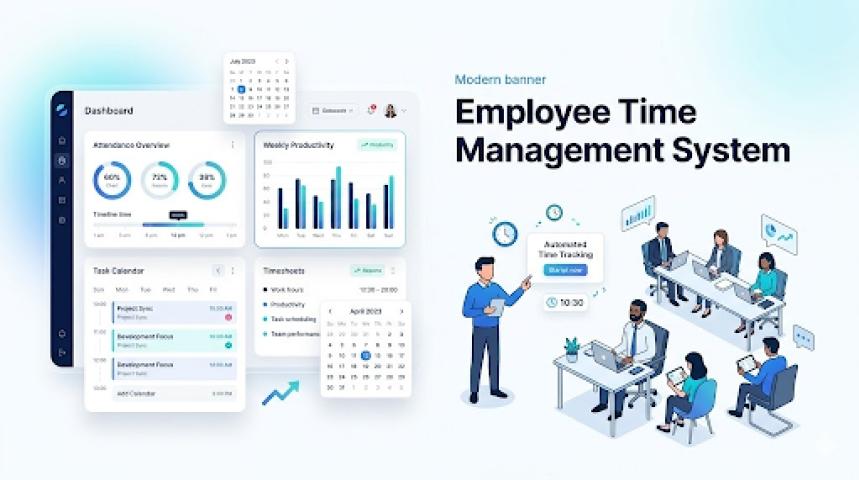
Managing lease agreements can quickly become a complicated task, especially for businesses handling multiple properties. From juggling payment schedules to tracking contract renewals, every step demands precision. This is where Lease Management Software steps in — simplifying operations, reducing errors, and saving time. In this blog, we explore how modern lease management software is reshaping the way property managers operate.
Understanding Lease Management Software
Lease Management Software is a digital tool designed to help property owners and managers organize, monitor, and manage their leases effectively. It streamlines the entire lease lifecycle, offering a centralized system for document management, rent collection, reporting, and tenant communication. By using this software, businesses can shift from reactive management to proactive control over their rental assets.
Core Problems Faced Without Lease Management Tools
Property managers and landlords using outdated methods often face these common challenges:
-
Manual tracking leading to errors
-
Missed renewal or expiry dates
-
Slow rent collection process
-
No visibility into lease performance
-
Difficulty handling lease modifications
These issues can snowball into lost revenue, legal complications, and tenant dissatisfaction.
Key Benefits of Lease Management Software
1. Accurate Payment Tracking
The software keeps you updated on rent dues, escalations, and deposits, reducing payment disputes and improving cash flow.
2. Reduced Administrative Work
Automation replaces repetitive manual tasks like reminders, invoicing, and rent adjustments, allowing teams to focus on more strategic tasks.
3. Timely Alerts and Notifications
Get automatic alerts for lease renewals, inspections, rent increases, and terminations, ensuring nothing slips through the cracks.
4. Complete Visibility
With dashboards and reports, managers get a clear picture of occupancy rates, revenue, and contract statuses at a glance.
5. Easy Document Retrieval
Lease agreements and associated files are stored digitally and can be accessed instantly from any device.
Essential Features to Look for in Lease Management Software
Choosing the right software depends on understanding what features offer the most value:
Cloud Access
Enable access to lease data from any location, ideal for teams managing properties remotely.
Mobile-Friendly Interface
Mobile apps or responsive design ensures on-the-go lease tracking and updates.
Custom Reporting
Build tailored reports to track KPIs like rent collection, late payments, and renewal rates.
Automated Workflows
From lease renewals to late fee calculation, automation helps save time and reduce human error.
Multi-Property Support
Manage residential, commercial, and industrial leases within a single platform.
Top Industries Benefiting from Lease Management Software
Lease management software serves a wide range of industries, including:
-
Residential Property Owners
Easily manage multiple units and tenants. -
Commercial Property Managers
Track complex lease structures, escalations, and common area maintenance (CAM) charges. -
Retail Chains
Oversee multiple leased locations, handle rent increases, and track lease expirations centrally. -
Coworking Spaces
Handle flexible lease terms, memberships, and dynamic billing cycles effortlessly. -
Corporate Real Estate Teams
Monitor office leases, manage assets across regions, and maintain regulatory compliance.
Steps to Get Started with Lease Management Software
1. Evaluate Your Needs
Start by auditing your current lease management process and identifying key pain points.
2. Research Software Options
Shortlist lease management tools that cater to your industry, budget, and business size.
3. Request a Demo
Always take a product demo to understand user experience, support options, and available integrations.
4. Train Your Team
Invest in initial training so your team can fully utilize the software’s capabilities from day one.
5. Migrate Data Carefully
Ensure a smooth transition of existing lease records to avoid data loss during onboarding.
Recommended Lease Management Software in 2025
Here are some leading options to explore:
-
Property Automate – Intuitive dashboards, powerful automation, and detailed reporting.
-
Leasecake – Simplifies lease tracking with user-friendly mobile access.
-
Yardi Voyager – Ideal for enterprises looking for integrated property and lease management.
-
Visual Lease – Focuses on lease accounting compliance and flexible reporting.
-
ProLease – Comprehensive solution for real estate and equipment lease management.
The Role of AI in Modern Lease Management
Artificial Intelligence (AI) is increasingly integrated into lease management platforms, offering advanced capabilities like:
-
Predictive Analysis
AI can forecast future occupancy rates and rent trends. -
Automated Data Extraction
Extract data directly from scanned documents, reducing manual input. -
Smart Notifications
AI-driven systems learn from user behavior and send proactive alerts. -
Compliance Monitoring
Stay updated with local real estate laws through AI-assisted compliance tracking.
The Long-Term Impact of Lease Management Software
Financial Accuracy
With streamlined accounting, businesses can ensure financial accuracy and improved reporting.
Improved Tenant Relations
Automation ensures timely invoicing and clear communication, enhancing tenant satisfaction.
Regulatory Compliance
Stay audit-ready with complete documentation and adherence to lease accounting standards.
Growth Readiness
Scalable software solutions grow alongside your business, allowing you to handle increasing lease volumes without additional manpower.
Final Thoughts
The adoption of Lease Management Software is no longer a luxury — it’s a necessity for modern property managers and businesses. Whether you’re handling residential rentals or complex corporate leases, this technology brings transparency, efficiency, and control. Investing in the right solution today can transform your leasing process, cut costs, and help you achieve sustainable business growth.