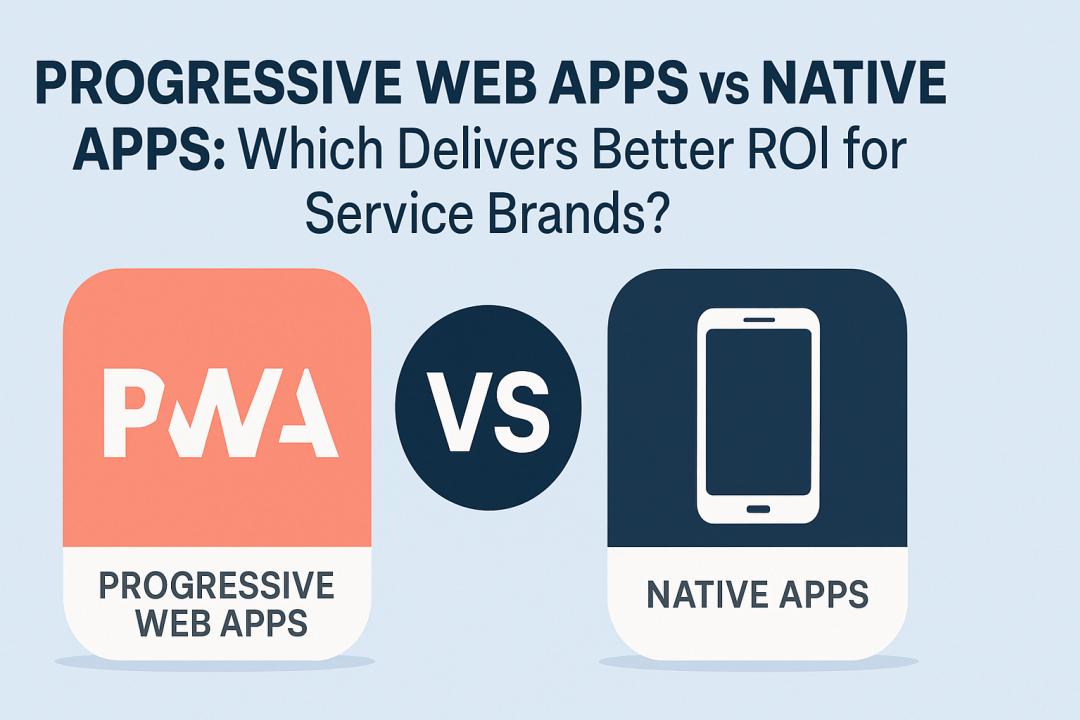
As mobile becomes the first touchpoint for customers, service brands face a pivotal decision: Should you build a Progressive Web App (PWA) or a native app? Each offers different paths to reach, engage, and retain mobile-first consumers. The right choice can impact everything from acquisition cost to lifetime value and margins. This post explores how each approach stacks up for service brands seeking measurable ROI.
What's the Difference?
- Native Apps are built specifically for iOS or Android, requiring download from an app store. They access all device features, offer full offline support, and deliver the most seamless user experience.
- Progressive Web Apps (PWAs) are enhanced web applications that provide app-like experiences via the browser. Users can "install" them to their home screen, but there's no download barrier or app store approval required.
Development Cost & Time to Market
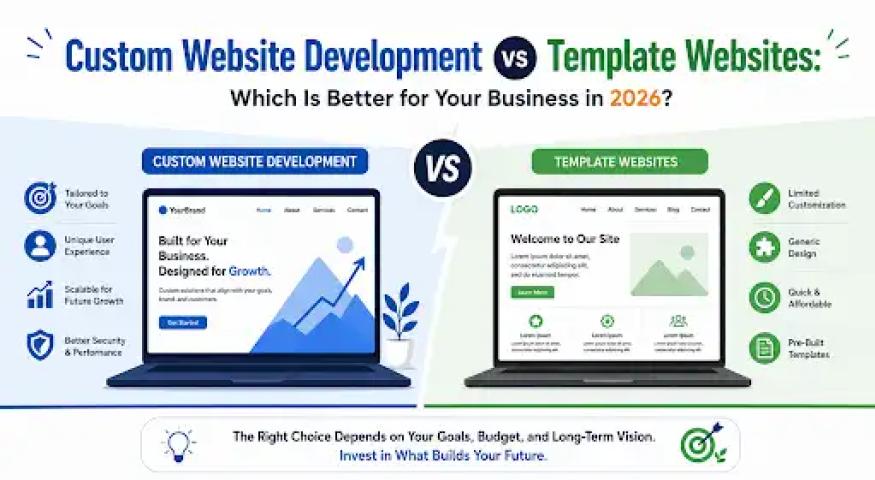
Factor | Progressive Web App | Native App |
| Codebase | Single (works on all platforms) | Separate for iOS, Android (or use cross-platform tools) |
| Initial Development Cost | 50–70% less than native apps | 3–4x higher than PWA for two platforms |
| Ongoing Maintenance | Updates deploy instantly to all users | Frequent updates, app store review required per platform |
| Time to Market | Fastest (one project, one deployment) | Slower (each platform plus approval) |
User Acquisition & Engagement
- PWAs are more discoverable. Prospects find them via search, social, or link; no download required. This reduces acquisition friction and increases conversion rates, with some studies reporting up to 36% higher conversions and 180% better retention compared to native apps.
- Native apps benefit from app store visibility and long-term engagement. Customers who install and retain a native app are more likely to remain highly engaged and loyal, partly due to robust push notifications and deeper device integration.
Performance & Customer Experience
- Native apps win on sheer speed, responsiveness, and access to device capabilities (camera, GPS, offline support, etc.), providing a seamless and immersive experience. This can be critical for brands where in-depth engagement or complex tasks are the norm, such as financial services or on-demand logistics.
- PWAs have substantially closed the performance gap for most use cases. Modern PWAs load quickly, support offline usage, and can send push notifications (with some platform limitations). However, under intensive usage scenarios (e.g., gaming, high-frequency transactions), native apps maintain an edge.
ROI & Business Impact
Why Service Brands Choose PWAs
- Cost-efficient scaling: Build once, reach all mobile platforms, ideal for brands with limited resources or those entering new markets quickly.
- Higher acquisition and conversion rates: Lower user friction translates into more leads and transactions. Studies cite 17%+ uplifts in conversions and a 52% average boost for PWA implementations.
- Less abandonment: Users can try services instantly via the web, removing the app download barrier, a friction point that leads to app store drop-off.
When Native Wins
- Higher customer lifetime value (LTV): Native apps tend to drive better engagement and retention, translating into higher ARPU for categories with repeat usage, such as ride-hailing or loyalty-driven retail.
- Monetization options: In-app purchase frameworks, mobile wallets, and loyalty integration are often smoother natively.
- Brand depth: Deep device integration and smoother interactions mean higher perceived quality, which is essential for top-tier service brands.
Case Studies & Examples
- Lancôme PWA: Achieved a 17% increase in overall conversions after shifting focus from native to PWA.
- Debenhams PWA: Saw mobile revenue rise by 40%.
- Starbucks PWA: Doubled daily active users, with loyalty integration and offline support driving repeat use.
Key Takeaways for Decision Makers
- PWAs offer the fastest, most cost-effective path to a broad mobile audience, making them the optimal starting point for most service brands seeking initial reach and conversion.
- Native apps justify their higher investment when deep engagement, retention, and advanced capabilities are essential to capturing long-term value in competitive niches.
- Hybrid Strategies: Some high-growth brands combine both: use a PWA for broad reach and a native app for super-users and loyalty programs.
Closing Recommendation
For service brands that need to prove ROI, launching with a PWA delivers rapid, measurable returns through lower costs, seamless updates, and higher acquisition rates. As your user base matures, investing in a native app can further accelerate engagement and brand loyalty, turning short-term wins into sustainable growth.