
Python remains one of the most popular programming languages worldwide, powering AI solutions, automation tools, SaaS platforms, and API-driven applications. However, as its adoption grows, so does the risk of security vulnerabilities. By 2026, businesses are not just managing larger applications—they’re handling more data, integrating with multiple systems, and facing increased exposure to cyber threats. That’s why Python security is no longer an optional step, It’s a critical part of the development process from day one.
Whether a company builds software internally or works with a Python web development company, protecting code, data, and third-party libraries has become essential. Even minor oversights can lead to serious issues, such as code injection, exposed secrets, or unauthorized access. Ensuring security isn’t an afterthought—it’s a necessity.
Understanding Modern Threats in Python Applications
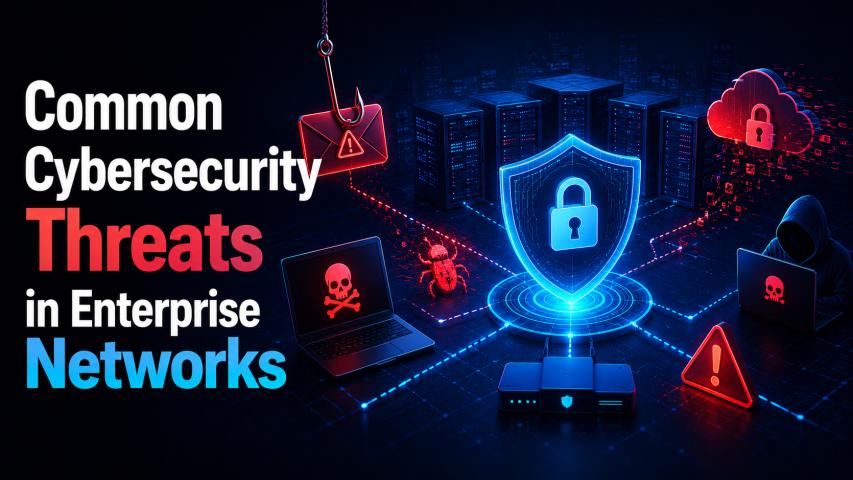
The security landscape for Python has evolved. Attackers are no longer targeting just application logic. They’re exploiting package managers, public repositories, API keys embedded in code, vulnerable libraries, and misconfigured cloud services.
Some of the most common Python security risks in 2026 include:
- Supply-chain attacks via compromised PyPI packages
- Exploitation of unsecured API endpoints
- Unsafe deserialization of data
- Secrets exposed in Git repositories
- Weak authentication and authorization flows
- Outdated dependencies with known vulnerabilities
Given these threats, implementing strong Python security practices is essential for any business using Python.
Top Python Security Practices for Businesses
1. Keep Python and Dependencies Up to Date
Running outdated versions of Python or third-party packages is a major risk. Many recent breaches could have been prevented with timely updates. Regularly checking for updates, deprecations, and high-severity CVEs is a simple but effective first step.
2. Use Virtual Environments
Virtual environments like venv, pipenv, and poetry isolate project dependencies, preventing conflicts and reducing the risk of vulnerabilities spreading between projects.
3. Follow Secure Coding Standards
Adopt both OWASP guidelines and Python-specific best practices. Avoid hard-coded values, limit unsafe functions, and prevent injection attacks. Writing predictable, testable code is a cornerstone of secure Python development.
4. Validate and Sanitize User Inputs
Treat all user input—from forms, API requests, or file uploads—as untrusted. Proper validation and sanitization defend against SQL injection, XSS, command injection, and other attacks. In 2026, ML-driven validation and schema-based checks are becoming standard to minimize human error.
5. Store Secrets Securely
Never store API keys, passwords, or access tokens in code repositories. Use environment variables or secure vaults like HashiCorp Vault, AWS Secrets Manager, or cloud-native secret storage solutions.
6. Implement Strong Authentication and Authorization
Frameworks like Django, Flask, and FastAPI support role-based access, JWT authentication, OAuth, and permission controls. Enforce least-privilege access and consider multi-factor authentication wherever possible.
7. Encrypt Data at Rest and in Transit
Encryption is mandatory. Use TLS for network communication and AES-based encryption for stored data. Popular Python libraries like cryptography and PyNaCl make this easier to implement.
8. Scan Dependencies and Detect Vulnerabilities
Automated tools such as Bandit, Safety, Snyk, and GitHub Advanced Security help identify known vulnerabilities. Integrating these tools into CI/CD pipelines ensures issues are detected before deployment.
9. Logging and Real-Time Monitoring
Effective logging allows businesses to detect unusual activity, such as failed logins or suspicious API calls. Integrating Python logs with SIEM tools provides real-time alerts for faster response.
10. Conduct Regular Code Reviews and Security Audits
Human oversight remains irreplaceable. Routine code reviews and periodic security audits ensure logic flaws and insecure patterns are caught early. Partnering with security-focused development teams can further strengthen Python security practices.
Industry Tools That Enhance Python Security
Some widely-used tools that help businesses maintain strong security include:
Bandit – Detects insecure code patterns
Safety – Identifies vulnerable packages
PyLint + Security Plugins – Improves code quality and security checks
HashiCorp Vault – Secure secret management
OpenTelemetry + SIEM tools – Monitoring and logging
Snyk / GitHub Security – Dependency scanning and vulnerability detection
These tools help teams maintain security without slowing down development.
Conclusion
As Python continues to drive AI applications, SaaS platforms, and automation workflows, its security requirements are more critical than ever. Organizations that prioritize security from the start by updating dependencies, validating inputs, securing secrets, and monitoring activity can stay ahead of threats. Businesses that make Python security a daily practice, rather than a last-minute effort, will build applications that are safe, reliable, and scalable in 2026 and beyond.