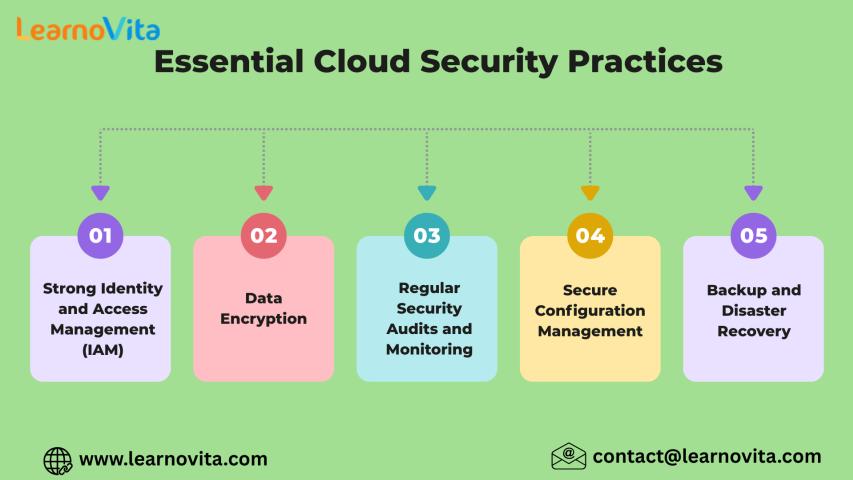

Cloud adoption is accelerating at a pace the world has never seen before. From startups to global enterprises, organizations are embracing cloud infrastructure to scale operations, cut costs, and increase agility. Yet, with this transformation comes a growing wave of cyber threats that traditional security models are no longer equipped to handle. That’s why integrating artificial intelligence (AI) into cloud security strategies is becoming a top priority for companies worldwide.
The Evolution of Cloud Security
Cloud computing started as a convenient way to store and access data remotely. Over time, it has become the backbone of digital transformation. Businesses now run mission-critical applications, store sensitive customer information, and manage their entire IT infrastructure in the cloud.
This evolution has expanded the attack surface significantly. Cybercriminals no longer target only on-premises systems—they exploit vulnerabilities across hybrid and multi-cloud environments. Legacy firewalls and perimeter defenses are no longer enough.
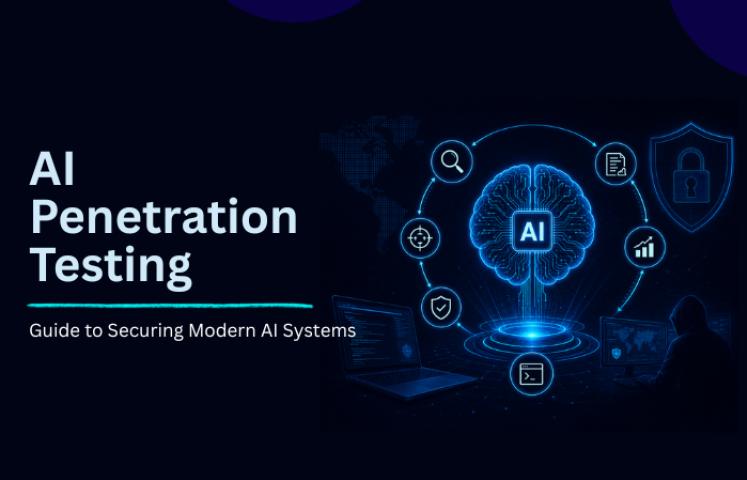
AI and machine learning are stepping in to revolutionize how organizations detect, respond to, and even predict cyber threats.
How AI Enhances Cloud Protection
1. Real-Time Threat Detection
AI-driven security systems continuously monitor cloud environments, analyzing user behavior, network traffic, and system logs. When anomalies are detected—such as unusual login attempts, data exfiltration patterns, or privilege escalations—the system can instantly trigger alerts or automated defenses. This reduces response time from hours to seconds.
2. Automated Incident Response
Human security teams can be overwhelmed by the volume of alerts. AI tools help by automatically identifying false positives and responding to real threats immediately. For example, if a compromised account attempts unauthorized access, AI can isolate that account, block the IP, and notify security teams—all without manual intervention.
3. Predictive Security Analytics
Machine learning models learn from previous attacks and continuously improve. Instead of reacting after a breach occurs, these systems predict potential vulnerabilities and strengthen defenses before attackers can exploit them. This proactive posture is crucial for industries handling sensitive data.
4. Zero Trust Architecture Integration
Modern cloud security strategies are built around zero trust principles—“never trust, always verify.” AI enhances zero trust frameworks by dynamically authenticating users, devices, and applications in real time. Every access request is evaluated, ensuring no blind spots remain.
Key Industries Driving AI-Powered Cloud Security
Financial Services: Banks and fintech companies invest heavily in secure cloud solutions to protect transactions and prevent fraud. AI monitors millions of data points to detect abnormal financial activity instantly.
Healthcare: Hospitals and medical providers store massive volumes of patient data in the cloud. AI helps maintain compliance with strict regulations like HIPAA while ensuring data integrity and confidentiality.
E-commerce: Online retailers rely on AI-enhanced cloud security to protect payment information, prevent account takeovers, and stop malicious bots from attacking their platforms.
Manufacturing & IoT: Industrial systems connected to the cloud are vulnerable to cyberattacks. AI helps secure IoT endpoints and ensures uninterrupted production.
Strategic Advantages for Businesses
Adopting AI-powered cloud security provides organizations with more than just protection:
Regulatory Compliance: Automated auditing and reporting help businesses meet complex data privacy regulations like GDPR and CCPA.
Customer Trust: A secure platform builds brand reputation and loyalty. Customers feel safer when their data is protected.
Cost Efficiency: Preventing breaches reduces legal costs, operational downtime, and financial losses associated with cyber incidents.
Scalability: AI solutions can grow with your business, adapting to increased traffic, new users, and evolving threats.
Emerging Technologies Shaping the Future of Cloud Security
The AI-cloud security landscape continues to evolve rapidly. New technologies are shaping the future of how data is protected:
Quantum-Resistant Encryption: Preparing for the post-quantum era by developing algorithms resistant to quantum attacks.
AI-Powered Identity and Access Management (IAM): Using behavioral biometrics and continuous authentication to secure user identities.
Secure Access Service Edge (SASE): Converging network and security functions into a unified cloud-native service, enhanced by AI.
Federated Learning: Allowing AI systems to learn across multiple organizations without sharing raw data—strengthening collective security.
Challenges and Considerations
While AI brings remarkable advantages, organizations must also address potential challenges:
Data Privacy Concerns: AI models require access to large datasets, which must be handled carefully to protect user privacy.
Implementation Costs: Advanced AI security tools can be expensive to deploy and maintain, especially for small and mid-sized businesses.
Skill Gaps: IT and security teams may need training to effectively manage and optimize AI-driven security systems.
Ethical Use of AI: Transparency and accountability are essential to avoid misuse of data and maintain trust.
Building a Future-Proof Security Strategy
Organizations seeking to future-proof their security strategies should:
Adopt a Zero Trust Framework: Treat every access request as a potential threat until verified.
Leverage AI and ML Tools: Automate detection, response, and prevention wherever possible.
Invest in Employee Training: Equip teams with skills to manage advanced security technologies.
Collaborate with Trusted Providers: Partner with cloud service providers that prioritize security and compliance.
Continuously Monitor and Update: Threat landscapes evolve quickly, and defenses must evolve too.
Conclusion: A New Era of Cloud Security
The combination of cloud computing and AI is ushering in a new era of cybersecurity. Organizations that act early—embracing zero trust models, predictive analytics, and automation—will not only stay ahead of attackers but also gain a significant competitive advantage.
Cyber threats are growing more complex, but so are our defenses. Investing in AI-powered cloud security isn’t just a smart move; it’s a strategic necessity for the digital economy of tomorrow.