
In the modern fast changing digital world, companies are not only threatened by the conventional physical safety. Cyberattacks, data breach, and operational discontinuities are becoming more complex and sophisticated and need organizations to be proactive and comprehensive in their approach to security. The concept of business security has ceased to be about reacting to events once they have taken place and it has become about predicting the potential threats, keeping watch and protecting each point of operation with a high level of accuracy.
The Contemporary Security Dilemmas.
The environment in which businesses are conducted today is multi-dimensional in terms of threats. They include the risks of cybersecurity, insider threats, industrial espionage and crisis of supply chains. These contemporary threats may result in direct monetary damage, negative publicity, and legal repercussions as opposed to conventional risks, which may never lead to financial losses, harm, and legal issues.
Companies that stick to the old security systems are usually caught up with the pace and sophistication of new attacks. It is no longer about the security of physical assets, it is about the security of the digital infrastructure, sensitive information, and customer trust all at the same time.
The Importance of Preemptive security.
Active security is focused on prevention rather than response. The businesses can reduce the threats to a business crisis by anticipating the risks and minimizing them through constant monitoring systems, risk mitigation solutions and threat anticipation.
Advanced monitoring, threat intelligence and automated response mechanisms are the principal components of proactive security. Having them, companies will be able to track suspicious activity in real time and mitigate it instantly and address the potentially expensive incidents.
Multi-Layered Multi-Layered security Architecture.
Multi-layered security plan is a means by which the businesses are secure in all possible attack points. This architecture encompasses the physical security, network security, endpoint protection/identity management, and data encryption.
To minimize the possibility of one weakness undermining an organization, various levels of protection are put in place. The security teams are able to deal with threats more effectively and have 24/7 visibility of critical operations because of the integrated solutions that tie these layers together.
Digital transformation: Cybersecurity.
The issue of cybersecurity has never been as critical as it is today as companies are eager to adopt the idea of cloud computing, remote working, and IoT devices. The networks, applications, and sensitive data require highly developed solutions, which can be extended with the expansion of the business.
The top tier security solutions approach combines the real-time monitoring, threat detection, and automatic incident response which is powered by AI. This will assist the businesses to identify the risks within a limited timeframe, minimize exposure and be resilient in business even when circumstances appear complex in the digital environment.
Threat Detection and Response Real-Time.
The contemporary business security requires real-time threat detection. Failure to detect the threats in time may result in loss of data, down time and financial losses. Using automated monitoring systems, organizations will be in a position to detect anomalies in real-time and be able to effectively respond.
Rapid response involves isolating systems that have been affected, mitigating breaches and investigating incidents in order to avert recurrence. Such a preventive strategy ensures a secure environment not only in terms of assets but also customer confidence and regulatory compliance.
Cloud Data Protection and Cloud Security.
Some of the new security threats, like information exposure, poorly configured systems, and unauthorized access, are associated with the use of clouds. Using good cloud security, important business information can be secured and at the same time, one can be flexible and scalable.
Encryption, access control, round-the-clock monitoring and using threat intelligence to secure cloud environments make cloud security possible. Businesses that consider cloud security important can pursue the digital transformation without violating their data integrity and regulatory rigidity.
Awareness and Insider Threat Prevention of employees.
Security can only be as strong as the individuals who are putting it into action. The employees are also still among the greatest sources of risk in terms of phishing, social engineering, and unintentional infractions.
The security programs are comprehensive in the form of training, awareness campaigns and simulated threat exercises. The ability to identify and act upon threats by empowering staff helps to reduce the insider risks and make sure that human factors do not undermine technical defenses.
Adherence and Regulatory Provisions.
There are stringent regulations in many industries such as GDPR, HIPAA and industry-specific cybersecurity standards. Lack of compliance may attract large fines, legal proceedings and a negative image.
Compliance must be integrated into the security plans to facilitate the ability of the businesses to comply with the law and still maintain confidential information. Compliance is made more efficient and easier by automated reporting, audit trails, and constant monitoring.
Physical Security in the Virtual World.
Physical security is a very vital aspect even in the presence of sophisticated security measures that are taken by cybersecurity. Illegal entry into premises, equipment theft, and infrastructure hacking can all lead to a breach of digital and operational security.
Physical security solutions (e.g. access control, biometric authentication, surveillance intertwining, etc.) are used nowadays and cooperate with digital security measures that ensure the full protection of any business setting.
Business Continuity and incident Response Planning.
No foolproof security structure exists. The organizations must be capable of responding to the potential breaches using an incident response and business continuity plan.
Identification of the most important assets, the response plans, role assignments and test planning are some of the important activities in effectual planning. The implementation of the advanced solutions and simulations will keep the team in a place that will react quickly and minimize the time and losses in case of an incident.
Innovative Technologies in the Security sector.
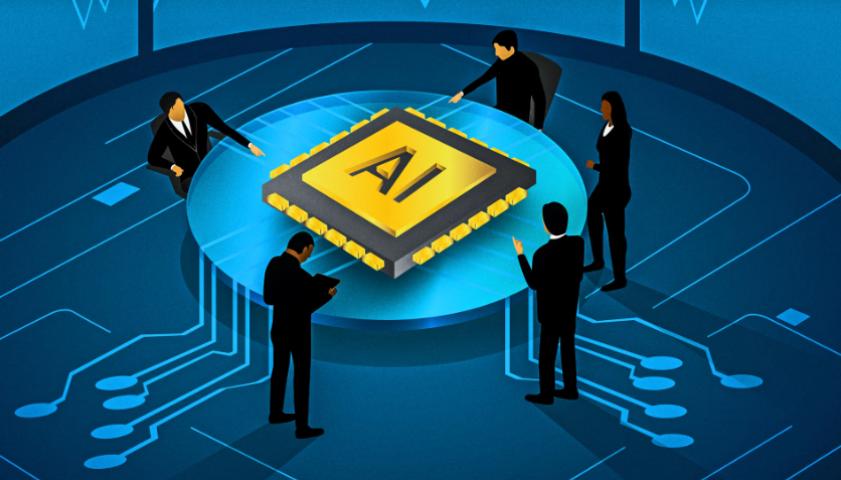
New technologies are changing the way business is securing its assets. Securing AI, machine learning, behavior analytics, and predictive threat modeling are added to the detection capabilities and automate the response to possible threats.
These technologies recognize trends that otherwise would not be noticed by the operators of the human analyzer by continually processing data acquired through multiple sources. Those businesses that successfully exploit these tools enjoy a competitive edge in ensuring secure business within an environment that is more and more complex and under threat.
Selecting The Appropriate Security Strategy.
Integrating the full security package may need expertise in the area. In collaboration with reliable vendors, gaining access to innovative tools, live monitoring, and professional advice is in place.
A leading provider of security solutions provides a set of integrated solutions, active threat intelligence, and tailor-made strategies that meet the business goals. Through such alliances, organizations are also able to concentrate on the growth without any weakening in security postures.
Reduction of Costs and Risks.
Investments in superior security can appear to be costly, however, the data breach, downtime, and damage to the reputation are much more expensive than the investment. Threat prevention will lower the risk of losing funds and disrupting operations and offer long-term savings.
This is because through the implementation of scalable and integrated security solutions, companies can safeguard key assets without straining their budgets.
Business Future Trends of security.
Business security will focus on predictive and adaptive in the future. There will always be a threat that will evolve and the systems will need to learn how to react by the use of the pattern, predict the attack and act on their own.
Combination of cybersecurity and physical security, AI, and cloud solutions will result in an integrated real-time protective network. Those organizations that adopt these trends will be hardened against the new risks.
Developing a Security-Centric Culture.
It is impossible to reduce risk without using technology. Companies should ensure the culture of security is developed in their organizations involving the executives and the frontline workers.
Best practices are supported by policies, awareness initiatives and continuous training to ensure that security concerns are integrated in any decision making. Advanced solutions are complemented by an organizational culture of vigilance that has developed an organization ready to face any threats either in the present or in the future.
Conclusion
The future of business security is in proactive, integrated and technology-oriented strategies. Through the adoption of the newest monitoring, AI-based threat detection, and the implementation of overall protection benefit strategies, organizations will reduce the risks, protect assets, and ensure a continuity of the operation.
The experience gained by the leading security solutions providers will help promote the businesses to meet new threats with vigor and sustainability. The proactive security approach will continue to play a critical role in safeguarding business processes and future success as threats are becoming more advanced.