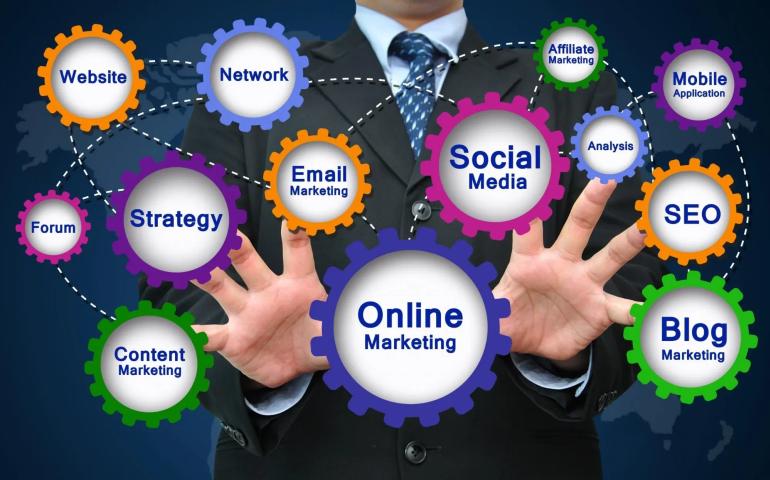

The dream of starting an online business is no longer just a trend; it is a global movement. Whether it’s the desire for financial freedom, the flexibility to work from anywhere, or the passion to turn a hobby into a career, the internet has levelled the playing field. However, beneath the "get-rich-quick" ads and the flashy success stories lies a reality that requires strategy, grit, and a deep understanding of the digital landscape.
In this guide, we will break down the mechanics of building a sustainable online business, from the initial spark of an idea to the complex world of scaling and automation.
The Mindset Shift: Business is Business, Even Online
Before we dive into tools and tactics, we must address the biggest misconception: that an online business is "easier" than a traditional one. While the overhead costs are lower (no rent, no physical utilities), the competition is global.
A successful digital entrepreneur doesn't just look for a product to sell; they look for a problem to solve. The human element of business—building trust, providing value, and understanding customer psychology—remains the same whether you are selling from a storefront in New York or a laptop in a coffee shop in Bali.
Identifying Your Niche: The "Sweet Spot"
The most common mistake beginners make is trying to sell everything to everyone. In the world of online business, "the riches are in the niches." You need to find the intersection of:
What you are good at: Your skills and expertise.
What you are passionate about: Something that keeps you going when sales are slow.
What the market wants: A group of people willing to spend money to solve a specific pain point.
Choosing the Right Online Business Model
There is no "one size fits all" model. Your choice depends on your budget, time, and long-term goals. Here are the most proven models:
E-commerce & Dropshipping: Selling physical products. Dropshipping allows you to sell without holding inventory, while private labeling gives you more control over brand quality.
Service-Based Agency: Offering skills like writing, graphic design, or digital marketing to other businesses.
Digital Products: Creating E-books, online courses, or software (SaaS). This is highly scalable because you "create once and sell twice."
Affiliate Marketing: Promoting other people's products and earning a commission on every sale.
Building Your Digital Storefront
Your website is your headquarters. It needs to be more than just pretty; it needs to be functional. In 2026, a high-converting online business website must prioritize:
Mobile Optimisation: More than 60% of web traffic comes from mobile devices. If your site is hard to navigate on a phone, you are losing money.
Speed: If a page takes more than three seconds to load, users will bounce.
User Experience (UX): Make the path from "landing on the site" to "checking out" as smooth as possible.
The Content Engine: Earning Trust Before the Sale
In a physical shop, a customer can touch the product. In an online business, all they have is your content. This is where Content Marketing comes in.
Instead of just saying "Buy my product," show your expertise. Write blog posts that answer common questions, create videos that show the product in action, and share testimonials that prove others have succeeded with you. Human-to-human connection is built through storytelling. Share your journey—the failures as well as the wins. This transparency is what turns a one-time visitor into a loyal fan.
Driving Traffic: How to Get Eyes on Your Business
You could have the best product in the world, but without traffic, your online business is a ghost town. There are two main ways to get visitors:
Organic Traffic (The Long Game)
This is driven by SEO (Search Engine Optimization). By targeting the right keywords and providing high-quality information, you earn a spot on the first page of Google. It takes time, but it provides "free" traffic for years.
Paid Traffic (The Fast Track)
Ads on Facebook, Instagram, and Google allow you to reach your target audience instantly. The key is to treat paid ads as an experiment. Start with a small budget, see what converts, and then scale up.
The Power of Email Marketing
If there is one thing every online business owner should own, it is an email list. Social media platforms can change their algorithms overnight, making your followers vanish. But your email list belongs to you. It is the most direct way to talk to your customers, offer exclusive deals, and nurture long-term relationships.
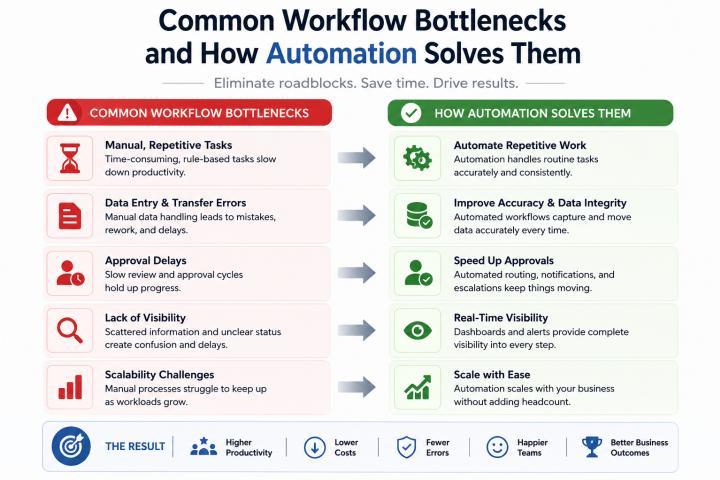
Scaling and Automation: Working "On" the Business, Not "In" It
Once you have consistent sales, the goal is to stop doing everything yourself.
Automation: Use tools to automate social media posts, email sequences, and customer support (Chatbots).
Delegation: Hire Virtual Assistants (VAs) or freelancers to handle repetitive tasks. This allows you to focus on high-level business strategy and the creative aspects of growing your brand.
Staying Compliant and Secure
Operating an online business comes with legal responsibilities. You must understand data privacy laws (like GDPR), have clear Terms of Service, and ensure your payment gateways are secure. Device security and cybersecurity are not just technical chores; they are essential to protecting your customers' data and your business's reputation.
Conclusion: The Journey Ahead
Starting an online business is one of the most rewarding challenges you can undertake. It offers a level of freedom that traditional jobs rarely can. But remember, success doesn't happen overnight. It is the result of consistent effort, continuous learning, and a relentless focus on providing value to your customers.
The digital world is constantly evolving. Keep testing, keep learning, and most importantly, keep the "human" in your business. People don't buy from websites; they buy from people they trust.