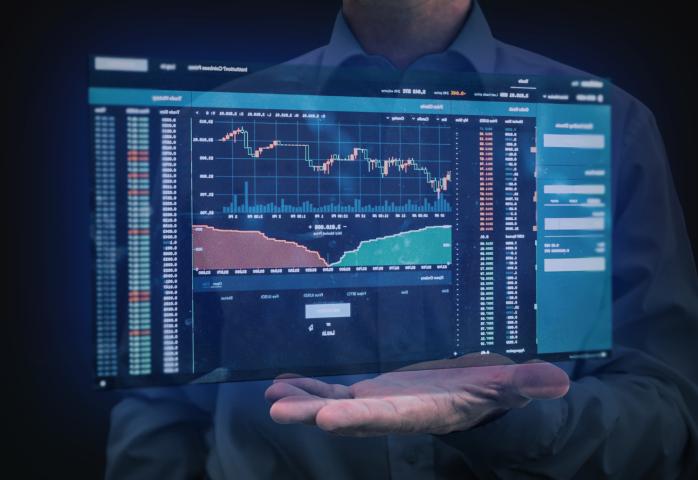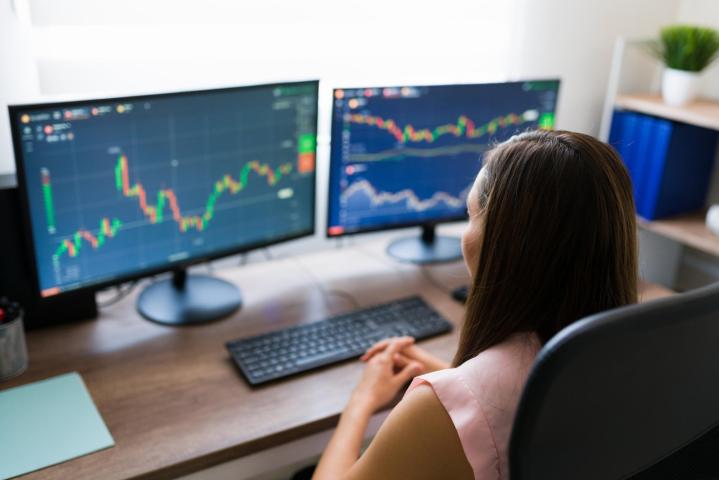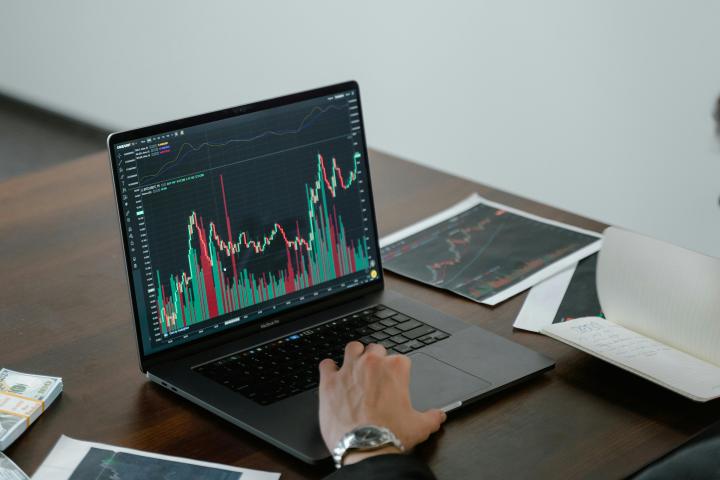

Indeed, the evolution of online trading platforms has brought about a growing source of the rising accessibility of financial markets to the public in recent years. Digital tools, mobile applications, and simplified account-opening procedures allow individuals direct access through their devices to stock markets, commodities, and derivatives. The general trading principles, such as risk management and diversification, are widely discussed; however, some rules are relatively unheard of but also play significant roles in trading. If adhered to, such real-life guidelines can help maintain a trader's continuity while expecting all sorts of behavior changes from the market.
As a starting block for today's online trading, here are seven of the lesser-known rules for surefire success:
1. Never Trade Too Often on High Volatility Days
Major events such as monetary policy announcements, major geopolitical developments, and releases of corporate earnings generate volatility in the market. Most traders crave the action during the time, but overtrading on extremely volatile days usually leads to erratic results. It might be useful to curb the volume of trading, reduce the size of positions, or just stop trading temporarily to make sure the market is behaving along the lines expected during rapid price fluctuations.
2. Opt for a Realistic Daily Limit Loss
Stop-loss orders limit risk at the trade level, while a maximum daily loss limit controls total capital at risk. Here, you would set a specific loss amount you could accept in a day and cease additional trades once that threshold has been hit. It prevents making impulsive decisions in the heat of emotions, as well as providing a limit to the erosion of capital during unfavorable market conditions.
Most Trading Apps capture daily portfolios and provide real-time profit and loss tracking, making it so much easier to keep track of and enforce such limits.
3. Keep Off Trading During a Liquidity Trading Period
These are usually the beginning and closing minutes of trading, after important news events, or during low liquidity periods where prices act strangely and have wider bid-ask spreads. High transaction costs and unattractive price executions arise as a consequence of placing trades during these times.
Online traders should also check out the depth of the market and price spread before placing a position and wait until liquidity has stabilized before entering the trade. Thereby increasing the chances for much smoother execution and fairer pricing.
4. Record the Reasoning Behind the Trade
Most traders open and close positions without keeping track of a particular reason, but keeping a trade journal that records an entry price, exit price, position size, market condition, and trade rationale fosters discipline and objective assessment.
In recent times, various Trading Apps have introduced built-in trading history and note-taking sections, making it much easier to record these kinds of decisions and review past trades as data for further improvement.
5. Use Time-Frame Analysis
A single time frame chart shows no broader perspective regarding market trends. However, seeing price movement across multiple timeframes gives more understanding of broader and shorter market behavior, such as daily, hourly, and 15-minute charts.
Usually, every modern Trading App will have a multi-timeframe charting feature. This would mean that traders are aware of instances of alignment or conflict between the trends, as well as possible tuning of entry or exit points.
6. Manage Related Risks of the Platform
Online trading may be the most convenient; however, it still has its share of occasional platform outages, technical glitches, and delays in the execution of orders. A trader must therefore be aware of these operational risks and also acquaint him/herself with the customer support options on the platform, backup order placement methods, and what the policy is about system failures.
With such an app, a trader can manage such technicalities much better since its infrastructure is reliable, along with explicit guidelines for functioning.
7. Margin Requirements Should Be Monitored
Brokers usually require a certain minimum amount of margin balance on every leveraged position maintained while keeping open trades. Sudden moves in the market can trigger calls for margin due to balances being under the required levels, and some will result in forced square-offs. Hence, traders should be cognizant and always monitor margin trade use and fund availability during trending and volatile trading sessions.
Most Trading Apps provide an updated real-time margin status, enabling traders to know their margin status, thereby eliminating shock closures of positions.
Conclusion
These few lesser-known but practically applicable rules may assist traders in developing a disciplined and informed methodology for online trading. Daily loss limits will enhance multi-timeframe analysis and operational awareness for systematic navigation through market conditions. Reliable Trading Apps further adorn this scenery by defining the efficiency with which these practices will function in dynamic financial markets.