With increasing awareness, the focus is now shifting from merely accessible menstrual products to safer, eco-friendly, and health-conscious options. Herbal napkins for women in India? One such innovation gaining traction is the herbal sanitary napkin. These napkins, infused with natural herbs and made from biodegradable materials, are emerging as a healthier alternative to conventional sanitary pads. In the Indian context—where menstrual taboos, environmental concerns, and rising health awareness intersect—herbal napkins hold significant promise.
The Problem with Conventional Sanitary Pads
Before understanding the rise of herbal napkins, it’s important to recognize the issues with conventional sanitary pads:
-
Chemical Composition: Most commercial sanitary pads contain synthetic materials, chlorine bleach, dioxins, plastics, and artificial fragrances. Prolonged exposure to these chemicals can cause rashes, irritation, allergies, and even hormonal disruptions.
-
Non-Biodegradable Waste: A single woman can use over 10,000 pads in her lifetime. Given that most pads take 500-800 years to decompose, the environmental impact is staggering.
-
Affordability and Accessibility: In rural and semi-urban India, many women still lack access to hygienic menstrual products due to cost, lack of education, and cultural taboos.
What are Herbal Napkins?
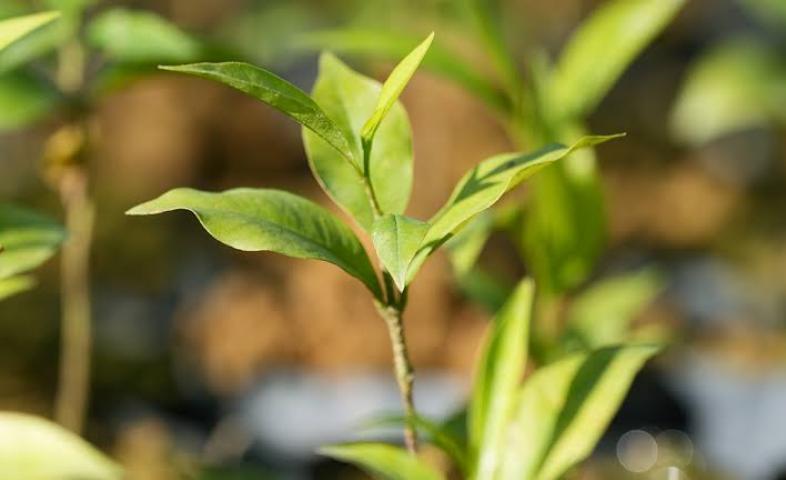
Herbal sanitary napkins are menstrual pads made with natural, organic, and biodegradable materials such as bamboo fiber, banana fiber, or organic cotton. They are infused with medicinal herbs known for their anti-inflammatory, antibacterial, antifungal, and soothing properties.
Some common herbal ingredients include:
-
Neem – Antibacterial and antifungal
-
Basil (Tulsi) – Antiseptic and anti-inflammatory
-
Safflower or Lavender Extract – Provides a natural scent and calming effect
These herbs are either infused directly into the absorbent layers or added as a top sheet to offer therapeutic benefits.
Benefits of Herbal Napkins
1. Skin-Friendly and Rash-Free
Herbal pads help prevent common skin issues like rashes, redness, itching, and discomfort, especially during long hours of use. The natural ingredients reduce the risk of allergic reactions that are common with synthetic materials.
2. Anti-Bacterial Protection
The herbal infusion offers protection against harmful bacteria that can thrive in warm, moist conditions. This helps in preventing infections such as bacterial vaginosis and urinary tract infections (UTIs).
3. Eco-Friendly
Herbal napkins are often 100% biodegradable and compostable. Made with plant-based fibers, they decompose within 6 to 12 months, making them a sustainable choice for the environment.
4. Odor Control
Unlike synthetic pads that use artificial fragrances (which can be harmful), herbal napkins naturally neutralize menstrual odor using herbal extracts like neem and basil.
5. Comfort and Breathability
The use of breathable materials like bamboo and cotton ensures better airflow, reducing moisture accumulation and discomfort.
The Indian Market for Herbal Napkins
India is seeing a slow but steady shift toward eco-friendly menstrual products. The herbal sanitary napkin segment, though still nascent, is gaining popularity due to the following reasons:
-
Growing Health Consciousness: Urban and semi-urban women are becoming more aware of what goes into their menstrual products.
-
Environmental Awareness: Gen Z and millennials are more inclined toward products with minimal environmental impact.
-
Support from NGOs and Startups: Several startups and NGOs in India are promoting herbal and biodegradable pads through awareness drives and subsidized rates.
Challenges in Adoption
Despite the benefits, herbal napkins face several challenges in India:
1. Cost
Herbal pads are priced higher than regular commercial pads, making them less accessible to economically weaker sections.
2. Awareness
Many women, especially in rural India, are unaware of the existence or benefits of herbal napkins. Menstruation is still a taboo subject in many regions.
3. Availability
These products are not widely available in all retail outlets, especially in Tier 2 and Tier 3 cities. E-commerce platforms do offer access, but internet penetration and online shopping habits are still limited in rural areas.
4. Cultural Taboos
In some parts of India, traditional beliefs and taboos prevent women from adopting new menstrual hygiene products or discussing menstruation openly.
Government and NGO Initiatives
The Indian government and NGOs have taken steps to improve menstrual hygiene, such as:
-
National Guidelines on Menstrual Hygiene Management (MHM)
-
Subsidized Sanitary Napkin Schemes
-
Training women entrepreneurs to make and sell low-cost pads
-
Awareness campaigns in schools and communities
Encouraging the production and use of herbal and biodegradable pads under such schemes can further boost the reach of healthier alternatives.
The Way Forward
For herbal napkins to become mainstream in India, a multi-pronged approach is necessary:
-
Subsidies and Incentives: Government should provide financial incentives to manufacturers and subsidies to consumers to make herbal pads more affordable.
-
Awareness Campaigns: Education about menstrual hygiene and herbal napkin benefits must be integrated into school curriculums, community workshops, and digital platforms.
-
Distribution Channels: Herbal napkin manufacturers must work with local health workers (like ASHA and Anganwadi workers) to improve last-mile delivery.
-
Research and Innovation: More R&D into local herbs and cost-effective manufacturing processes will ensure scalable, affordable solutions.
-
Menstrual Health as a Right: Ultimately, menstrual hygiene should be treated as a public health priority and a basic human right.
Conclusion
Herbal sanitary napkins present a holistic solution to many problems—chemical exposure, plastic waste, and lack of menstrual comfort. For Indian women, especially in a culturally and economically diverse country, the promise of a safer, eco-friendly, and culturally sensitive product is a step toward empowerment. With the right mix of awareness, accessibility, and affordability, herbal napkins could revolutionize menstrual health in India, one period at a time.