Sound travels fast. But when it hits the right surface, it slows, softens, or stops. This is where acoustic ceilings come in. From a home office to a school auditorium, these designs offer a fusion of sound control and >acoustic baffle ceiling changes how a room feels. It absorbs chaos. It welcomes calm. Combine the right shapes, angles, and textures, and it becomes an invisible hero of any space.
Let’s Talk First: What Is an Acoustic Ceiling?
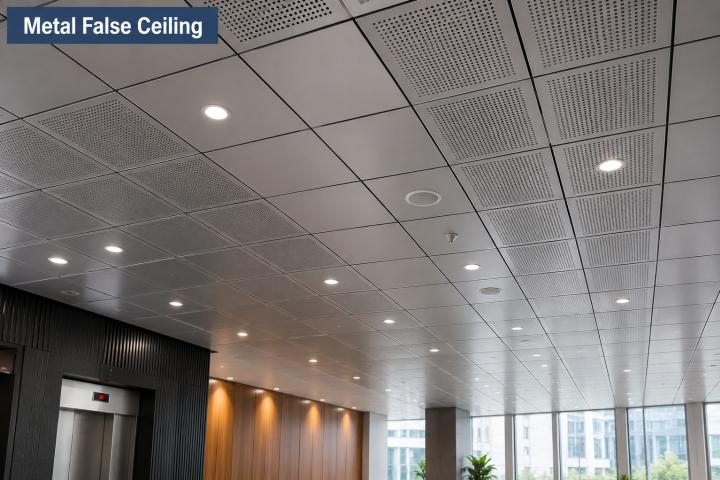
Unlike plain drywall or plaster ceilings, acoustic ceiling panels are engineered for performance. They take in unwanted sound waves and keep echoes from bouncing back. Every inch is designed to control reverb and sharpen clarity. Think of them as the room’s hidden voice filter.
In libraries, acoustic spray ceiling treatments reduce harshness. In restaurants, it helps people hear each other without yelling. It’s not just about silence—it’s about selective sound control.
Sound Absorption Made Visible
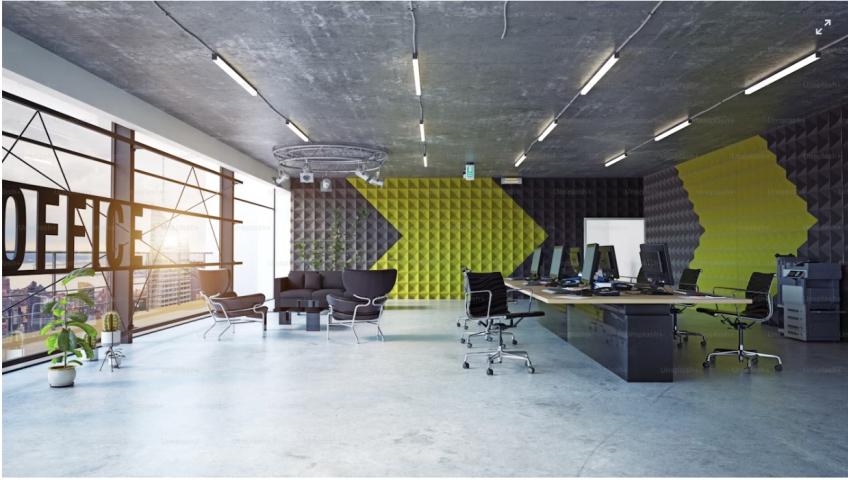
A PET panel ceiling doesn’t just absorb sound. It reshapes how we experience a room. These panels, made from recycled plastic, soften both noise and appearance. They’re flexible in form and vivid in finish, all while making rooms feel clean and crisp.
The Power of a Ceiling Redefined
What if you could paint silence? With an acoustic spray ceiling, that’s exactly what you’re doing. This technique uses a textured coating that covers the entire ceiling area. It traps high-frequency echoes and smooths out the rough edges of sound. It’s seamless. It’s stylish. And it works.
Now, imagine mixing it with fiberglass suspended ceiling tiles. These lightweight tiles drop into a grid but pack heavy acoustic benefits. The fiberglass core is naturally absorbent and easy to install. It brings industrial control into everyday rooms.
Special Touch: Why Fiberglass Rocks?
Fiberglass doesn’t hold back. Fiberglass suspended ceiling tiles catch sound like a sponge. The material doesn’t just muffle—it captures and controls. Unlike traditional materials, it stays stable across humidity and time. Ever been in a high-traffic hospital wing or a buzzing office floor? That dull hum you don't hear anymore—thank fiberglass suspended ceiling tiles for that.
The Beauty in the Details: Wood Wool Appeal
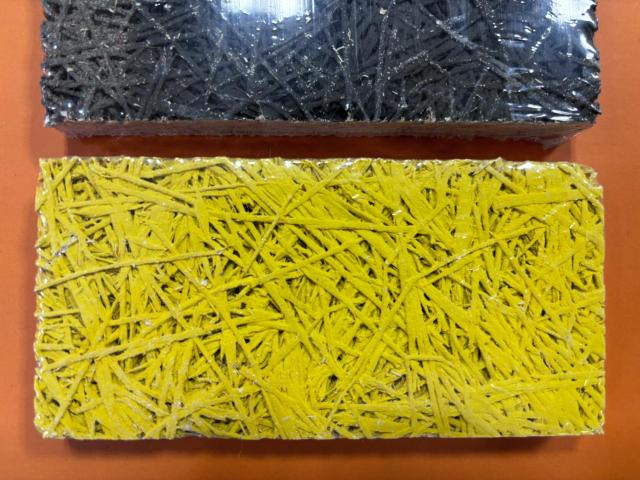
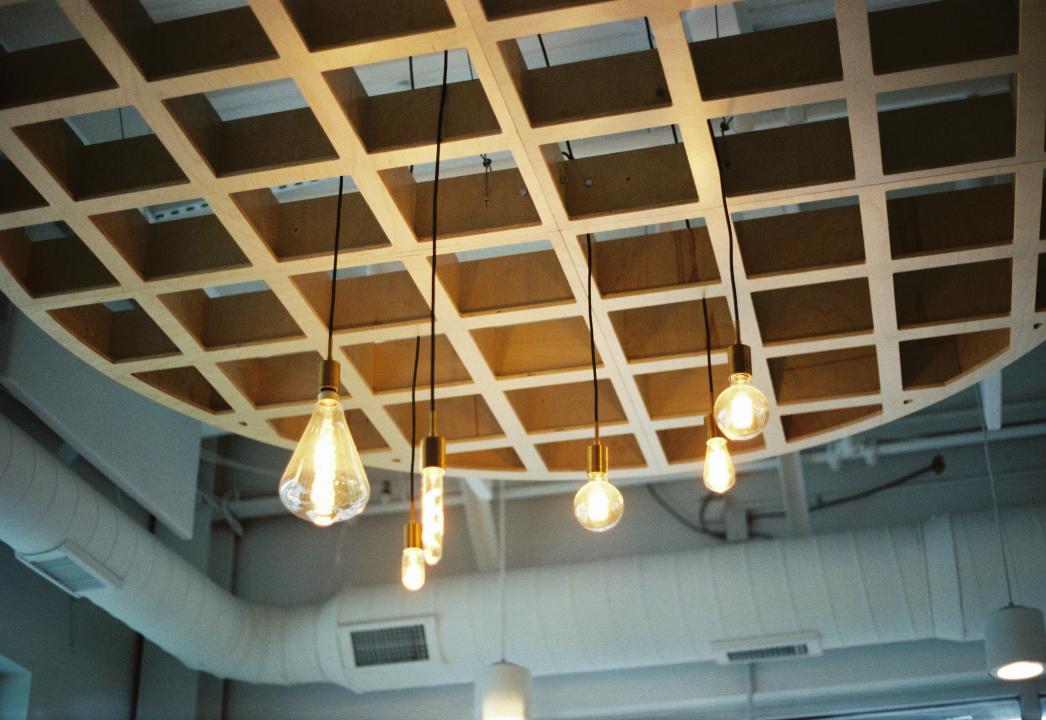
Natural textures always feel inviting. That’s why a wood wool ceiling stands out. It combines mineral binding agents with wood shavings, forming acoustic panels that are strong yet stylish. These aren’t just practical—they’re beautiful.
Offices love the look of wood wool ceiling finishes. They feel warmer than metal or plastic and pair perfectly with neutral tones. Add them in breakout rooms or cafes for an organic design edge.
Why Wood Wool Wins?
There’s science behind the charm. The fibrous surface of wood wool ceiling panels deflects and diffuses sound. Its porous structure prevents direct echo returns. Rooms feel fuller, yet softer. Architects love the flexibility. Designers love the texture. Users love the comfort. And bonus? They’re fire-resistant and sustainable. That’s form and function tied together.
Sculpting Silence: The Rise of Acoustic Baffles
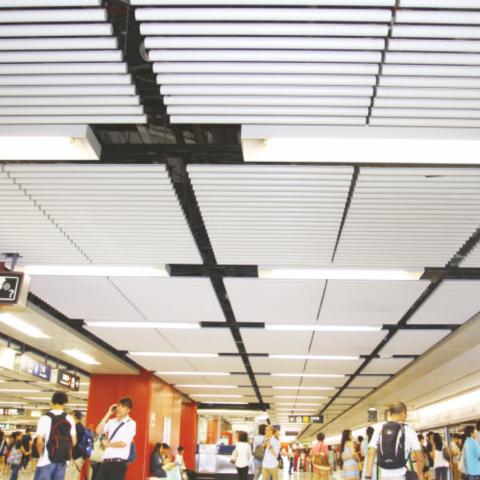
Walk into a creative agency or coworking space, and you’ll often look up to spot a floating acoustic baffle ceiling. These vertically suspended elements hang like art. But they do more than look cool—they slice noise in half.
Since an acoustic baffle ceiling doesn’t sit flat, it interacts with sound from all directions. This makes it ideal for larger areas where overhead coverage matters. Plus, their modular nature allows total customization.
Tips for Baffle Beauty
Mix baffle heights to disrupt echo paths.
Match colors to brand palettes for identity-rich spaces.
Choose angled baffles in open-plan zones for best diffusion.
Why Spray Ceilings are Secretly the Best?
While panels and tiles are common, the acoustic spray ceiling is the silent disruptor. It adapts to odd shapes, complex domes, and detailed molding. No gaps. No joints. Just continuous sound absorption.
Designers love acoustic spray ceiling coatings for minimal, modern spaces. Whether on concrete or gypsum, this option stays smooth, consistent, and discreet. And you can paint over it without losing function.
The PET Panel Ceiling Advantage
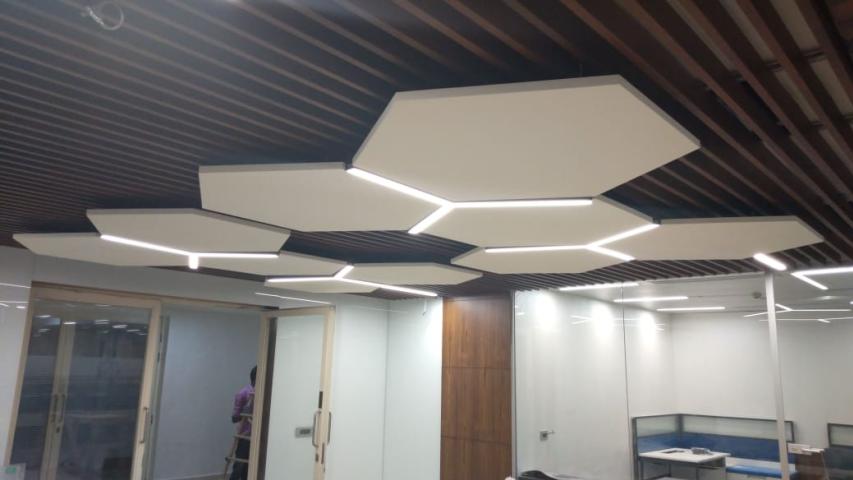
Sustainability meets performance with the PET panel ceiling. PET (polyethylene terephthalate) is lightweight, colorful, and acoustic-friendly. It often comes in geometric shapes or custom patterns.
Unlike other ceilings, a PET panel ceiling allows layered design. It doesn’t just blend into the architecture—it becomes part of the art. These ceilings brighten spaces and reduce noise at the same time.
Where PET Works Best
From classrooms to theaters, a PET panel ceiling adapts fast. Need a bold design statement in a bland space? PET delivers. Need to reduce echo in a gallery? PET fits. Its softness is hidden behind modern design.
Matching Materials: The Layered Look
You don’t need to pick just one. Many high-end designs now mix fiberglass suspended ceiling tiles with acoustic ceiling panels or top-coat them with acoustic spray ceiling for extra punch.
Create a full sound-blocking envelope by using a PET panel ceiling in key zones and installing a wood wool ceiling near windows to soften glare and sound together. Use acoustic baffle ceiling units to zone areas without building walls.
Why Layered Ceilings Win?
Better absorption across frequencies
Balanced visual elements
Improved spatial acoustics
It’s not just smart—it’s transformative.
How to Choose What Works for You?
Need to control echo in large halls? Choose an acoustic baffle ceiling. Want invisible absorption? Go with an acoustic spray ceiling. Prefer aesthetic texture? Use a wood wool ceiling. For flexibility and color, a PET panel ceiling might be perfect. Need drop-in simplicity? Install fiberglass suspended ceiling tiles. Want all-over coverage? Try combining acoustic ceiling panels with spray or baffles.
Real-life Examples
Co-working hubs use PET panel ceiling systems to balance buzz and concentration. Schools prefer acoustic ceiling panels for focus in classrooms. Restaurants go for acoustic spray ceiling coatings to reduce clatter. Auditoriums apply acoustic baffle ceiling fixtures for immersive audio. Studios love fiberglass suspended ceiling tiles for clarity. Eco-conscious firms pick the warmth of a wood wool ceiling.
Final Thought: Let the Ceiling Speak Softly
A ceiling shouldn't shout. It should guide sound gently, allow peace to settle, and help voices sound just right. Whether it’s the precise placement of acoustic ceiling panels, the subtle texture of a wood wool ceiling, or the modern flair of a PET panel ceiling, these acoustic systems elevate life through understated elegance. Check the website to get to know more: https://www.tranquilglobal.com/index.html