Accurate temperature measurement is essential in industries such as pharmaceuticals, food processing, power generation, and manufacturing. To ensure instruments like thermocouples, RTDs, and digital thermometers perform reliably, calibration is a necessary process. One of the most efficient tools for this purpose is the temperature dry block calibrator. Known for its portability, speed, and precision, it has become a standard choice for both laboratory and field calibration tasks.
What is a Temperature Dry Block Calibrator?
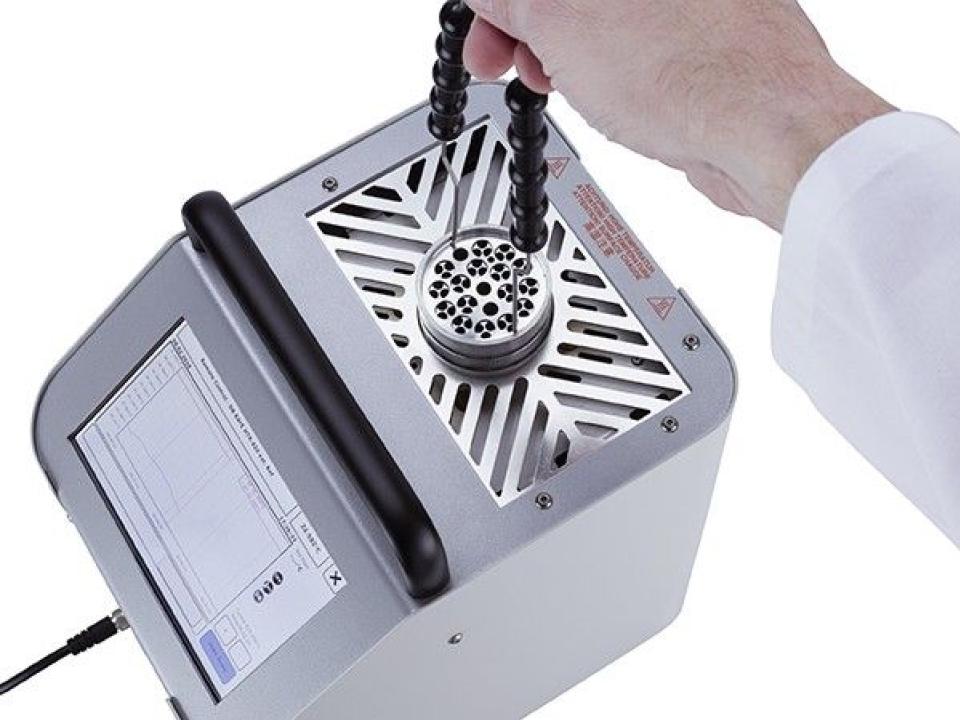
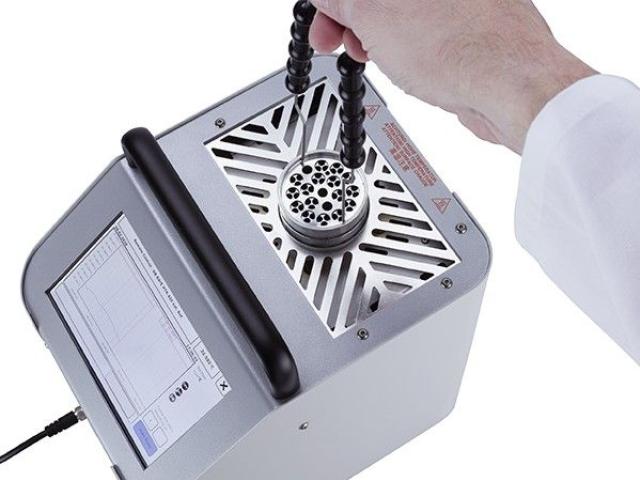
A temperature dry block calibrator is a device designed to generate stable and uniform temperatures within a metal block. The block contains multiple holes or wells where temperature sensors can be inserted for calibration. The calibrator is electronically controlled to reach and maintain a target temperature, enabling users to verify and adjust their measurement instruments.
Unlike liquid bath calibrators, a temperature dry block calibrator operates without oils or fluids, making it a cleaner and more convenient option - especially in environments where contamination control is critical.
Advantages of a Temperature Dry Block Calibrator
- Portability – Most temperature dry block calibrators are lightweight and compact, making them ideal for on-site calibration.
- Speed – They heat up and cool down quickly, reducing downtime during calibration processes.
- Clean Operation – No liquid mediums mean no spills, evaporation, or contamination risks.
- Versatility – Suitable for a wide temperature range, from sub-zero applications to high-temperature industrial processes.
- Ease of Use – Simple controls and digital displays make them user-friendly, even for technicians in the field.
Applications in Different Industries
The temperature dry block calibrator is used in a variety of industries where temperature measurement accuracy is crucial:
- Pharmaceuticals – Ensuring storage and production environments meet regulatory temperature requirements.
- Food and Beverage – Verifying cooking, cooling, and storage temperatures to comply with safety standards.
- Energy and Utilities – Calibrating sensors in power plants and refineries for operational safety.
- Manufacturing – Maintaining process control through accurate temperature monitoring.
How a Temperature Dry Block Calibrator Works
The device contains a thermally conductive metal block, typically aluminum or copper, with embedded heating and cooling elements. Sensors to be tested are inserted into the block’s wells, ensuring good thermal contact. The calibrator’s internal controller then adjusts the block to the desired temperature. A built-in reference sensor or an external standard is used to compare readings, allowing technicians to calibrate instruments accurately.
Selecting the Right Calibrator
When choosing a temperature dry block calibrator, factors to consider include:
- Temperature Range – Ensure it meets your operational requirements.
- Stability and Uniformity – Look for models with minimal temperature fluctuations.
- Well Configuration – Choose a block that accommodates your sensor types and sizes.
- Portability – Important for field calibration needs.
Conclusion
The temperature dry block calibrator is an indispensable tool for ensuring reliable and accurate temperature measurements across multiple industries. Its clean operation, rapid performance, and portability make it a preferred choice for both laboratory technicians and field engineers. By integrating this device into regular calibration routines, organizations can improve quality control, ensure compliance, and reduce costly measurement errors.