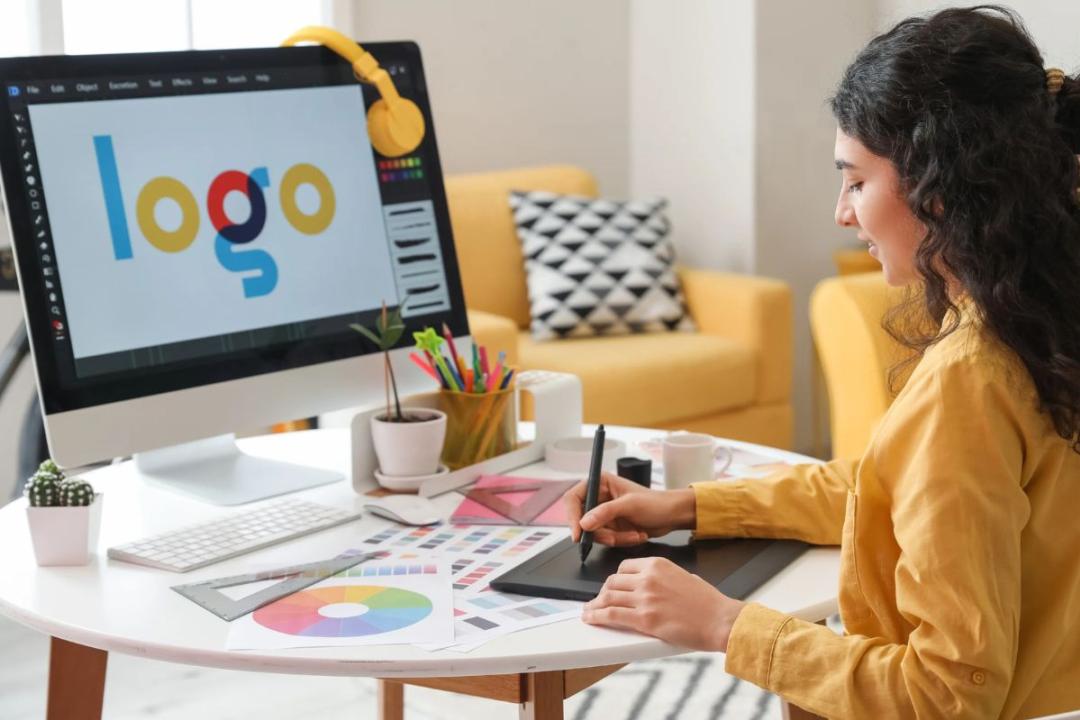
Logos are more than just symbols. Often, the first impression consumers see they are the visual brand identity of a company. A strong logo differentiates a company in a saturated market, creates confidence, and conveys values. Good design doesn't necessarily have to be difficult. Simple but significant, the best logos reflect a brand's spirit in a tidy visual form. Many companies today cooperate with a logo design agency UK to produce professional logos that fuse strategy with creativity. These organisations know how to balance colours, fonts, and shapes that produce classic designs. Designed with precision, a logo turns into a long-lasting sign of trust and appreciation rather than simply artwork.
Keep It Simple
Among the greatest observations made by designers is simplicity. A logo should be immediately identifiable. Too many specifics and complicated forms could perplex the spectator. Simple designs are more flexible. They look great on a website, packaging, business cards, or billboards. Remembering simple logos is also easier. Often employing straightforward lines, few hues, and well-proportioned shapes, the best designs employ A straightforward strategy that lets the message shine clearly.
Colour Theory
In logo design, colours are very important. Every colour has a message. Blue usually shows respect and trustworthiness. Red indicates emotion and energy. Green symbolises growth and nature. Colour psychology helps designers connect with the intended readership. Selecting the proper palette makes a logo more effective. Good logos also work in black and white. This guarantees their continued effectiveness in many forms. Balance is the key; choose colours that represent the brand's principles without overloading the design.
Typography
Fonts have character. Bold, modern typefaces can demonstrate inventiveness and power. Elegant, handwritten kinds can evoke creativity and warmth. The typography should fit the brand identity. Designers spend many hours fine-tuning the proper font. To distinguish themselves, some logos employ customised lettering. Scalable, clear, readable fonts should be used. An excellent practice is to stay away from fashionable or overused fonts that do not endure well. Once again, simplicity and clarity demonstrate their value in this field.
Balance Between Creativity and Function
Logos must also serve a need; hence, creativity is crucial. An aesthetic design that doesn't communicate will not succeed. The aim is equilibrium: creativity with functionality. Designers evaluate logos in several situations. They examine its appearance little on a business card or big on a billboard. They also make certain it functions in print and digital media. The >
Storytelling Through Design
Excellent logos convey stories. They engage emotionally with others. An underlying arrow in a pattern might imply motion. A smart symbol can signify unity, invention, or development.
Stories make logos memorable. It provides depth past the surface. Designers frequently employ basic forms to portray major ideas. One circle might mirror harmony. A triangle may symbolise power. Without language, these components convey messages. People feel closer to a brand when they get the narrative behind its logo.
Process Made Simple
Logo design is a process. Research typically begins the process. Designers find knowledge on the brand, target market, and rivals. Then they produce digital drafts and start sketching ideas.
Following that, designs are improved. The testing of layouts, typefaces, and colours is done. Client input helps to define the ultimate form. Though it could take a while, simplicity guarantees clarity. Good designers know when to cease adding complexity. Though deliberate, the ultimate emblem should be simple. This process also draws attention to the need for cooperation. Designers bring expertise and creativity, while customers offer input. Together, they design a logo that strikes as true and enduring.
Timeless Design Wins
Though trends change, great logos remain pertinent. Many well-known brands have only undergone minor changes over the decades. The trick is to create a long-lasting design. Timeless logos stay clear of fads. They depend on simple typography, well-balanced colours, and powerful shapes. Years from now, a logo ought to appear as well as it does today. Designers concentrate on timeless components that resist changing trends. This long-term vision guarantees the brand identity stays robust over time. Furthermore, protecting companies from expensive rebranding is a classic logo. It turns into a reliable basis for respect and confidence. People immediately recognise the company behind the logo. That is the strength of enduring design.
Conclusion:
Although logo design appears sophisticated, the ideas from experts refute this. Simple form, colour, typography, balance, and storytelling all have their place. Clear principles help the design process become simpler. A good logo speaks, links, and endures rather than just appearing beautiful. Companies that put money into a logo are investing in identity. For designers, it's an opportunity to mix purpose with inspiration. Done correctly, logos turn into classic markers propelling brands forward. Simple, creative design always has the greatest influence.