Healthcare has always been one of the most important aspects of people's lives. For many years, getting medications has required patients to obtain prescriptions from doctors and obtain medications in person from pharmacies which often required waiting in long lines and sometimes traveling long enough to make access difficult for the elderly or patients living in rural areas. However, with the changing digital transformation (following COVID-19), medi-delivery apps have become a game-changer in the healthcare space.
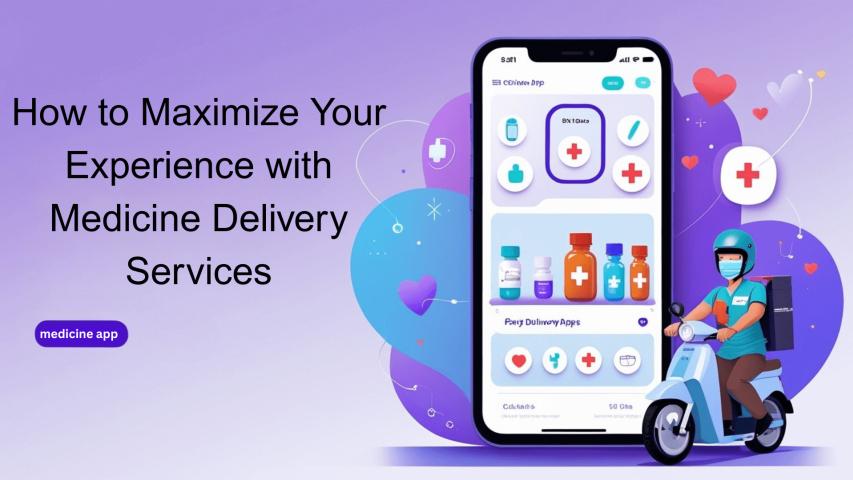
These apps are really connecting patients and pharmacies while delivering medications, providing more access to medications than a pharmacy line could offer, security, and convenience than ever before. They allow users to obtain medications with a few clicks and taps, thus revolutionizing patient care and the digital future of healthcare.
The Evolution of Medicine Delivery Apps
Before digital health solutions became popular, patients relied entirely on local chemists to buy prescribed medicines. This traditional model often caused inconvenience, especially for chronic patients who needed regular refills.
Then came the digital shift. The COVID-19 pandemic accelerated this transformation as people sought safe, contactless ways to receive their medicines. Online platforms like PharmEasy, 1mg, and NetMeds became household names by offering home delivery, prescription uploads, and easy payment options. The demand for medicine delivery app development services also surged as healthcare providers and startups realized the potential of digital pharmacies to meet evolving patient needs.
Today, these apps are not just convenience tools they’re an integral part of a larger digital healthcare ecosystem that includes online consultations, health monitoring, and AI-powered insights.
Key Features of Modern Medicine Delivery Apps
The growing popularity of these apps isn’t accidental. It’s driven by innovative features designed to make healthcare more accessible and reliable. Let’s explore the top features transforming the user experience:
1. Simple and Intuitive Interface
A user-friendly interface ensures that anyone from tech-savvy youth to elderly patients can navigate the app effortlessly. The goal is to make ordering medicines as easy as ordering groceries.
2. Secure Prescription Uploads
Most apps allow users to upload their doctor’s prescription directly. The prescriptions are verified by certified pharmacists, ensuring that only legitimate medicines are dispensed.
3. Real-Time Order Tracking
Transparency is a big trust factor. Users can track their orders in real time, knowing exactly when their medicines will arrive. With the growing reliance on Online Pharmacy App Development Services, businesses are integrating advanced GPS tracking and live notifications to enhance user experience and trust.
4. Refill Reminders and Subscriptions
For patients on long-term medications, apps offer automatic refill reminders and subscription plans. This ensures no one misses their dosage due to forgetfulness or unavailability.
5. Integration with Telemedicine and EHRs
Many apps now connect with telemedicine platforms, allowing doctors to prescribe and send prescriptions directly to the pharmacy system. This growing integration has also encouraged healthcare providers to explore the Cost to develop a telemedicine app, as combining medicine delivery and virtual consultations creates a seamless and efficient care experience. Integration with Electronic Health Records (EHR) further ensures smooth data flow and continuity in patient healthcare management.
Benefits of Medicine Delivery Apps
Medicine delivery apps are not just a convenience; they’re a necessity in today’s digital-first world. Here’s how they’re making healthcare more efficient and inclusive:
1. Convenience at Your Fingertips
With 24/7 access, patients can order medicines anytime without worrying about pharmacy hours or travel. This is especially beneficial for those with mobility issues or in emergencies.
2. Better Accessibility
For patients in remote or rural areas where access to quality pharmacies is limited, these apps provide a lifeline. They can order genuine medicines delivered directly to their doorstep.
3. Cost-Effective Solutions
Online medicine platforms often offer discounts, reward points, and price comparisons. This helps patients save significantly, especially those managing chronic illnesses.
4. Safety and Hygiene
The post-pandemic era has made safety a top priority. Apps ensure contactless delivery and strict hygiene protocols, minimizing the risk of infection.
5. Time-Saving
Gone are the days of waiting in long queues. Ordering online saves valuable time, allowing patients to focus more on recovery and wellness.
The Role of Technology in Medicine Delivery
Technology lies at the heart of this transformation. Let’s look at how various tech innovations power the medicine delivery ecosystem.
1. Artificial Intelligence (AI) and Machine Learning (ML)
AI helps analyze user behavior, recommend medicines, and even predict when refills are due. For example, if you ordered blood pressure medication last month, the app can remind you to reorder before you run out.
2. Blockchain for Drug Authenticity
Fake or counterfeit drugs pose a serious threat to public health. Blockchain ensures transparent supply chains, verifying every medicine’s origin and journey from manufacturer to consumer.
3. Internet of Things (IoT) and GPS Tracking
IoT-enabled sensors help monitor the temperature of sensitive drugs during transport. GPS tracking ensures timely delivery while optimizing delivery routes for efficiency.
4. Big Data Analytics
Apps collect vast amounts of data that can be analyzed to understand patient trends, forecast medicine demands, and improve service delivery.
Impact on Patients and Healthcare Providers
The transformation isn’t just benefiting consumers; it’s reshaping how healthcare providers operate too.
For Patients
- Empowerment through access to reliable and affordable medicines.
- Continuous care with easy prescription management.
- Better medication adherence due to refill reminders and app notifications.
For Healthcare Providers
- Easier prescription management and communication with patients.
- Reduced workload at physical pharmacies.
- Enhanced patient data insights for more personalized treatment plans.
For Pharmacies
- Expanded reach beyond geographical boundaries.
- Efficient inventory management using data-driven analytics.
- Increased customer retention through digital loyalty programs.
Challenges in Medicine Delivery App Development
While the industry is booming, it’s not without challenges. Developers and companies must navigate several hurdles to ensure efficiency and trustworthiness.
1. Regulatory Compliance
Medicine delivery apps must comply with healthcare regulations like HIPAA, GDPR, and local pharmacy laws. Any non-compliance can lead to penalties and loss of credibility.
2. Counterfeit Drugs
Ensuring the authenticity of every medicine is critical. Robust supplier verification and blockchain tracking can help tackle this issue.
3. Logistics Management
Maintaining a cold chain for temperature-sensitive drugs (like insulin) requires advanced logistics and monitoring systems.
4. Data Privacy and Security
Apps handle sensitive user health data, making cybersecurity a top concern. Encryption, multi-factor authentication, and strict access controls are vital.
The Future of Medicine Delivery Apps
The future looks bright — and intelligent. As technology continues to evolve, medicine delivery apps will become even more personalized and integrated into our healthcare routines.
1. AI-Driven Health Insights
AI will predict health issues based on user behavior and suggest preventive medicines or supplements.
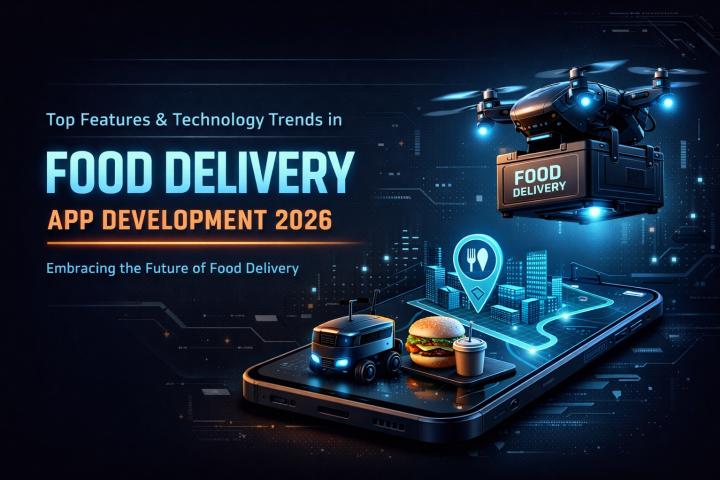
2. Drone Deliveries
Several startups are testing drone delivery systems to reach remote areas within minutes — making emergency medicine delivery faster and more efficient.
3. Integration with Wearable Devices
Apps could sync with smartwatches and health trackers to monitor vital signs and automatically suggest relevant medication.
4. Unified Healthcare Platforms
The future may bring all-in-one apps combining teleconsultation, diagnostics, e-prescriptions, and medicine delivery — offering a complete digital healthcare ecosystem.
Case Studies: Real-World Impact
PharmEasy
PharmEasy simplified prescription management and home deliveries during the pandemic, helping millions of Indians get their medicines safely and affordably.
Tata 1mg
By integrating teleconsultation, lab tests, and medicine delivery, Tata 1mg became a one-stop healthcare platform — enhancing accessibility across India.
NetMeds
NetMeds focuses on affordability and quick delivery, offering discount programs and partnerships with local pharmacies to ensure fast service even in remote areas.
These success stories highlight how technology can make healthcare more humane, responsive, and efficient.
Conclusion
Medicine delivery apps are no longer just about convenience — they’re about empowerment. They bring healthcare to the fingertips of millions, bridging the gap between patients and pharmacies. With AI, blockchain, and IoT driving innovation, these platforms are ensuring medicines are not only accessible but also authentic and affordable.
As we look ahead, the future of healthcare will continue to be defined by digital integration and patient-centric solutions. Medicine delivery apps are not just transforming healthcare; they are making it smarter, safer, and more inclusive for everyone.
Frequently Asked Questions (FAQs)
Q1. What is a medicine delivery app?
A medicine delivery app allows users to order prescription and over-the-counter medicines online and get them delivered to their doorstep. These apps also offer features like refill reminders, teleconsultations, and discounts.
Q2. How do medicine delivery apps ensure the authenticity of drugs?
Reputed apps source medicines only from licensed pharmacies and use technologies like barcode scanning and blockchain to verify authenticity.
Q3. Are medicine delivery apps safe to use?
Yes, as long as users choose verified platforms that follow data privacy regulations and work with certified pharmacists.
Q4. Can I order medicines without a prescription?
Only non-prescription (OTC) drugs can be ordered without a prescription. Prescription drugs require a doctor’s prescription, which can be uploaded in the app.
Q5. What is the future of medicine delivery apps?
The future lies in AI-driven personalization, drone-based deliveries, and integration with wearable health devices, making healthcare more predictive and accessible.