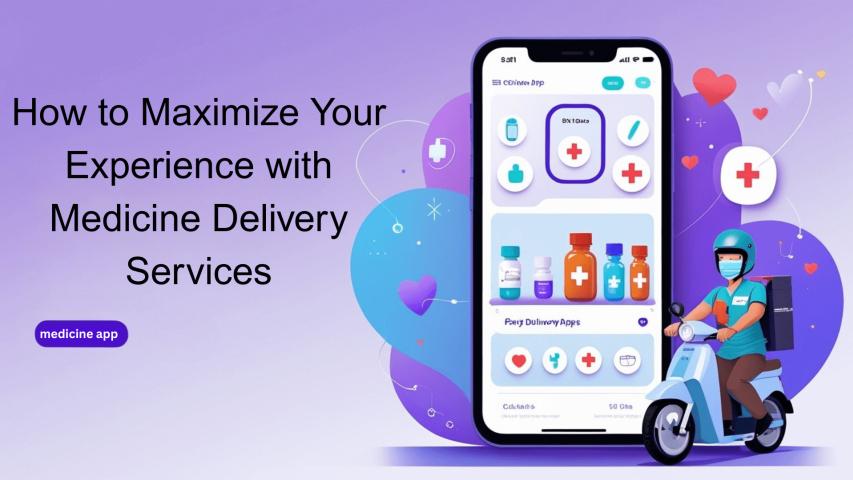
The delivery of medicines is moving into a new age in which convenience, real-time tracking as well as AI-powered automated processes are now standard features. With worldwide ePharmacy acceptance growing every year, consumers are now utilizing applications that provide faster delivery and accurate prescription verification as well as transparency regarding the availability of medicines. For pharmacies, startups and health care providers creating a robust platform is vital to be in the game. This blog will look at the medicine delivery app features which will be most important to users in 2026 as well as information on medicine delivery app development and cost-related considerations as well as the importance of AI.
1. Easy Onboarding & Secure User Authentication
An app that delivers medicine should begin by allowing simple registration using a mobile number, email address, or even a social login. Because healthcare information is highly sensitive and sensitive, secured authentication using OTP or biometric login is vital. This reduces friction, and also ensure conformity with security standards.
2. Smart Search With Real-Time Medicine Availability
Many users switch applications because they are unable to locate their needed medications promptly. Fast and efficient search tool using filters (salt brands, brand replacements and dosage forms) significantly improves the the user experience. The ability to display live availability aids users in making quick purchasing decisions, which is an important requirement in the year 2026.
3. AI-Powered Medicine Suggestions & Substitutes
AI is now a key component of developing apps that deliver medicine.
Modern AI medicine delivery app highlights include:
Generic substitutes are recommended when brand medicine is not available.
Recognizing drug combination or health products
Automatically detecting prescription information by using OCR
The ability to predict user requirements based on purchase history
The improvements will improve the customer experience and increase the conversion rate.
4. Prescription Upload & Digital Validation
The prescription-based medications require proper verification. An integrated system for uploading images as well as PDFs with prescriptions assures the safety of medication. A lot of apps integrate pharmacies' dashboards that allow for immediate validation which is something that every Medicine delivery app development currently puts a high priority on.
5. Real-Time Order Tracking & Delivery Status Updates
Customers expect transparency in delivery. The use of GPS tracking allows the tracking of:
Packaging for orders
Dispatch
Rider location
Time of arrival estimated
This feature is essential by 2026, as accuracy in location and tracking APIs are becoming more stable.
6. Multiple Payment Options With Wallet Integration
A medicine delivery app must support:
UPI
Credit and debit cards
Wallets
Cash at Delivery (if permitted)
The wallet is available in-app.
Speedy checkout greatly enhances the customer's retention and confidence.
7. Subscription Refills & Automated Reminders
People with chronic ailments typically require regular medication. Reminders for refills that are automated and subscription plans will ensure that they don't miss any doses. This helps increase repeat order as well as loyalty, which is crucial to business growth.
8. Emergency Delivery & Priority Orders
By 2026, delivery that is ultra-fast (within 15-30 mins in metropolitan cities) will be more frequent. Priority service as well as emergency delivery increases trust among users, especially in emergency health conditions.
9. In-App Chat Support With Pharmacists
A connection to pharmacists verified through phone or chat can help users understand any doubts they have about medications, adverse consequences, dosage, and substitutions. This is in line with current medical compliance regulations.
10. Discounts, Offers & Loyalty Programs
Discounts on coupons, wallet cashback as well as subscription-based discounts encourage users to come back. Programs to reward loyalty are an established method to increase long-term engagement as well as revenue from apps.
11. Admin Dashboard for Efficient Management
Business owners will appreciate an intelligent dashboard can provide streamlined monitoring of:
- Medicine inventory
- Orders
- Delivery agents
- Pricing
- Analytics and Reports
This is the primary necessity when choosing medicine delivery app development services.
12. Advanced Analytics for Better Decision-Making
Analytics help businesses track customer behavior, sales trends as well as delivery results. Analytics play an important impact in enhancing application performance as well as expanding strategy for 2026.
What Is the Medicine Delivery App Development Cost in 2026?
Although the exact cost can vary by location and feature, this is a reasonable estimate that is based on recent trends in the industry:
- Basic medicine delivery app: $8,000 - $18,000
- Mid-level, with real-time tracking and AI recommendations: $20,000 - $40,000
- Advanced AI medicine delivery app that includes dashboards, subscriptions and dashboards: $40,000 - $80,000+
Costs are based on the complexity of features, technology stack, design quality, as well as the level of AI integration.
Conclusion
In 2026, people are expecting apps for medicine delivery to be fast, intelligent as well as secure and customized. The integration of AI suggestions such as real-time tracking and prescription verification, and subscription management isn't just an option anymore, it's crucial to stay ahead of the curve.
Whether you are a start-up, pharmacy chain or health care service, choosing a trustworthy software development company will ensure that your app is scalable, compliant and is ready to meet the demands of future electronic healthcare.