Planning an outdoor event—whether it’s a wedding, birthday bash, corporate gathering, or family reunion—requires careful consideration of space, comfort, and functionality. One of the most critical decisions is selecting the right-sized party tent. A tent that’s too small will leave guests cramped and frustrated, while one that’s too large can feel empty and waste resources. So, how do you determine the perfect size for your party tent? Let’s break down the factors to consider, from guest count to layout, to ensure your event is both memorable and practical.
1. Understanding Your Guest Count
The foundation of choosing a party tent size starts with your guest list. The number of attendees directly impacts how much space you’ll need per person. Here’s a general rule of thumb:
Casual Events (e.g., backyard parties, picnics): Allocate 8–10 square feet per person. This allows for standing room, light seating, and movement.
Formal Events (e.g., weddings, galas): Provide 12–15 square feet per person. This accounts for seated arrangements, tables, and pathways.
Mixed-Use Events (e.g., ceremonies followed by dining): Aim for 10–12 square feet per person to accommodate transitions between setups.
For example, if you’re hosting 100 guests at a formal dinner, you’d need a tent ranging from 1,200 to 1,500 square feet (100 guests × 12–15 sq ft). However, these are baseline estimates. Adjustments must be made based on additional elements like dance floors, bars, or stages.
2. Accounting for Furniture and Layout
A party tent isn’t just for covering heads—it’s a functional space that must house tables, chairs, and other amenities. The layout you choose significantly impacts the required size:
Banquet Style: Rectangular tables seat 6–10 people each. For 100 guests, you’d need 10–12 tables, requiring roughly 1,200–1,500 sq ft (including aisles).
Cocktail Style: High tables and stools or open standing areas need less space per person (6–8 sq ft). A 100-person cocktail party might fit in 600–800 sq ft.
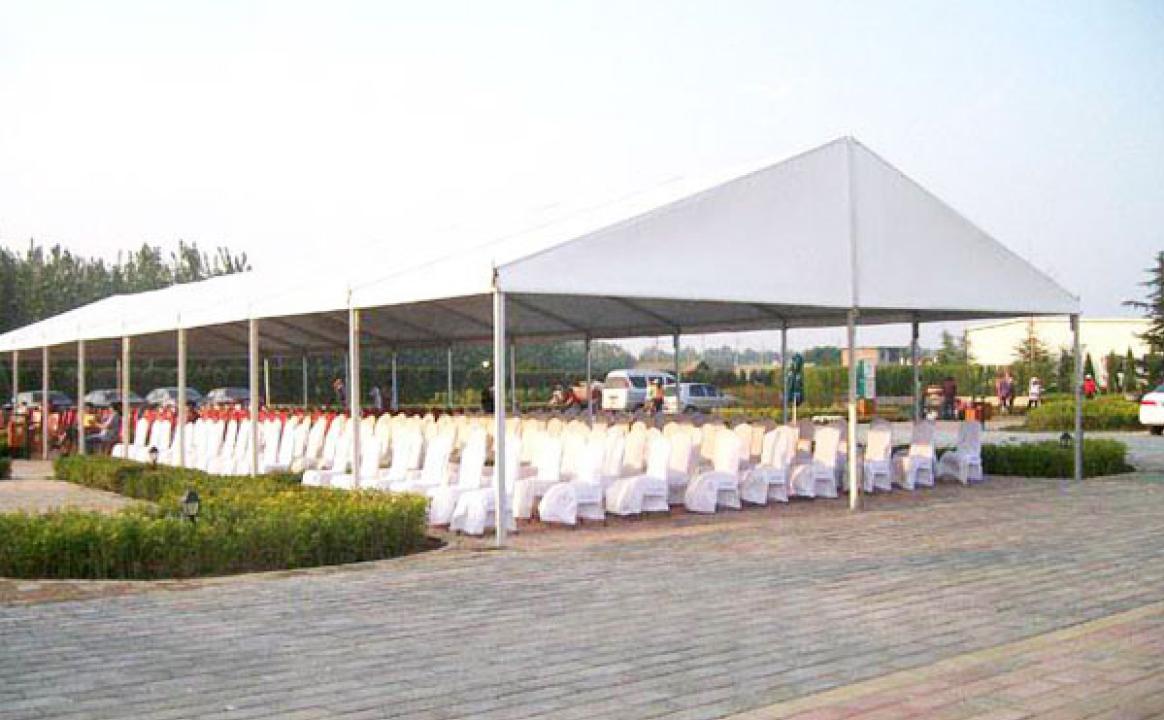
Theater Style: Rows of chairs for speeches or performances need 5–7 sq ft per person. For 100 guests, 500–700 sq ft suffices.
Don’t forget to include space for service areas, such as buffet tables, bars, or DJ booths. A 10-foot buffer around the perimeter is advisable to avoid a cluttered feel.
3. Weather and Environmental Factors
Outdoor events are subject to weather, which can influence both comfort and safety. Consider these aspects:
Heat and Ventilation: In hot climates, a larger tent with open sides or ventilation panels improves airflow.
Rain and Wind: Ensure the tent is rated for local weather conditions. Sturdy frames and anchoring systems are essential for windy areas.
Snow Load: If hosting in winter, verify the tent’s snow load capacity to prevent collapses.
Additionally, the ground surface matters. A grassy lawn may require staking, while concrete or asphalt needs weighted anchors. Always check if your venue has restrictions on tent installation methods.
4. Aesthetic and Ambiance Goals
The size of your party tent also shapes the event’s atmosphere. A sprawling tent can create a grand, open feel, while a smaller, intimate tent fosters coziness. Consider:
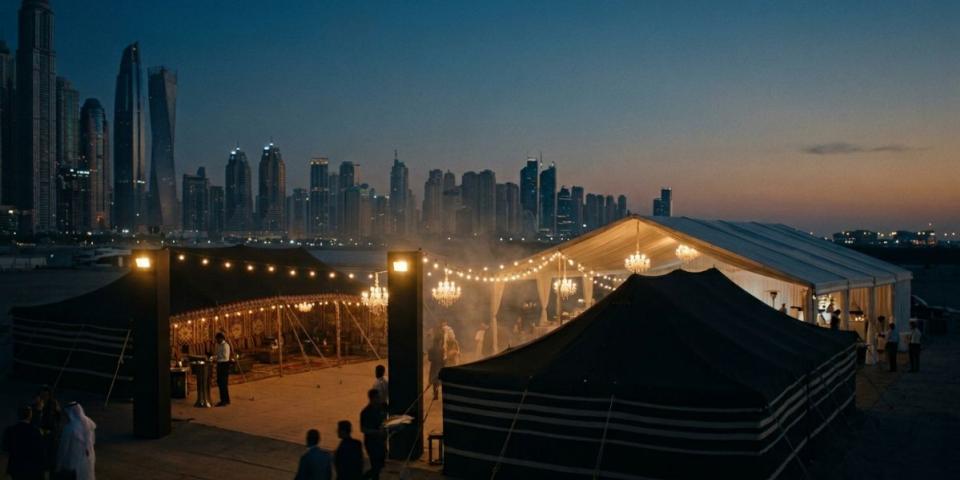
Ceiling Height: High-peak tents (16–20 feet) accommodate lighting, drapery, or chandeliers for elegant events. Lower tents (8–12 feet) work better for casual gatherings.
Lighting and Decor: String lights, lanterns, or uplighting require space. Overcrowding decorations can make a tent feel smaller.
Theming: Themed events (e.g., rustic, bohemian, or black-tie) may need extra room for props or staging.
5. Practical Considerations: Access and Logistics
Even the perfect-sized tent can falter if logistics are overlooked. Factor in:
Entrances and Exits: Multiple entry points prevent bottlenecks, especially for large crowds.
Vendor Access: Caterers, florists, and rental companies need space to unload and set up.
Parking and Walkways: Guests should have easy access to the tent without trampling landscaping.
6. Common Mistakes to Avoid
Even experienced planners make errors when sizing a party tent. Watch out for:
Underestimating Space for Staff: Waitstaff, bartenders, and cleanup crews need room to move efficiently.
Ignoring Future Needs: If you plan to expand the guest list later, opt for a slightly larger tent now.
Overlooking Permits: Some municipalities require permits for tents exceeding a certain size.
Conclusion: The Key to a Perfect Party Tent
Selecting the right party tent size hinges on balancing guest count, layout, weather, aesthetics, and logistics. By calculating square footage per person, accounting for furniture and service areas, and considering environmental factors, you can avoid overcrowding or underutilizing your space. Remember, a party tent is more than a shelter—it’s the framework for your event’s success. Invest time in planning, consult with rental professionals, and prioritize flexibility. Whether you’re hosting an intimate gathering or a grand celebration, the right party tent will ensure comfort, safety, and an unforgettable experience for all.
In the end, the goal is simple: Choose a party tent that complements your vision while accommodating practical needs. With careful measurement and thoughtful design, your outdoor event will thrive under the perfect canopy.