The United Arab Emirates (UAE) has always stood out as a hub of innovation and rapid growth, and its cleaning services sector is no different. As the country races toward 2026, this industry is experiencing a significant transformation fueled by technological advancements, a push for sustainability, and the increasing demands of urbanization and higher hygiene standards.
What used to be a simple service has now turned into a sophisticated, eco-friendly ecosystem that incorporates artificial intelligence (AI), robotics, and green practices to cater to a growing population and a booming economy. This shift is about more than just cleaner spaces—it's about creating smarter, more efficient, and environmentally responsible operations that align with the UAE's Vision 2031 and its goals for achieving net-zero emissions.
Explosive Market Growth: Facts and Figures
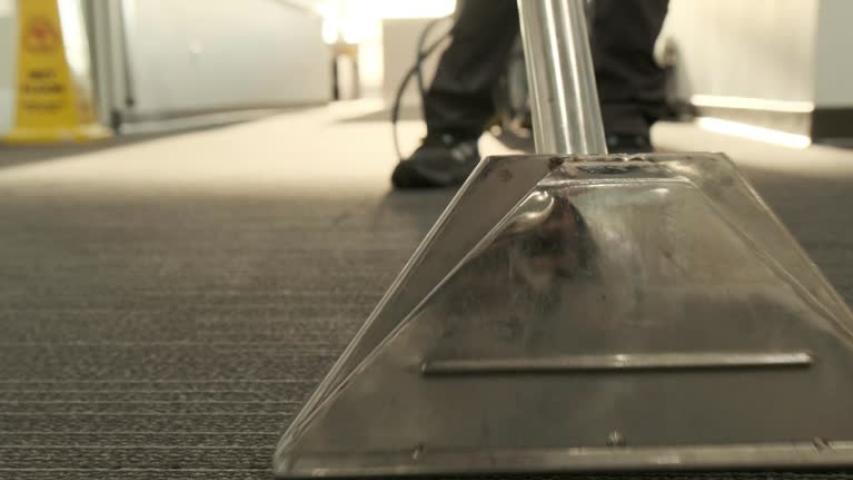
The commercial sector takes the lead, capturing the largest market share in 2024, thanks to strict hygiene regulations in hospitality, healthcare, and food services. Janitorial services, which include everyday tasks like dusting, vacuuming, mopping, and disinfecting, are the most prominent service type, while Abu Dhabi holds the regional majority, driven by its infrastructure growth and sustainability efforts. On the other hand, the contract cleaning sub-market, valued at USD 801.19 million in 2023, is projected to rise to USD 1,145.90 million by 2032, showcasing a trend towards outsourced, specialized cleaning solutions. These statistics highlight a sector that's not just bouncing back from the pandemic but is actually accelerating towards a USD 38.08 billion facility management market by 2030, with cleaning services as a fundamental component.
Technological Transformation: Automation and Smart Solutions
At the core of the 2026 revolution is technology, with smart cleaning tools transforming the way we think about efficiency and precision. By 2026, it's expected that 80% of large contract cleaning companies in the region will be using digital platforms for quality audits and keeping track of their workforce. This is a significant jump from the current situation, where 62% of firms are already embracing Internet of Things (IoT)-enabled devices. Innovations such as AI-powered robotic vacuums, automated floor scrubbers, and sensor-based systems for real-time monitoring are cutting operational costs by as much as 30%, all while reducing water and energy usage. In the humid climate of the UAE, these tools are especially crucial, allowing for predictive scheduling that optimizes service frequency and minimizes waste.
The use of AI and IoT also extends to antimicrobial coatings and self-disinfecting surfaces, with the global market for these technologies expected to soar to USD 20.1 billion by 2026—doubling from USD 9.8 billion in 2020. Companies in the UAE are teaming up with global leaders like Ecolab and ISS to implement these solutions, particularly in high-traffic areas such as Dubai's malls and healthcare facilities in Abu Dhabi. Touchless technologies in restrooms and UV-C filtration systems for HVAC are also enhancing indoor air quality (IAQ), which has become a top priority as awareness of airborne pathogens continues to grow.
Sustainability: Green Cleaning Takes Center Stage
Sustainability is at the heart of this revolution, perfectly aligning with the UAE's ambitious goal of achieving 50% renewable energy by 2050 and cutting carbon emissions by 25% by 2030. Green cleaning practices are on the rise, with facility managers increasingly opting for biodegradable, non-toxic products and water-saving methods like dry steam cleaners—72% of them are prioritizing eco-friendly contracts. The global market for green cleaning products, which was valued at USD 2.8 billion in 2023, is poised for impressive growth in the Middle East and Africa (MEA), thanks in part to Dubai Municipality's regulations that require sustainable practices for all new government buildings.
By 2026, we can expect a widespread shift towards energy-efficient equipment and recycling programs, as companies strive for eco-certifications to meet their clients' expectations for corporate social responsibility. This approach not only adheres to regulations but also helps save money: just implementing water-saving technology can cut usage by 40% in commercial environments. The industrial and institutional cleaners segment, projected to reach USD 142.29 million by 2025, is set to grow even more, focusing on low-chemical waste and compostable packaging.
BusyBees Dubai: A Trailblazer in the Emirates' Cleaning Landscape
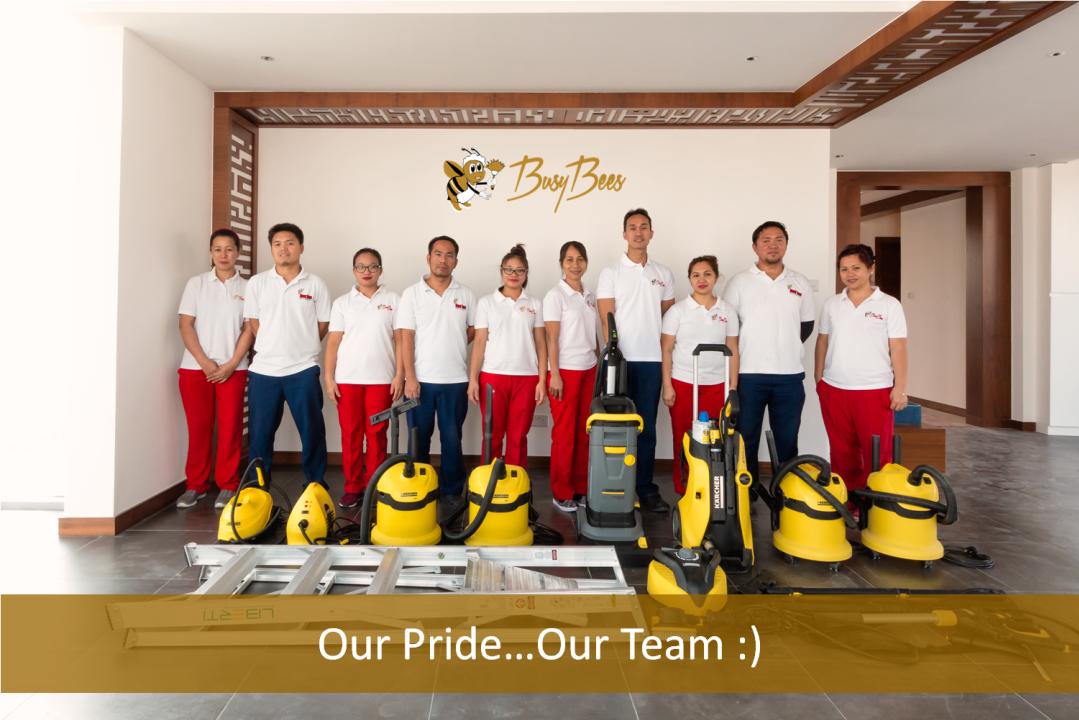
As a standout player in Dubai's cleaning industry, BusyBees Dubai truly embodies the innovative spirit that's taking the UAE by storm. Launched in 2008 as a family-run venture by Rania El Didi and Sherif Abou Elrish, this company has blossomed into a reliable name, boasting over 80 employees spread across three continents. They even made a splash in Egypt back in 2013 and have a PropTech branch dedicated to holiday home services. BusyBees specializes in everything from residential and commercial cleaning to building maintenance, offering a wide range of services that include pest control, COVID-19 disinfection, indoor air quality management, and eco-friendly options through their GreenBee division for clients focused on renewable energy.
With certifications like ISO 9001:2015 for quality, ISO 14001:2015 for environmental management, and ISO 45001:2018 for occupational health and safety, plus approval from Dubai Municipality, BusyBees is committed to excellence. They utilize top-notch German equipment and eco-friendly detergents made in the USA to provide tailored, sustainable services—even on holidays! Their cutting-edge tools, such as geo-tagged scheduling through Jobber, along with partnerships with suppliers like Karcher and Diversey, position BusyBees as a forward-thinking leader, dedicated to preserving assets in Dubai's tough environment while promoting hygiene and innovation.
Looking Ahead: A Cleaner, Smarter UAE
By 2026, the cleaning industry in the UAE is set to become a shining example of how technology and sustainability can work hand in hand to support a rapidly evolving nation. With significant investments pouring into automation and green technologies, this sector is not just about keeping spaces spotless; it’s about paving the way for a healthier and more resilient future. As urbanization speeds up and global standards shift, companies like BusyBees are poised to take the lead, ensuring that the Emirates stays at the cutting edge of this exciting transformation.