Sigma vs Tamron for Wildlife Photography: Which Lens Should You Buy?
In the world of wildlife photography, choosing the right telephoto lens can make all the difference between a good shot and a breathtaking image. Sigma and Tamron have long competed to deliver high-quality lenses that rival those from Canon, Nikon, and Sony—at a fraction of the cost. Both brands are known for their sharp optics, advanced stabilization systems, and durable builds. But when it comes to capturing fast-moving wildlife, which brand delivers the better performance in 2025? This comprehensive guide compares Sigma and Tamron lenses from every angle to help you decide which one suits your photography >
Understanding the Needs of Wildlife Photography
Wildlife photography demands speed, precision, and reach. Whether you’re photographing birds in flight or large mammals from a distance, the lens must perform exceptionally well in challenging conditions. Long focal lengths (usually 400mm or more), fast autofocus, and reliable stabilization are essential. Photographers also require weather-sealed designs to protect against dust, humidity, and unpredictable outdoor elements. Sigma and Tamron have both evolved their telephoto offerings to meet these expectations, but their design philosophies differ in subtle ways that affect real-world results.
Optical Performance: Sharpness and Color Accuracy
In wildlife photography, image sharpness is crucial. Sigma’s lenses, particularly the Sports series such as the Sigma 150-600mm f/5-6.3 DG OS HSM Sports, have earned a reputation for their remarkable sharpness across the frame. The lens’s FLD and SLD glass elements control chromatic aberrations, while the Super Multi-Layer Coating enhances color accuracy and contrast, even in backlit conditions. These characteristics make Sigma a favorite among professionals who want consistent image quality, even when cropping.
Tamron’s modern telephoto lenses, like the Tamron 150-500mm f/5-6.7 Di III VC VXD, also deliver excellent sharpness and color fidelity, particularly in the center of the frame. However, some users report slightly softer edges at maximum zoom compared to Sigma’s Sports models. While this difference may not be significant for casual photographers, professionals often notice it in large prints or tight crops. Overall, Sigma maintains a slight advantage in optical consistency across focal ranges.
Build Quality and Durability
Wildlife photographers often work in tough environments—wetlands, deserts, forests, and mountains. Durability and build quality are therefore essential. Sigma’s Sports lenses are built like tanks, featuring a magnesium-alloy body, full weather sealing, and customizable focus limiters. Their design prioritizes resilience without compromising handling. This gives photographers confidence when shooting in dusty or humid areas, especially during long outdoor sessions.
Tamron, on the other hand, focuses on lightweight designs that make handholding easier. Its lenses often weigh less, providing better portability during long treks. While Tamron lenses do offer weather-resistant seals, they typically lack the same level of ruggedness found in Sigma’s Sports lineup. For those who value solid construction and longevity, Sigma lenses have the edge.
Autofocus and Image Stabilization
Fast and accurate autofocus can determine whether you capture the perfect wildlife moment. Sigma’s HSM (Hyper Sonic Motor) and newer stepping motor systems offer quick, silent focusing with high precision. The advanced Optical Stabilizer (OS) system helps reduce shake when shooting handheld at longer focal lengths, making it easier to track moving subjects.
Tamron’s VXD (Voice-coil eXtreme-torque Drive) autofocus motors are equally fast, with excellent subject-tracking performance. Their VC (Vibration Compensation) system is reliable, offering up to 4.5 stops of stabilization. However, in side-by-side field tests, Sigma’s AF tracking on fast-moving animals tends to be more consistent, especially in burst mode shooting. The difference is minor but noticeable to professional wildlife photographers who rely on precision for action shots.
Real-World Handling and Portability
Sigma lenses, particularly the 150-600mm Sports model, are heavier but well-balanced. When paired with a sturdy monopod or tripod, they provide unmatched stability and image sharpness. The lens’s customizable switches for OS modes and focus limits make it practical for field use.
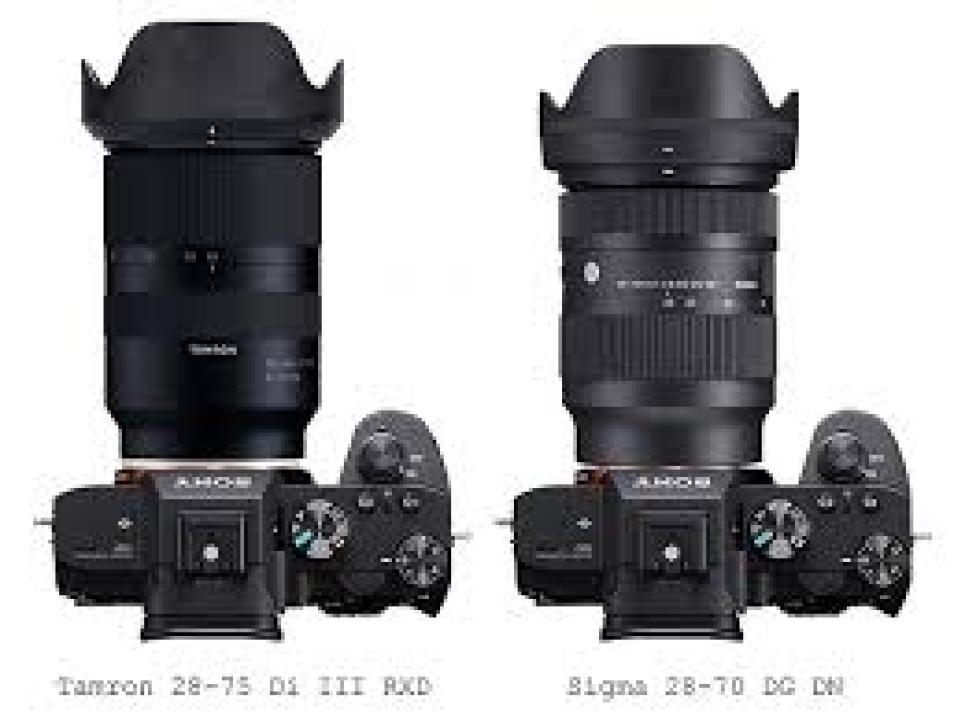
Tamron’s compact telephotos offer a different advantage—mobility. The 150-500mm, for example, is smaller and lighter, making it a better choice for those who shoot handheld or prefer traveling light. If you hike frequently or need flexibility in different terrains, Tamron may appeal more. However, for professional setups where stability and performance matter most, Sigma remains the stronger option.
Price and Value for Money
Both Sigma and Tamron deliver exceptional value compared to first-party lenses. Sigma’s lenses are often slightly more expensive, reflecting their premium build and optical design. However, they retain value better and are a long-term investment for photographers who demand performance in professional settings. Tamron’s lower price point makes it appealing to hobbyists or photographers upgrading from kit lenses.
For photographers in Pakistan, purchasing through official distributors like Sigma ensures authenticity, warranty coverage, and after-sales support. Considering the investment required for professional lenses, buying through authorized channels adds peace of mind and long-term reliability.
Performance in Low Light and Harsh Conditions
Low-light situations—such as dawn or dusk—are common in wildlife photography. Sigma lenses generally offer slightly wider apertures and better control over vignetting, which helps maintain image quality in dim conditions. Their coatings also minimize flaring when shooting toward the light. Tamron performs well but may exhibit more light falloff at longer focal lengths.
When shooting in the field, build integrity also becomes a factor. Sigma’s superior weather-sealing ensures dependable performance in rain, sand, or cold environments. Many wildlife professionals in regions with variable weather rely on Sigma gear for its resilience.
Final Thoughts: Which Lens Should You Buy?
Choosing between Sigma and Tamron ultimately depends on your priorities as a wildlife photographer. If you value rugged build quality, consistent sharpness, and professional-grade autofocus, Sigma lenses—especially from the Sports series—are a reliable choice for 2025 and beyond. For photographers who prioritize portability and affordability while maintaining great image quality, Tamron offers excellent alternatives.
Both brands are pushing innovation, but Sigma’s reputation among professionals continues to grow due to its consistent performance and reliability in the field. In Pakistan, you can find authentic Sigma lenses through trusted outlets like camera market where professionals often explore genuine options for lenses and accessories.
In 2025, as mirrorless systems and wildlife gear evolve, Sigma remains the benchmark for photographers who demand superior optical quality, durability, and value. With continued innovation and a strong presence through Sigma Pakistan, the brand is set to lead the wildlife lens segment for years to come.