India’s export ecosystem is a reflection of its diverse culture, craftsmanship, and innovation. From the intricate Banarasi silks to the aromatic Darjeeling tea, India’s GI-tagged products symbolize heritage and quality.
Yet, in a global market where counterfeiting and mislabeling are rampant, exporters struggle to prove authenticity and origin.
This is where blockchain technology — known for its transparency and traceability — is emerging as a game-changer for authentic Indian exports.
The Authenticity Challenge in Indian Exports
Counterfeit goods account for nearly 3.3% of global trade, according to the OECD. In India, this issue is particularly concerning for sectors dependent on trust — handicrafts, textiles, spices, and regional food products.
Despite the Geographical Indication (GI) system being in place, the current verification process relies heavily on manual certification and documentation. Once products leave local markets, there is no real-time visibility into their authenticity, ownership, or distribution path.
This lack of transparency leads to:
-
Market distrust among international buyers
-
Reduced brand value for authentic Indian producers
-
Economic losses for genuine artisans and exporters
How Blockchain Ensures Authenticity in Global Trade
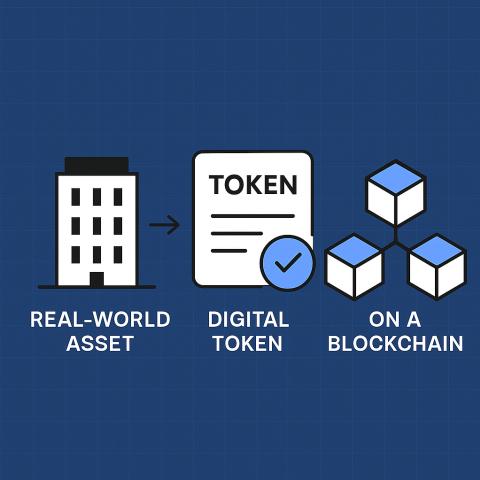
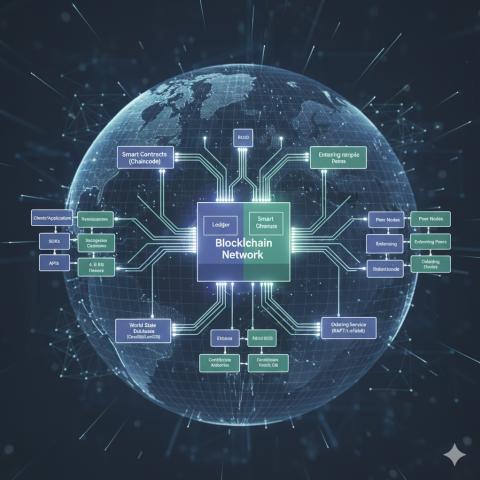
Blockchain technology provides a digital, tamper-proof ledger that records every step of a product’s journey — from its creation to the final sale. For Indian exports, this means every GI-tagged product can carry a verifiable digital history.
Here’s how it works:
-
Product Registration: Each GI-tagged product is assigned a digital ID recorded on a blockchain.
-
Supply Chain Tracking: Every stage — creation, packaging, quality check, and shipment — is added as a verified transaction.
-
Authenticity Verification: Exporters and consumers can scan a QR code or blockchain link to confirm the product’s legitimacy and source.
For example, an international buyer purchasing Pashmina shawls could scan the product’s QR code to confirm its authenticity, origin (Kashmir), and artisan network — all verified through a blockchain record.
Government and Industry Momentum
The Indian government is encouraging digital transformation in export traceability, and blockchain is gradually finding adoption across sectors.
For instance:
-
The Tea Board of India is piloting blockchain for verifying Darjeeling tea origins.
-
Textile and handicraft clusters are exploring digital GI verification to eliminate fake products.
-
Agri-export bodies are testing blockchain for traceability of spices and organic produce.
Such initiatives demonstrate that blockchain is not just a technology — it’s becoming an integral part of India’s export identity.
The Role of Platforms Like Spydra
Platforms such as Spydra are enabling seamless blockchain adoption for export-oriented businesses and government organizations.
With Spydra’s low-code blockchain infrastructure, exporters can:
-
Digitally onboard GI products
-
Create immutable transaction records
-
Automate verification with smart contracts
-
Provide QR-based proof of authenticity to buyers
This combination of automation and transparency reduces paperwork, enhances brand credibility, and simplifies regulatory compliance.
👉 Explore how blockchain protects iconic Indian products like Banarasi Paan and Pashmina Shawls in Spydra’s detailed blog.
Why Authenticity Equals Market Advantage
In the global trade ecosystem, trust is the most valuable currency. Exporters that can prove authenticity command higher prices, better market access, and stronger consumer loyalty.
Blockchain offers Indian exporters a sustainable way to:
-
Build transparent and ethical supply chains
-
Eliminate middlemen manipulation
-
Improve export documentation
-
Align with international traceability standards
A Future of Verified Indian Exports
The future of Indian exports lies in data-backed authenticity.
Imagine a world where every GI-tagged product carries a digital certificate of origin, validated on blockchain — instantly accessible to importers, regulators, and consumers.
With platforms like Spydra leading this transformation, India can set a global benchmark for trust, transparency, and trade integrity — turning “Made in India” into a symbol of verified excellence.