Global commodity markets have long been the backbone of the world economy. From gold and oil to agricultural products and metals, commodities represent tangible value. However, traditional commodity investing often involves high entry barriers, limited liquidity, complex intermediaries, and delayed settlements.
Today, commodities tokenization is redefining how investors access and trade these real-world assets.
What Is Commodities Tokenization?
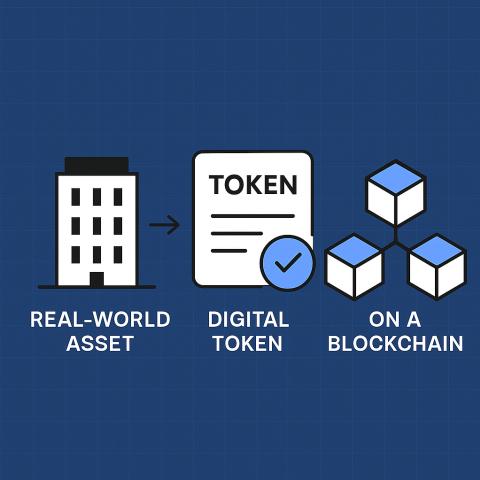
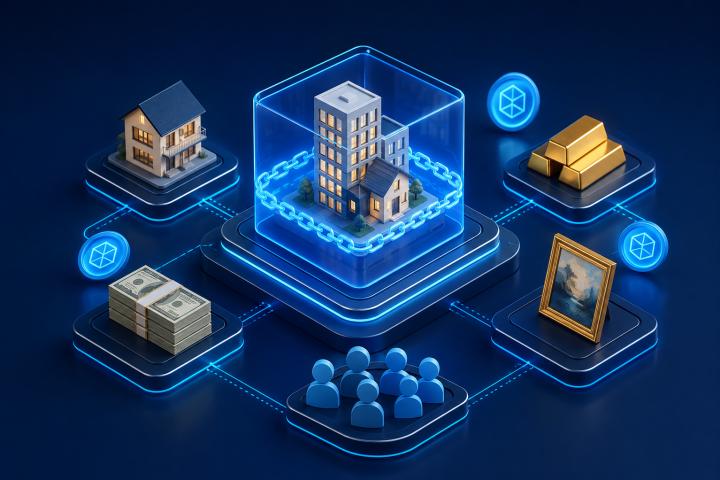
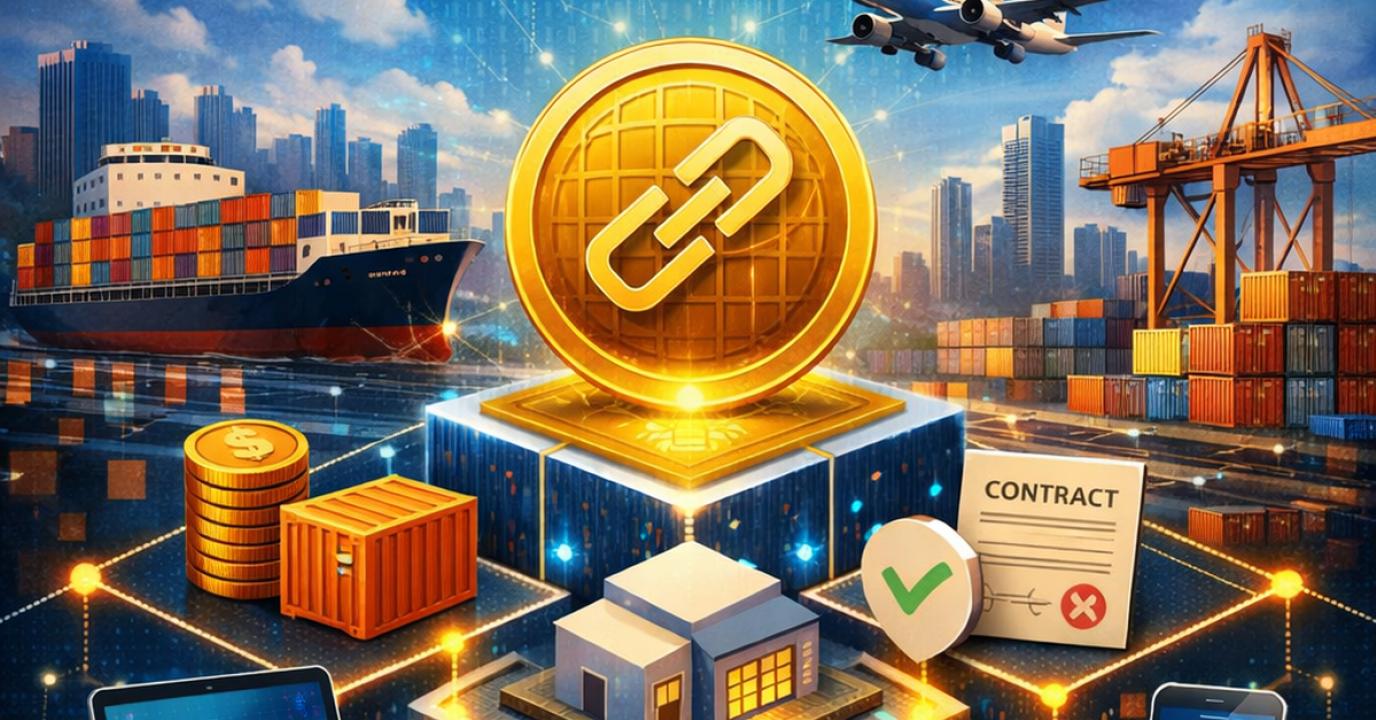
Commodities tokenization refers to the process of converting ownership rights of physical commodities into blockchain-based digital tokens. These tokens represent a fractional or full interest in a commodity such as gold, crude oil, silver, or agricultural goods.
Using distributed ledger technology, tokenization enables:
-
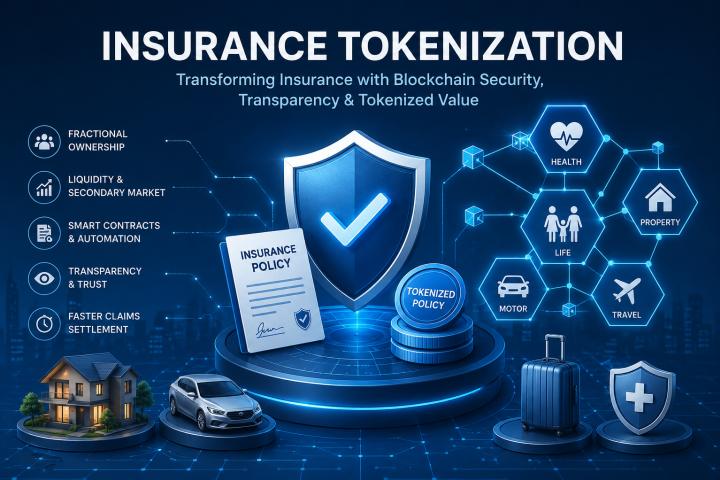
Fractional ownership
-
Improved liquidity
-
Transparent transaction records
-
Faster settlement cycles
-
Reduced operational costs
This digital transformation bridges traditional commodity markets with modern blockchain infrastructure.
Key Benefits of Commodities Tokenization
1. Fractional Access
Investors no longer need to purchase large volumes of physical commodities. Tokenization allows smaller denominations, making commodity investment accessible to retail participants.
2. Enhanced Liquidity
Traditional commodities can be difficult to trade quickly. Tokenized commodities can be exchanged on digital platforms, potentially increasing liquidity.
3. Transparency & Traceability
Blockchain-based records provide immutable audit trails. Every transaction is verifiable, reducing counterparty risk.
4. Smart Contract Automation
Automated execution of agreements reduces manual paperwork, settlement delays, and operational friction.
Real-World Use Cases
-
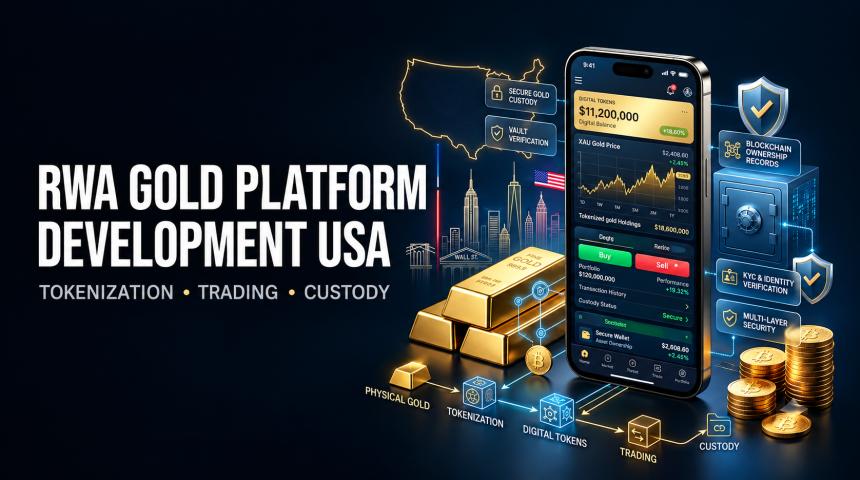
Tokenized gold reserves for digital trading
-
Oil-backed digital tokens
-
Agricultural commodity financing
-
Cross-border commodity settlement
As global trade becomes more digitized, tokenization supports a more efficient infrastructure for commodity markets.
The Future Outlook
Commodities tokenization is positioned to reshape how value is stored, traded, and transferred. As regulatory clarity improves and institutional participation increases, tokenized commodities could become a mainstream financial instrument.
Businesses exploring digital asset infrastructure, real-world asset tokenization, and blockchain integration are likely to drive the next phase of growth in this sector.
Off-Page Blog 2
Why Commodities Tokenization Is Transforming Traditional Markets
The commodities market has historically been dominated by large institutions due to capital intensity and logistical complexity. However, blockchain innovation is introducing a structural shift through commodities tokenization.
By digitizing ownership of physical commodities, tokenization creates programmable, tradable digital assets that mirror real-world value.
Traditional Commodity Investment Challenges
Before tokenization, investors faced:
-
High storage and custody costs
-
Limited fractional ownership options
-
Long settlement cycles
-
Opaque pricing mechanisms
-
Heavy reliance on intermediaries
These inefficiencies often limited participation and slowed transaction processes.
How Blockchain Enables Commodities Tokenization
Blockchain provides a decentralized ledger system that records ownership transparently. When commodities are tokenized:
-
Physical assets are verified and secured.
-
Digital tokens representing ownership are issued.
-
Smart contracts automate compliance and settlement.
-
Tokens can be traded on approved digital platforms.
This structure increases efficiency while maintaining asset-backed credibility.
Advantages for Investors and Businesses
Greater Market Accessibility
Retail investors gain exposure to commodities previously accessible mainly to institutions.
Operational Efficiency
Automation reduces administrative burden and human error.
Global Reach
Tokenized commodities can be traded across borders more seamlessly.
Improved Compliance
Digital records assist with auditing and regulatory reporting.
Emerging Opportunities
Industries seeing potential in commodity tokenization include:
-
Precious metals trading
Energy sector financing
Agricultural exports
Supply chain finance
As digital asset ecosystems mature, tokenized commodities may integrate with decentralized finance (DeFi), traditional exchanges, and institutional trading desks.
Conclusion
Commodities tokenization represents a convergence of physical assets and digital finance. By enhancing liquidity, transparency, and efficiency, it offers a forward-looking model for modern commodity markets.
Organizations adopting blockchain-powered tokenization frameworks today are positioning themselves at the forefront of financial innovation.