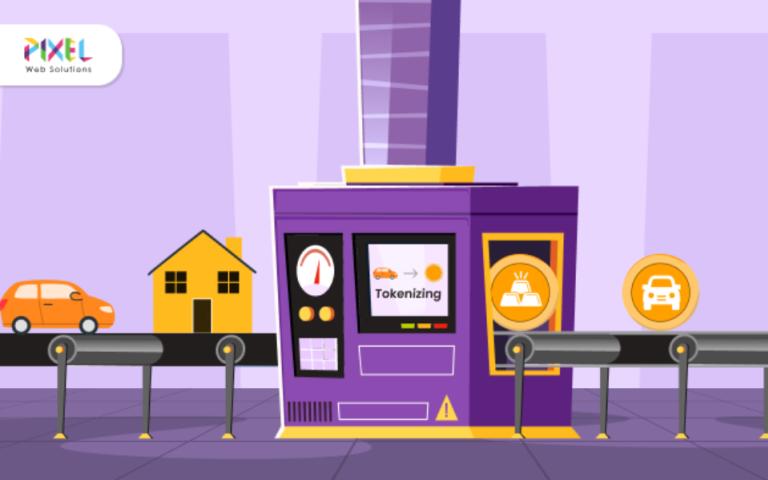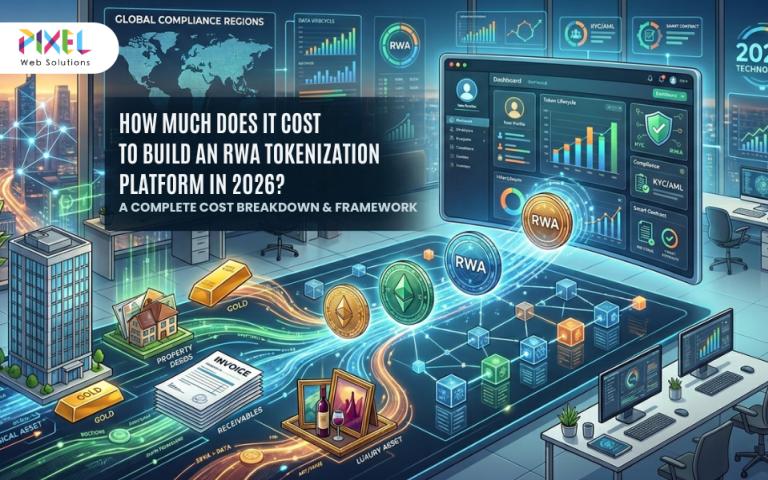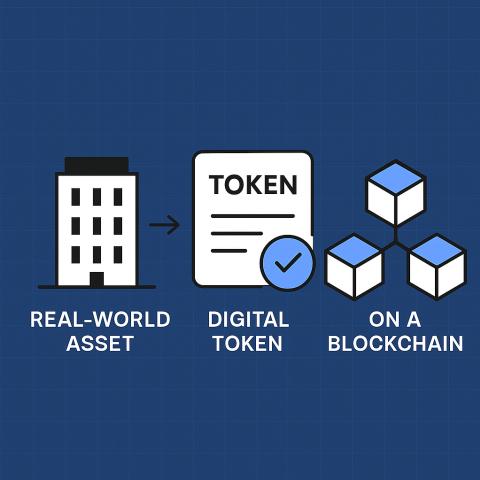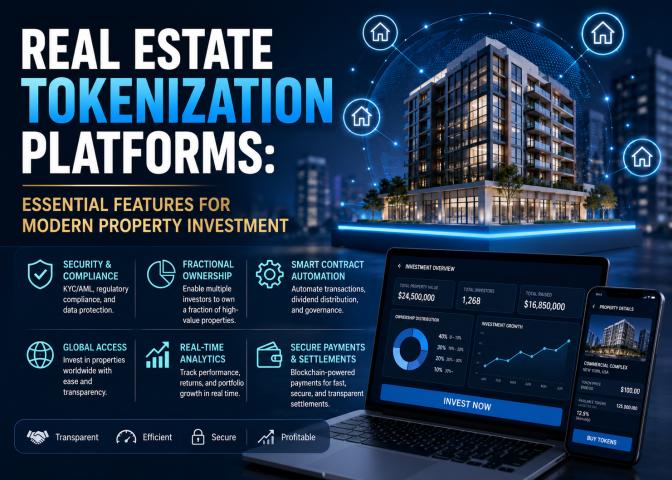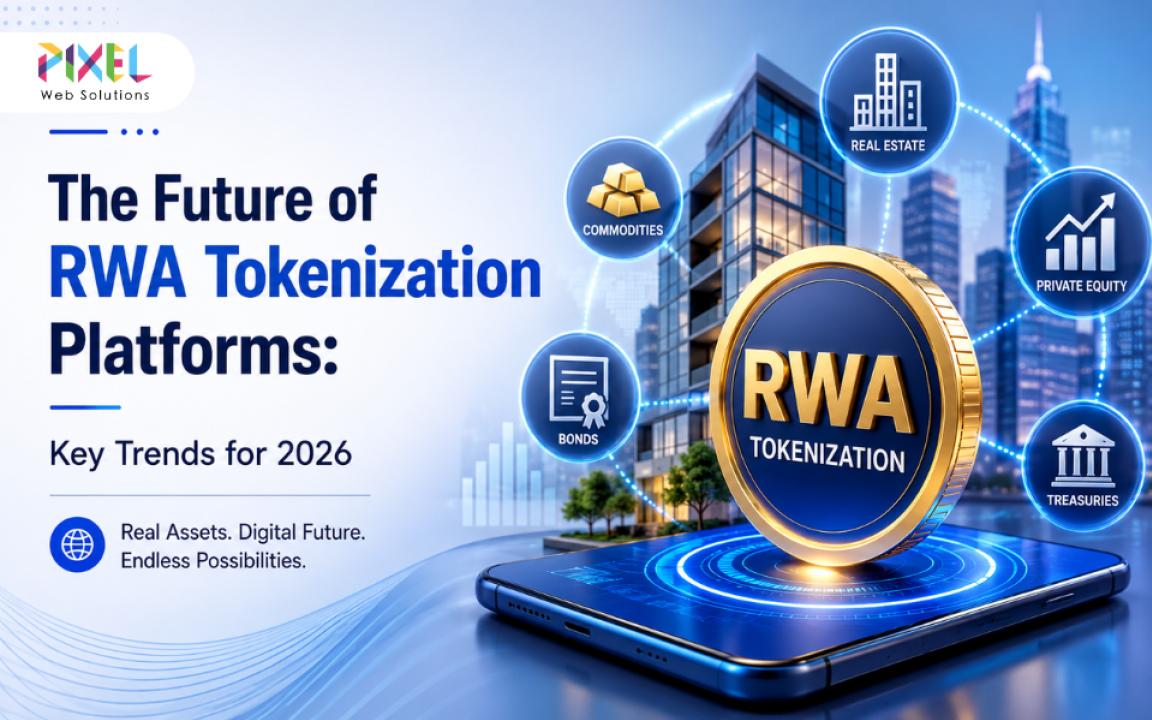
The market for real-world asset (RWA) tokenization is evolving rapidly, creating new opportunities for businesses, investors, and financial institutions. By converting physical and traditional assets into blockchain-based digital tokens, RWA tokenization platforms are making investments more accessible, transparent, and liquid.
As blockchain adoption continues to grow, several innovations are expected to shape the future of the industry. Understanding these trends can help businesses stay ahead in the competitive digital asset landscape.
The Current State of the RWA Tokenization Market
RWA tokenization is gaining momentum across multiple sectors, including real estate, private equity, commodities, and fixed-income assets. The technology enables fractional ownership, allowing investors to participate in high-value assets with lower capital requirements.
Key benefits of RWA tokenization include:
Increased asset liquidity
Fractional ownership opportunities
Enhanced transparency through blockchain
Reduced transaction costs
Global investor participation
These advantages are driving the widespread adoption of asset tokenization platforms worldwide.
Key Trends Shaping the Future of RWA Tokenization Platforms in 2026
Institutional Investors Are Accelerating Adoption
Traditional financial institutions are increasingly recognizing the value of tokenized assets.
Key developments include:
Greater participation from banks and asset managers
Increased liquidity in tokenized markets
Stronger market credibility and trust
Demand for enterprise-grade security and compliance
Institutional involvement is expected to be a major growth driver for the RWA tokenization market in 2026.
Expansion Into New Asset Classes
While real estate remains a dominant use case, tokenization is expanding into a wider range of assets.
Emerging asset categories include:
Government bonds and treasuries
Private equity funds
Carbon credits
Intellectual property rights
Luxury collectibles and fine art
This diversification is creating new investment opportunities and attracting a broader investor base.
Regulatory Clarity Is Strengthening Market Confidence
As governments develop clearer digital asset regulations, investor confidence is expected to increase.
Benefits of improved regulations include:
Better investor protection
Standardized compliance requirements
Reduced legal uncertainty
Increased institutional participation
Platforms that prioritize regulatory compliance will be better positioned for long-term growth.
AI-Powered Features Are Enhancing Platform Efficiency
Artificial intelligence is becoming an important component of modern tokenization platforms.
AI-driven capabilities include:
Automated asset valuation
Risk assessment and analysis
Investor behavior insights
Portfolio optimization recommendations
The integration of AI can improve efficiency while delivering a better user experience.
Cross-Chain Interoperability Is Becoming Essential
Blockchain fragmentation remains a challenge for the tokenization industry. Interoperability solutions are helping platforms overcome these limitations.
Key advantages include:
Seamless asset transfers across networks
Improved market liquidity
Expanded investor access
Greater flexibility for asset issuers
Cross-chain functionality is expected to become a standard feature of next-generation RWA tokenization platforms.
Yield-Bearing RWAs Are Gaining Popularity
Investors are increasingly seeking assets that generate predictable returns.
Popular yield-generating tokenized assets include:
Treasury-backed products
Government bonds
Income-producing real estate
Private credit investments
These assets combine the benefits of blockchain technology with stable income opportunities, making them attractive to both retail and institutional investors.
Security and Smart Contract Reliability Are Top Priorities
As the value of tokenized assets grows, security remains a critical focus area.
Important security measures include:
Comprehensive smart contract audits
Real-time threat monitoring
Decentralized identity verification
Advanced compliance tools
Strong security frameworks help build trust and encourage long-term platform adoption.
User Experience Is Driving Mainstream Adoption
A seamless user experience is essential for attracting new investors.
Key platform improvements include:
Simplified onboarding processes
Mobile-friendly interfaces
Wallet abstraction technologies
Faster and more intuitive transactions
Platforms that prioritize usability will be better positioned to achieve mass adoption.
How Businesses Can Prepare for the Future
To remain competitive in the evolving market, businesses should focus on:
Building scalable infrastructure
Ensuring regulatory compliance
Implementing advanced security measures
Supporting multiple asset classes
Integrating AI-powered capabilities
Enabling cross-chain interoperability
Working with an experienced RWA tokenization platform development company can help businesses create secure, compliant, and future-ready solutions that meet market demands.
Conclusion
The future of RWA tokenization platforms will be shaped by institutional adoption, regulatory advancements, AI integration, interoperability, enhanced security, and improved user experiences. As these innovations continue to transform the market, businesses that adapt early will be better positioned to capitalize on the growing demand for tokenized real-world assets.
With 2026 set to be a landmark year for the industry, now is the ideal time to explore the opportunities offered by RWA tokenization and prepare for the next generation of digital asset investment.