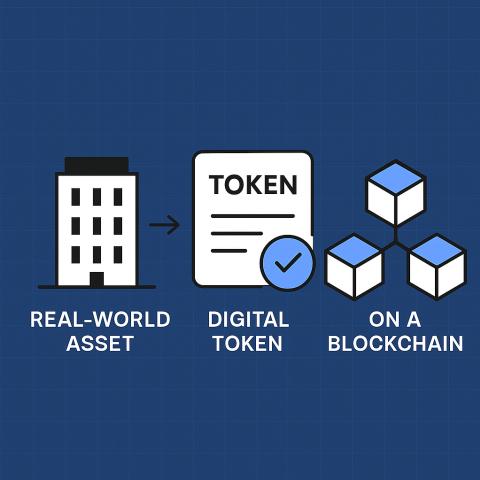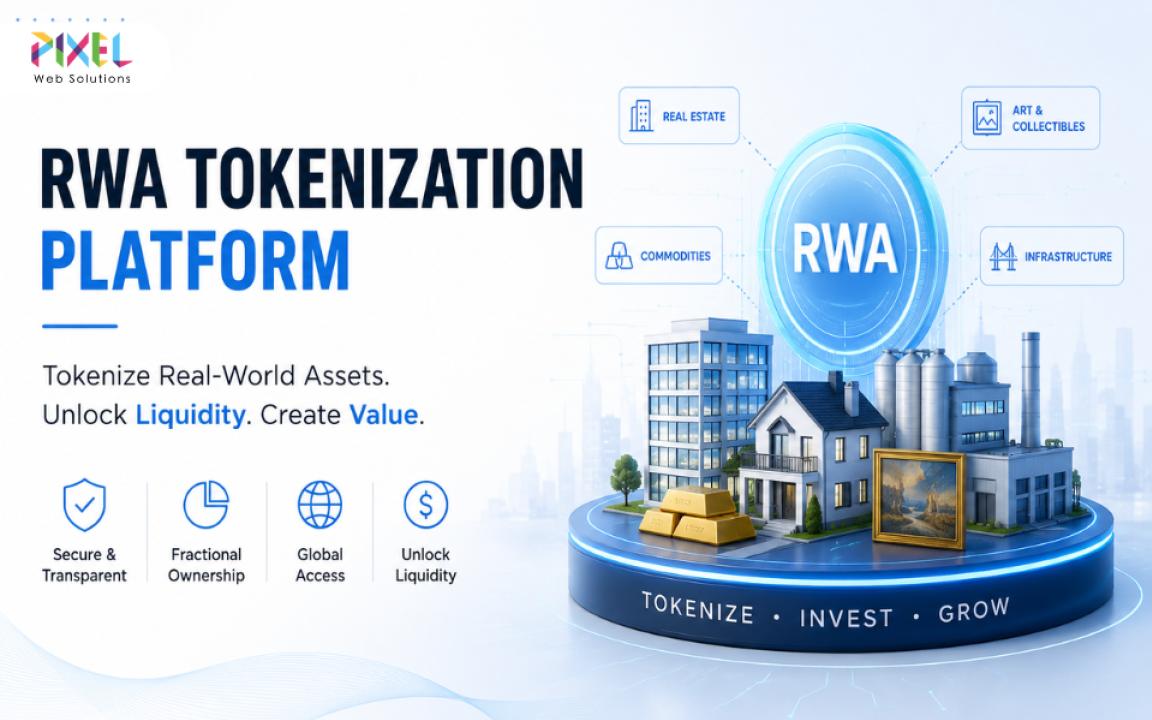
Real world asset (RWA) tokenization is kind of reshaping the way businesses handle, exchange, and monetize physical things as well as financial ones. When ownership rights get converted into blockchain based digital tokens, companies can unlock liquidity , strengthen visibility, and tap into a wider group of investors. And as blockchain adoption keeps growing across multiple sectors, more organizations are looking at an RWA tokenization platform to modernize how they manage assets and also to generate fresh revenue paths.
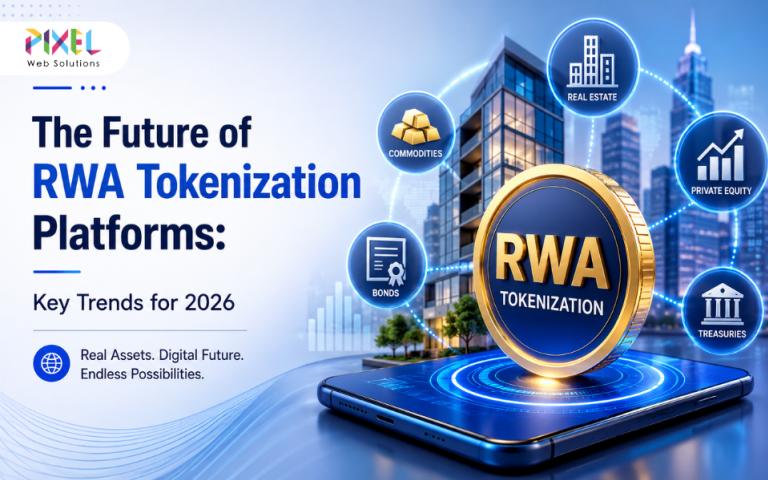
Whether you are talking about real estate, commodities, art, private equity, or intellectual property, an RWA tokenization platform can help shift traditionally hard-to-sell assets into investments that are more or less digitally tradable. Still though, why exactly are so many businesses putting money into this tech? Let's explore a bit.
What Is an RWA Tokenization Platform?
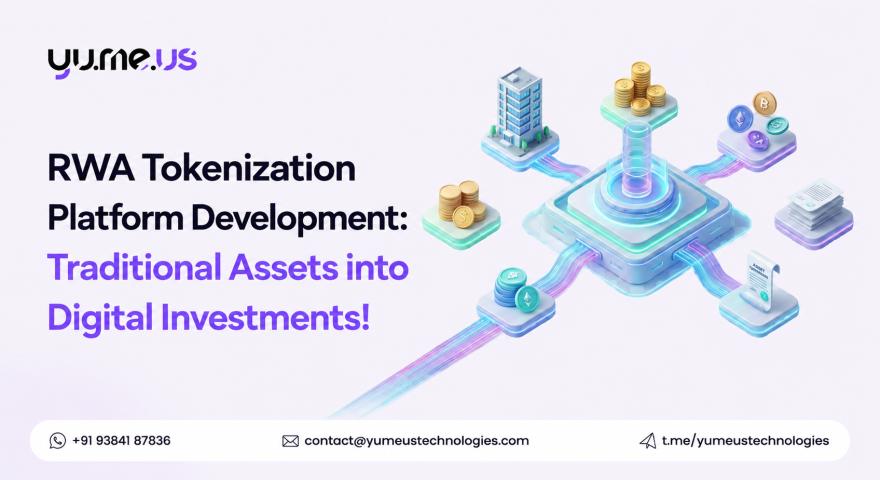
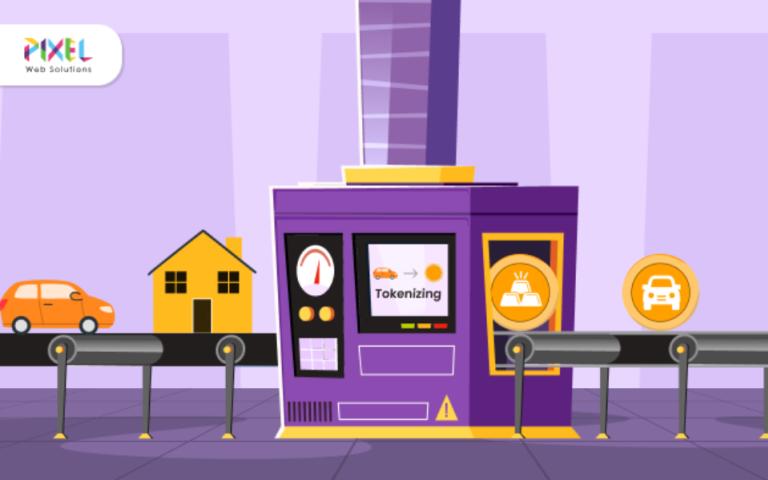
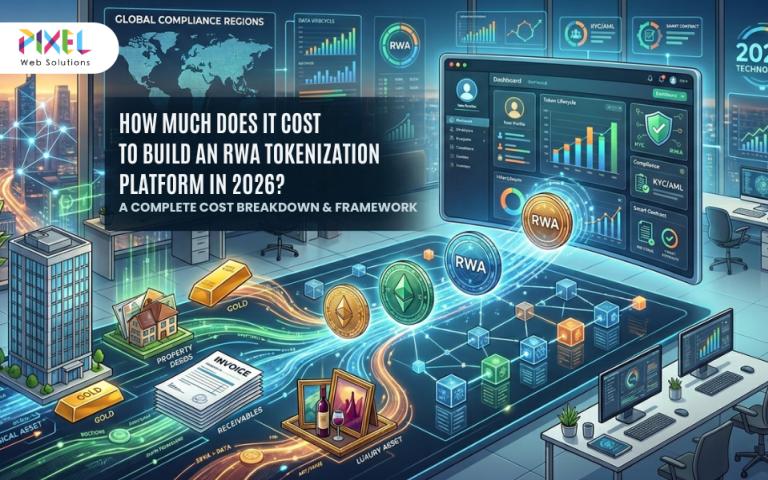
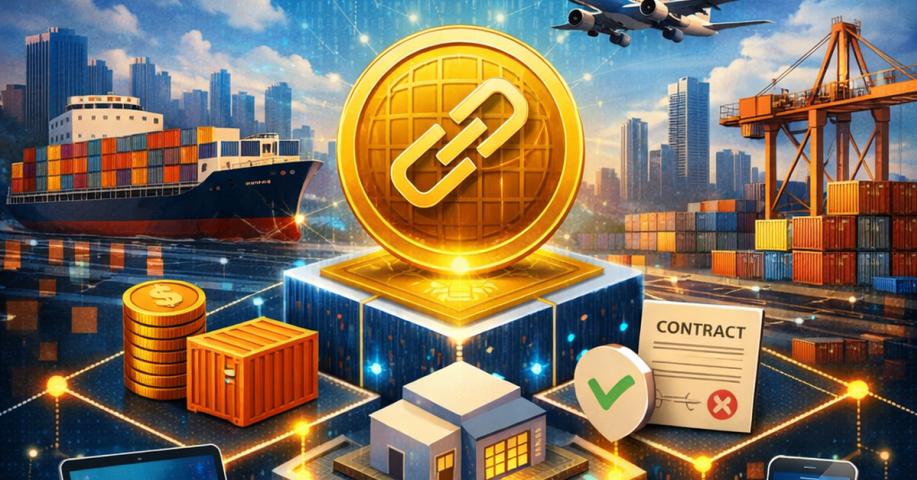
An RWA tokenization platform is a blockchain-based solution that converts ownership of real-world assets into digital tokens. Each token represents a share or ownership interest in an asset, allowing it to be securely managed, transferred, or traded on blockchain networks.
These platforms simplify asset issuance, ownership tracking, compliance management, and investor onboarding while reducing the need for multiple intermediaries.
Why Do Businesses Need an RWA Tokenization Platform?
Businesses are adopting RWA tokenization platforms because they solve many challenges associated with traditional asset management.
Improved Asset Liquidity
Assets like real estate, private equity, and fine art are often difficult to trade. Tokenization enables these assets to be divided into smaller digital units, making buying and selling more efficient while unlocking liquidity.
Fractional Ownership
An RWA tokenization platform allows businesses to split high-value assets into multiple digital shares. This lowers the investment barrier and attracts a wider range of investors without requiring full ownership of the asset.
Greater Transparency
Blockchain records every transaction on an immutable ledger, providing clear ownership history and improving trust among businesses, investors, and stakeholders.
Faster Transactions
Traditional asset transfers often involve multiple intermediaries and lengthy settlement periods. Tokenization streamlines the process, enabling quicker ownership transfers and faster settlements.
Lower Operational Costs
By automating processes through smart contracts, businesses can reduce paperwork, manual verification, and administrative expenses while improving operational efficiency.
Global Investment Opportunities
Tokenized assets can reach investors beyond geographical boundaries, allowing businesses to expand their fundraising potential and access a broader investment community.
Key Features of an RWA Tokenization Platform
A modern RWA tokenization platform typically includes:
Asset token creation and management
Smart contract automation
Investor onboarding with KYC/AML support
Digital wallet integration
Multi-chain blockchain compatibility
Compliance management
Ownership tracking
Admin dashboard and analytics
These features help businesses manage tokenized assets securely and efficiently throughout their lifecycle.
Business Benefits of RWA Tokenization
Implementing an RWA tokenization platform offers several long-term advantages:
Improved access to capital through fractional investments
Better liquidity for traditionally illiquid assets
Enhanced transparency and investor confidence
Faster and more efficient asset transactions
Reduced operational complexity through automation
For businesses planning to adopt this technology, partnering with an experienced RWA tokenization platform development company such as Pixel Web Solutions can help streamline development while ensuring the platform is secure, scalable, and aligned with business objectives.
Conclusion
An RWA tokenization platform enables businesses to digitize valuable assets, improve liquidity, simplify ownership management, and attract a wider investor base. As tokenization continues to reshape global finance, businesses that embrace this technology can unlock new investment opportunities and build a more efficient, transparent, and future-ready asset ecosystem.