Imagine a beautiful, empty concert hall. Now, imagine filling it with a thousand people. Surprisingly, the hall often sounds better when it's full. Why? Because the audience themselves, with their varied shapes and textures, break up the sound waves. They are, in a sense, living sound diffusers.
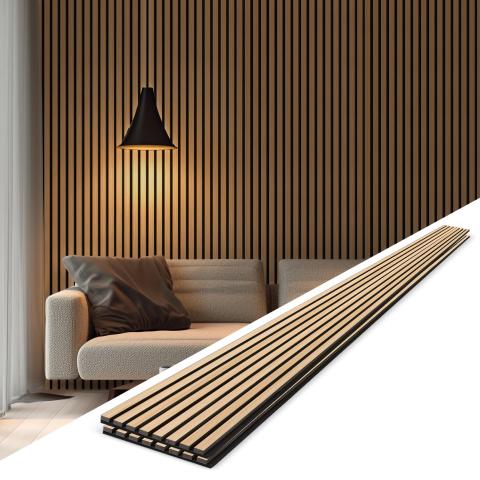
This is the exact principle behind a wood acoustic diffuser. These are not mere decorations; they are meticulously engineered instruments for your walls, designed to sculpt the air itself.
They take the chaotic energy of noise and transform it into a pure, clear listening experience. But how does a simple panel of timber achieve such a feat? The answer lies at the fascinating intersection of nature's beauty and mathematical precision.
Beyond Absorption: The Science of Scattering
Most people are familiar with foam panels that soak up sound like a sponge. But a room with only absorbers can feel unnaturally dead and sterile, almost as if the air has been sucked out. This is where diffusion comes in. While absorption removes sound energy, diffusion redistributes it.
A wood acoustic diffuser doesn't kill sound; it scatters it evenly throughout a space. Think of a flashlight beam hitting a mirror versus hitting a lumpy, textured rock. The mirror creates a single, harsh glare. The rock scatters the light softly, illuminating the whole area. That's the job of a diffuser.
More…
This is the core purpose of acoustic wood panels. They tackle problematic reflections, those sharp, bouncing echoes that create "hot spots" and muddy the original signal. By breaking up these reflections, they preserve the energy and liveliness of a room while eliminating the distortion.
The Mathematical Magic: From Number Sequences to Sonic Sculptures
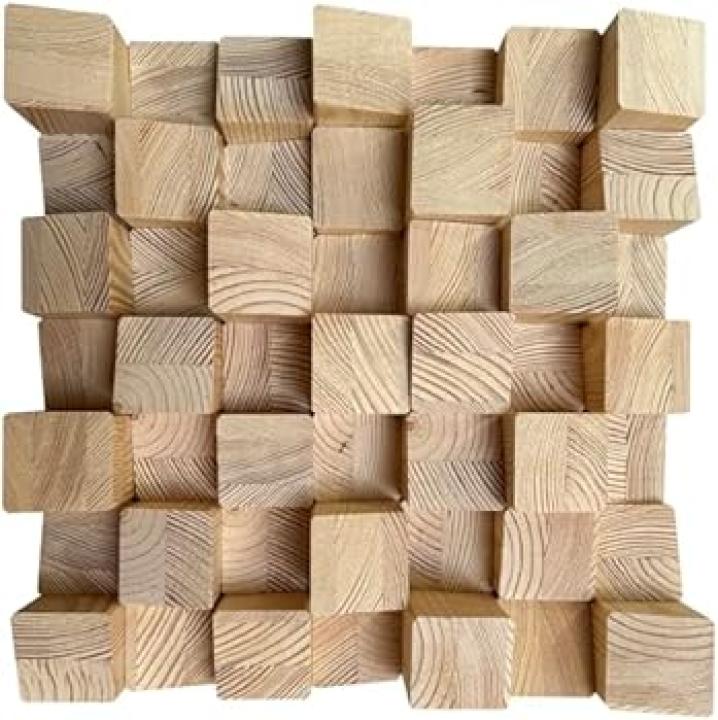
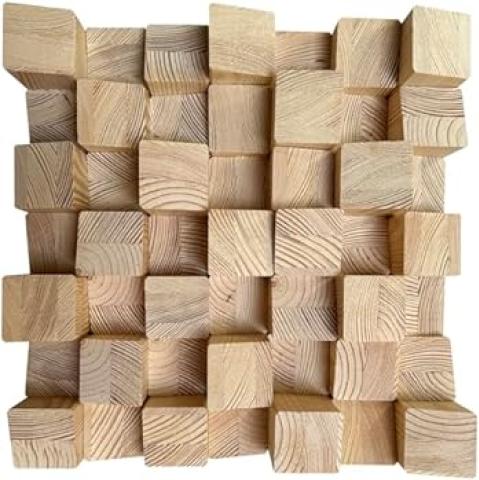
So, how do you design something to scatter a sound wave? You can't just throw wood on a wall randomly. The design of an effective wood acoustic diffuser is rooted in mathematical sequences that determine the depth and arrangement of the wells on its surface.
The most famous of these is the Quadratic Residue Sequence. Without getting lost in complex equations, imagine a sequence of numbers that creates a perfectly irregular pattern. This calculated irregularity is the genius behind it. When a sound wave hits the diffuser, different parts of the wave enter wells of different depths.
Each well traps the sound for a minuscule, unique amount of time before reflecting it back out. This transforms one powerful, coherent reflection into dozens of tiny, weaker reflections that spray out in many directions over a tiny period of time.
The result?
That single, annoying slap-back echo is broken down into a smooth, seamless spread of acoustic energy. This is what gives professionally treated rooms their sense of spaciousness and clarity. It’s why the acoustic timber panels in a recording studio allow the engineer to hear the "truth" of the music.
A Point to Remember!
The effectiveness of a diffuser is frequency-dependent. Lower, bassier sounds have longer wavelengths and require deeper wells to affect them. This is why you often see very deep, bulky diffusers in mastering rooms, while thinner, shallower acoustic wood wall panels are perfect for treating mid and high-frequency issues in home theaters and offices.
The Aesthetic Advantage: Where Form Meets Function
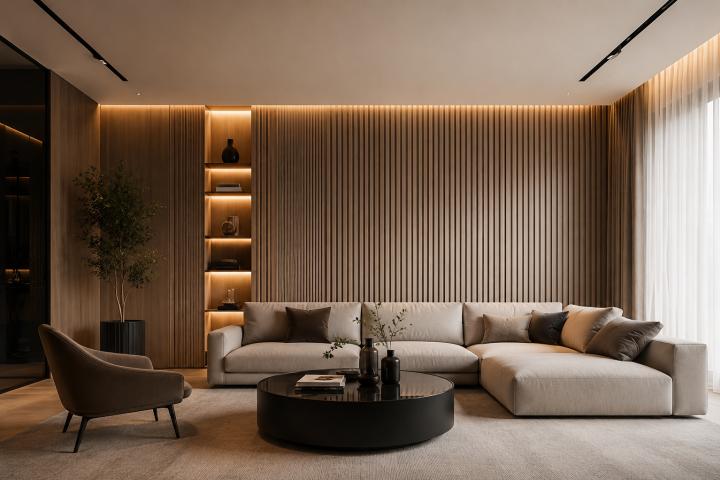
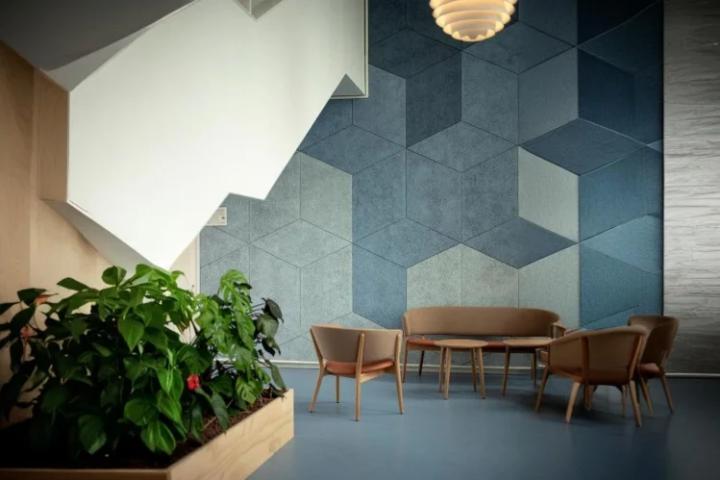
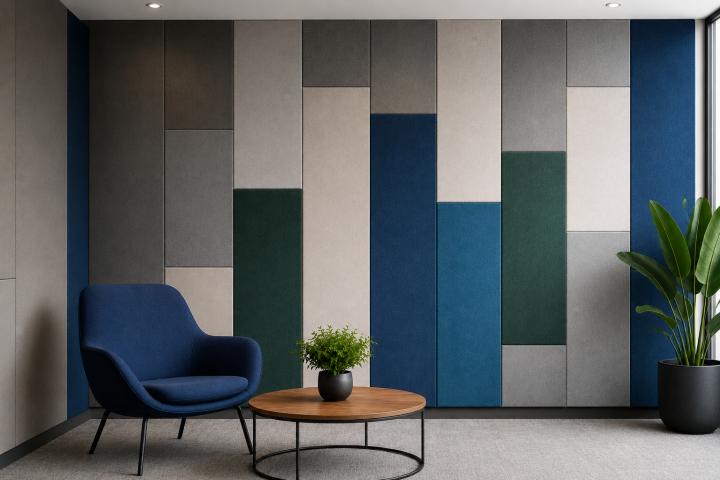
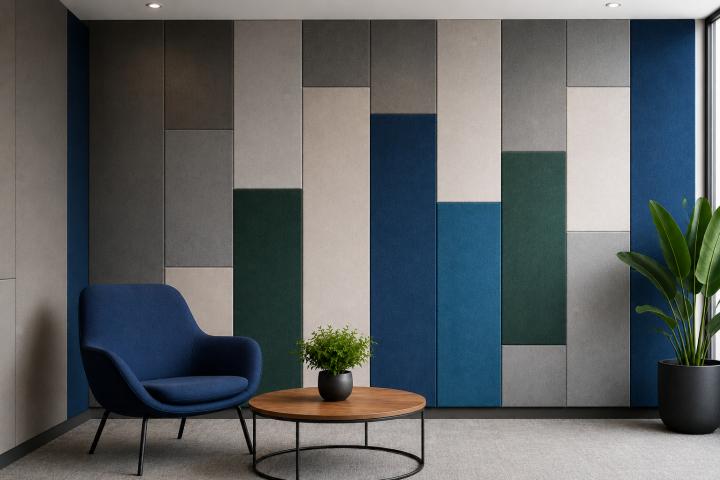
This is where the magic truly happens for interior design. The mathematical sequences that make diffusion work also create visually captivating patterns. The well depths can be arranged to form everything from classic, pyramid-like structures to flowing, fractal waves and modern geometric art.
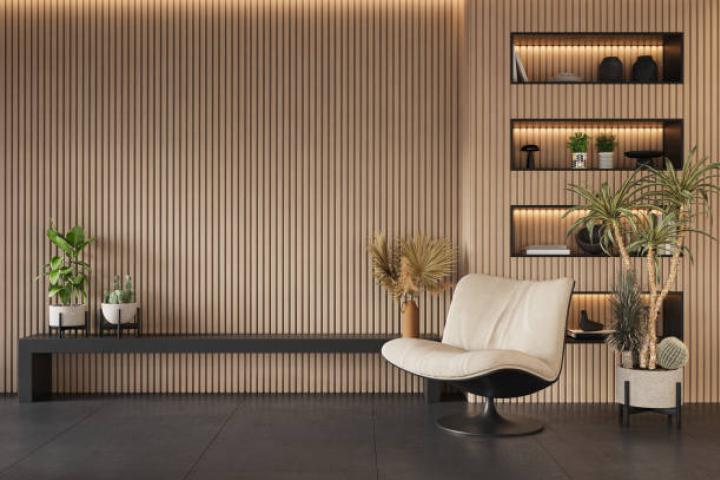
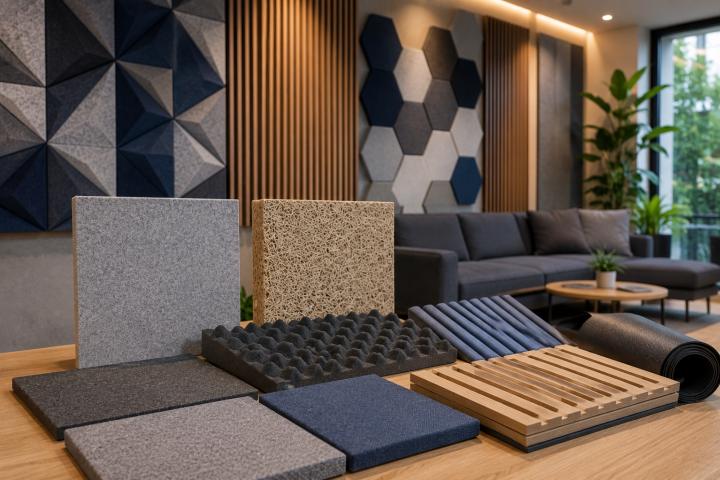
This transforms a functional necessity into a stunning design element. Wooden acoustic panels are no longer something to hide. They become a central feature of a room’s aesthetic. The rich, natural grain of the wood, combined with the shadow-play created by the textured surface, adds warmth and depth that foam or fabric simply cannot match.
Why Wood is the Ideal Medium?
1. Structural Integrity: Wood is rigid enough to cleanly reflect and scatter sound waves without the unwanted flex or resonance that softer materials might cause.
2. Natural Warmth: The organic texture of acoustic timber panels introduces a psychological warmth that makes a space feel more inviting, complementing the acoustic warmth they create.
3. Design Versatility: From rustic reclaimed barnwood to sleek, white-washed oak, wood can be finished to match any design ethos, making acoustic wood paneling a versatile choice for any space, from a corporate boardroom to a home music studio.
A Guide to Placing Your Acoustic Art
You can't just cover every wall and expect perfect sound. Placement is a strategic game. The goal is to target the "first reflection points"—the places on your walls, ceiling, and floor where sound from your speakers bounces directly to your listening position.
The Mirror Trick: A simple way to find these spots is to have a friend slide a mirror along the wall while you sit in your primary listening or viewing spot. The places where you can see the reflection of your speakers are your first reflection points. Installing your acoustic wood wall panels here will yield the most dramatic improvement.
Strategic Zones for Installation
1. The Back Wall: Directly behind your listening position is a prime location for a wood acoustic diffuser. Placing absorbers here can make the room feel dead, but a diffuser will create a sense of spaciousness and envelopment.
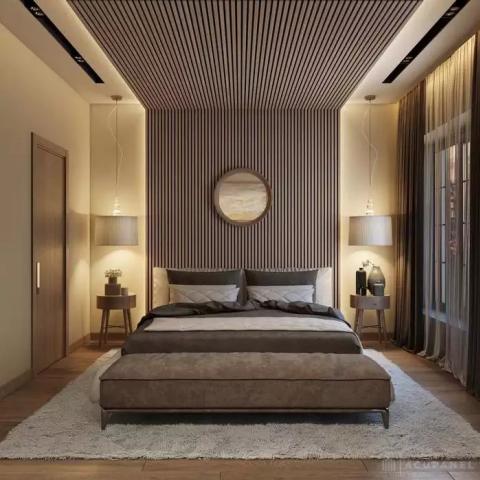
2. The Ceiling (Cloud): Hanging a diffuser on the ceiling above the listening area, known as a "cloud," is incredibly effective at breaking up reflections between the floor and ceiling, further clarifying the sound.
3. The Front Wall: While often home to absorptive panels, using diffusers on the front wall can widen the "sweet spot" and enhance the sense of acoustic depth.
An Insight for the Curious
The principles behind these panels aren't new. Ancient Greek and Roman amphitheaters used stepped, segmented architecture, essentially giant stone diffusers, to project sound to the back rows. Today, we've simply miniaturized and refined that ancient wisdom, bringing the mathematical architecture of grand performance spaces into our personal environments.
The Final Movement
Investing in acoustic wood paneling s an investment in the quality of your sonic environment. It’s a decision to move beyond simply making a room quiet and toward making it right. These panels are more than just treatment; they are functional art. They represent a deep understanding that our spaces should engage all our senses.
By harnessing the timeless beauty of wood and the predictable power of mathematics, a wood acoustic diffuser does more than just manipulate sound waves; it brings a fundamental clarity and richness to the music, movies, and conversations that fill our lives. It’s the invisible craftsman, quietly ensuring that what you hear is pure, authentic, and truly beautiful.