You know that feeling. You lean against an interior wall in your home or office and give it a gentle tap. Instead of a solid thud, you hear a hollow, almost empty echo. That sound is the telltale sign of a wall cavity. It is the hidden space between the wooden or metal studs, a secret world behind your drywall that usually contains nothing but air, and maybe a few electrical wires or pipes.
Introduction
For many people, discovering this emptiness is the moment they understand why they can hear their neighbor’s television so clearly or why every footstep from the room above sounds like a thunderclap. An empty wall cavity acts like a drum. The drywall is the drum skin, and the air inside is the chamber that carries and amplifies sound vibrations. To stop the drum from sounding, you need to fill that space with something that disrupts the vibration and absorbs the energy. That is where the magic of sound insulation comes into play.
Let us talk about your main options for tackling this problem. We will explore three popular solutions: pumping in special foam, attaching dense sheets, and using an acoustic spray. Each has its own strengths, ideal applications, and methods of installation. Understanding the difference is the key to choosing the right tool for your particular noise problem.
The Filling Station: Using Sound Insulation Foam
Imagine you have a precious, fragile item to ship. You would not just toss it into a giant cardboard box and hope for the best. You would pack it tightly with a soft, expanding material that fills every nook and cranny, holding the item securely and preventing it from rattling around. Sound insulation foam works on a very similar principle for your walls.
This material is not the same as the egg-crate >
What’s the Primary Job of a Foam?
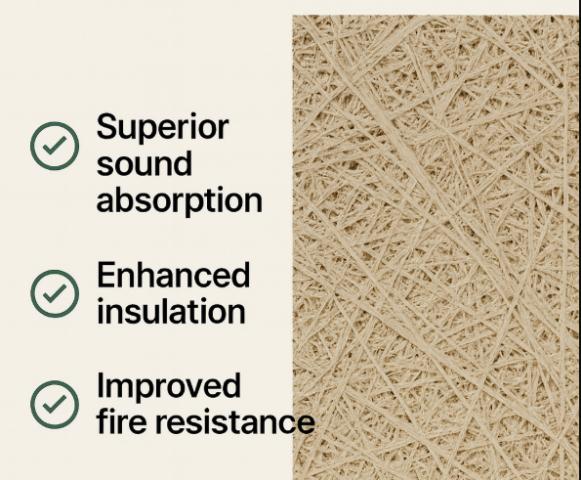
The primary job of this foam is to act as a sound absorber. Its open-cell formation is like a microscopic jungle gym for sound waves. As sound energy tries to pass through, it gets lost in this complex maze, and its kinetic energy is converted into negligible amounts of heat. This process is called damping. It effectively prevents sound from having a clear, empty pathway to travel through.
Installing this type of insulation is a job for professionals. They will drill a series of small, strategic holes in the drywall between the wall studs. Using specialized equipment, they then pump the liquid foam into the cavity. They watch carefully as it expands to fill the entire space, from top to bottom and side to side. Once the foam has set, the holes are patched and made good, leaving no trace of the work except for a much quieter environment.
This solution is fantastic for existing walls where you do not want the mess and expense of completely removing the drywall. It is particularly effective against airborne noises like conversations, television audio, and music. It transforms that hollow drum into a solid, packed block.
The Layered Approach: Installing Sound Insulation Sheets
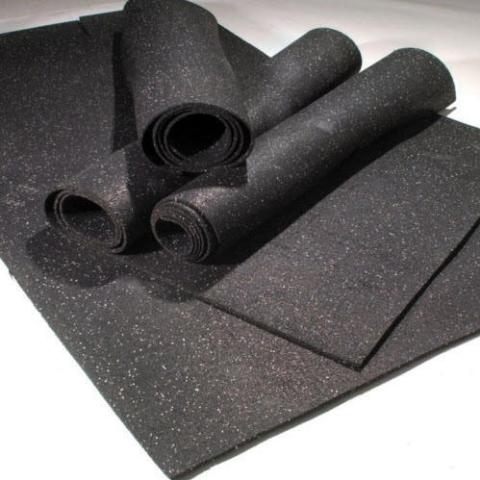
Now, let us consider a different strategy. Instead of filling the cavity, what if you built a heavier, more massive barrier in front of it? This is the philosophy behind sound insulation sheets. Also known as acoustic drywall or mass-loaded vinyl, this method is all about adding sheer weight to your wall assembly.
Think of it like this: if a feather is tossed by a breeze, a brick wall is not. Sound is a pressure wave, a physical vibration. It has a much harder time setting a heavy, dense material into motion compared to a light, flimsy one. Sound insulation sheets are specifically engineered to be incredibly dense for their thickness. They are the brick wall in our analogy.
More…
These panels are typically made from a vinyl composite that is loaded with weighty minerals. They are not very thick, often resembling a flexible rubber mat, but they are surprisingly heavy. They work purely by adding mass, a principle known as Mass Law in acoustics. Simply put, the heavier a wall is, the better it blocks sound from transmitting through it.
Installation of these sheets is a more involved process that usually happens during new construction or a major renovation. The most effective method is to attach them directly to the wall studs before the final layer of standard drywall goes up. You can also add them over existing drywall if you are willing to lose a small amount of floor space. The sheets are unrolled and fastened securely, and all seams are meticulously sealed with acoustic tape. Then, a new layer of drywall is installed over the top, creating a massive, multi-layered wall system.
This approach is a powerhouse for blocking impact noise, like the sound of footsteps or furniture dragging, as well as low-frequency sounds such as a bass guitar. It creates a formidable obstacle that sound waves struggle to penetrate. The downside is the labor intensity and the permanent reduction in room dimensions, but for ultimate noise control, it is a top-tier solution.
The Seamless Blanket: Applying Acoustic Spray Foam
This option has a name that often causes confusion, so it is important to distinguish it clearly. Acoustic spray foam is a cousin to the sound insulation foam we discussed first, but it serves a slightly different primary purpose and has a distinct composition.
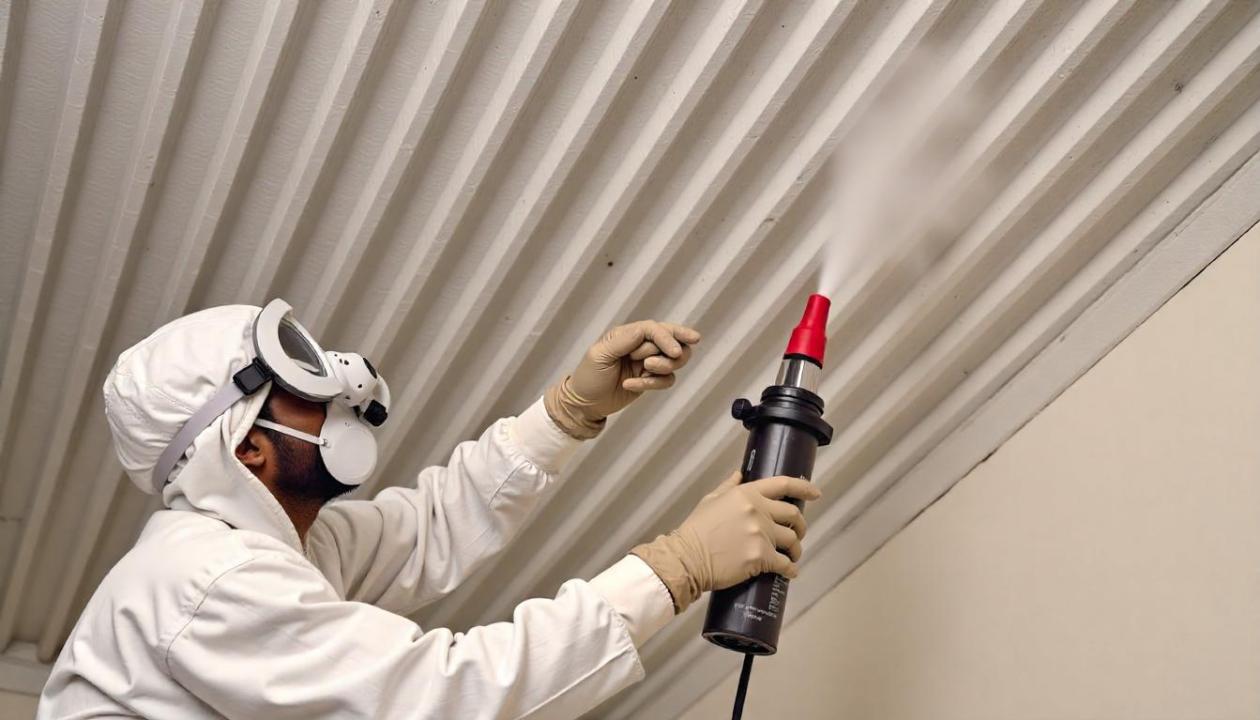
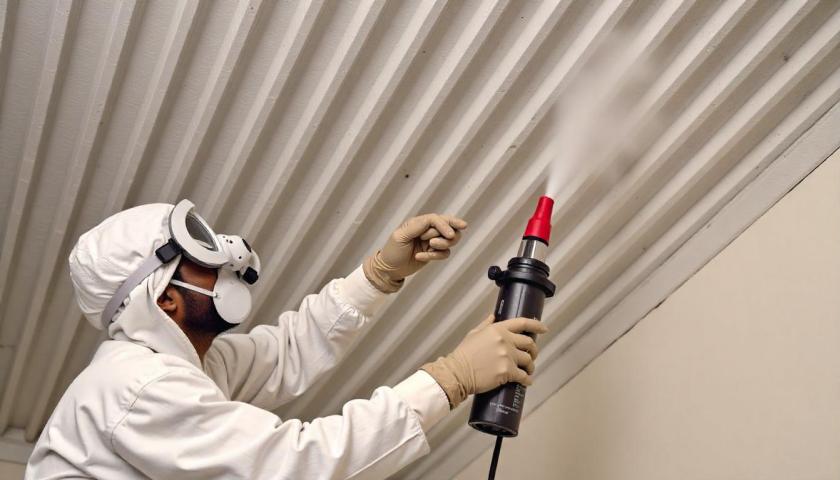
Picture a fluffy, non-itchy insulation like fiberglass batts. Now, imagine that material could be blown into a wall cavity in a soft, loose-fill form that perfectly adapts to every obstacle. That is the essence of acoustic spray insulation. It is typically made from dampened cellulose or mineral wool fibers that are sprayed into the cavity using a hose and a powerful machine. It creates a seamless, gap-free blanket of insulation.
While it does add some mass, its main acoustic benefit comes from its ability to completely eliminate air gaps and its excellent sound-absorbing properties. It is like putting a thick, dense winter coat on the inside of your wall. The material is very effective at trapping sound vibrations within its fibrous matrix.
More…
The application process for this method is similar to that of the injected foam. Professionals drill holes and use a blowing machine to fill the cavity completely. The material is packed to a specific density to ensure optimal performance. It is a very thorough way to insulate, and because it is soft, it poses no risk of expanding and putting pressure on the drywall, a concern sometimes associated with certain expanding foams.
This type of spray is an excellent all-arounder. It provides a significant boost to soundproofing by damping vibrations and absorbing noise, and it also offers tremendous thermal insulation benefits. If you are looking to make your home both quieter and more energy efficient in one go, this can be a very compelling choice. It is a fantastic solution for retrofitting older homes that were built with empty, uninsulated wall cavities.
Making the Right Choice for Your Home
So, how do you decide which path to take? The best choice depends entirely on the kind of noise you are fighting, the construction of your building, and your budget.
If you are dealing with an existing finished wall and your main complaint is voices and general household noise from next door, injected sound insulation foam is a brilliant and minimally invasive fix. It is the go-to solution for stopping sound from traveling between apartment units or adjoining townhouses.
If you are building a new room, a home theater, or you are undergoing a major remodel, and you want the absolute best defense against all types of noise, including loud music and heavy footsteps, then incorporating sound insulation sheets into your wall design is the gold standard. It builds performance right into the structure itself.
If you have an older property with no existing insulation and you want to improve both the sound and the temperature control, acoustic spray foam offers a wonderful balance of acoustic and thermal benefits. It is a comprehensive way to upgrade the comfort of your living space.
Last Words
Before you start any project, it is always wise to consult with a professional acoustic consultant or an experienced insulation contractor. They can perform an assessment to identify the primary paths the sound is taking and recommend the most effective and cost-efficient solution for your specific situation.
Discovering a hollow wall does not have to be a sentence to a life of noise. That empty space is actually an opportunity. By thoughtfully filling it with the right material, you can transform your environment. You can replace the distracting hum of the outside world with the peaceful quiet you deserve. It is about turning your home from a mere shelter into a true sanctuary, one wall at a time.