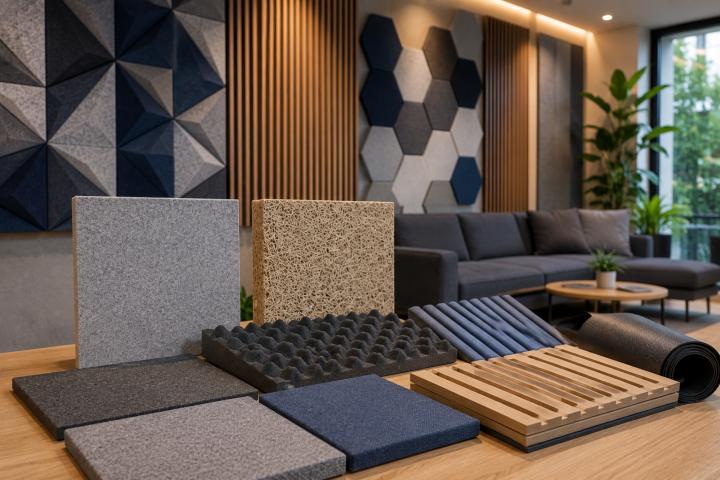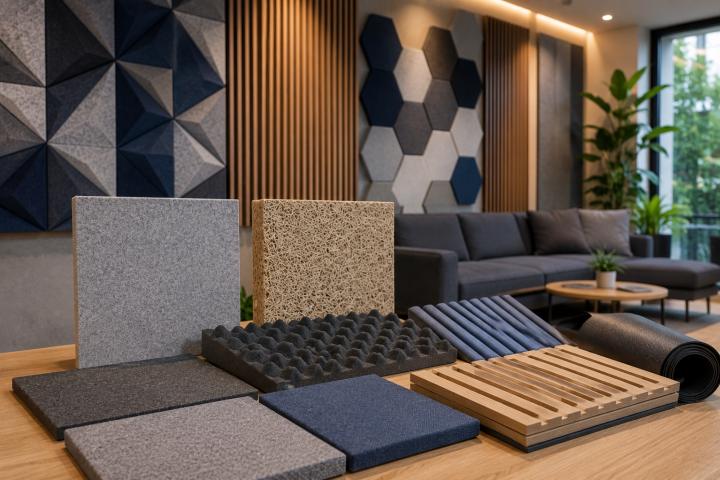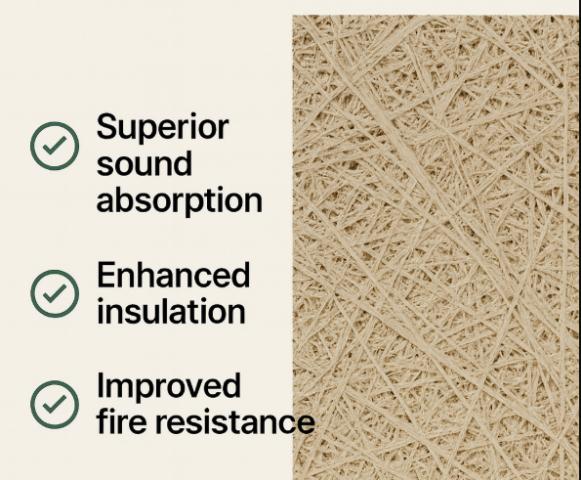

When evaluating sound solutions, most professionals think of acoustic treatment materials like panels, baffles, or tiles. Yet, a growing option—acoustic spray paint—is catching attention. This innovative acoustic material blends aesthetics with function by coating surfaces to absorb sound. Instead of a standard list, this blog uses a structured “decision journal” format, exploring each stage of consideration. By the end, you’ll have a clear perspective on whether spray-based treatments are suitable for your project.
Understanding Acoustic Spray Paint in Context
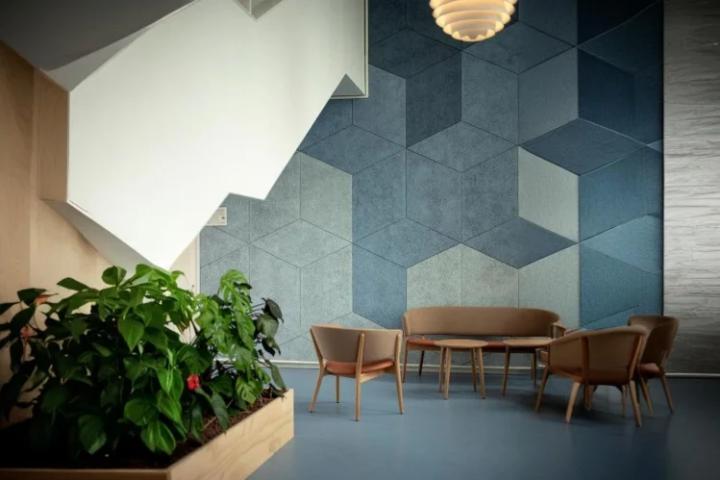
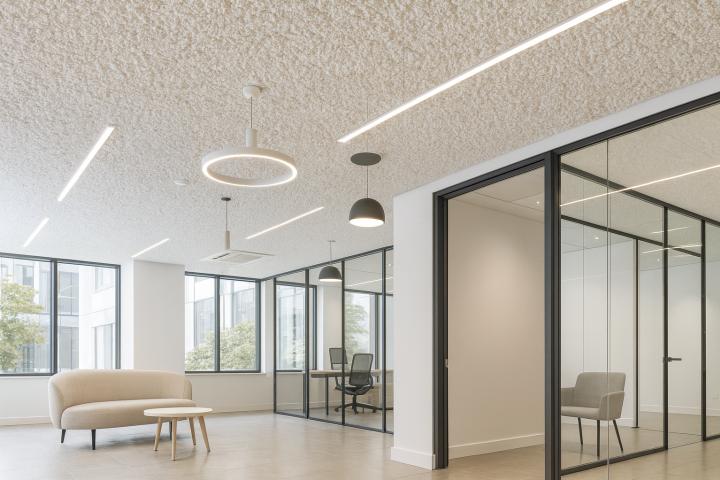
The concept of acoustic spray paint is compelling because it redefines how sound control integrates with interior design. Traditional acoustic treatment materials—such as panels or fabric-wrapped boards—often take up visible space and alter the character of a room. By contrast, a spray-based solution delivers a seamless, paint-like finish that doubles as an acoustic material. For designers, architects, and facility managers seeking clean, modern interiors, this presents an attractive proposition. It invites the possibility of balancing performance with visual minimalism, something bulkier options cannot always achieve.
Key Advantages of Acoustic Spray Paint
Professionals appreciate the versatility of acoustic spray paint because it offers a range of unique benefits. Unlike fixed acoustic treatment materials, spray solutions cover surfaces evenly, adapting seamlessly to curves, beams, and irregular structures. This ensures consistent sound absorption without leaving gaps. Moreover, it saves space—traditional acoustic material can take up square footage, but spray coatings maintain efficiency without bulk. For commercial projects, the faster application reduces downtime, while design-driven spaces benefit from performance that doesn’t compromise visual appeal.
Seamless Application on Complex Surfaces
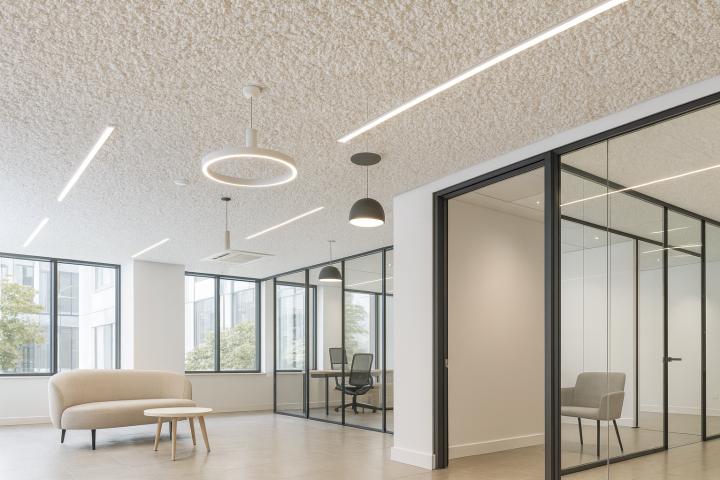
One of the major strengths of acoustic spray paint is its ability to coat irregular or complex surfaces with ease. Beams, arches, or textured ceilings can be treated without leaving inconsistencies that are often unavoidable with traditional acoustic treatment materials. This seamless finish enhances both performance and aesthetics.
Get in touch with Tranquil Global for customized solutions.
Space-efficient Acoustic Solution
Unlike panels or bulky acoustic material, spray coatings do not eat into usable space. This makes them an ideal choice for modern offices, restaurants, and auditoriums where every inch of space matters. The thin yet effective layer of acoustic spray paint ensures maximum sound absorption with minimal intrusion.
Faster Project Timelines
When applied, acoustic spray paint significantly reduces project completion time. Unlike installing rigid acoustic treatment materials, which may involve framing and fixing, spraying is quick and efficient. This advantage minimizes business downtime, especially in fast-paced commercial environments.
Aesthetic Preservation Without Compromise
Designers often worry that acoustic treatment materials may disrupt the architectural integrity of a space. Acoustic spray paint solves this by blending performance with aesthetics. It preserves uninterrupted visual flow, ensuring that functionality never comes at the expense of >
Applications Across Different Environments
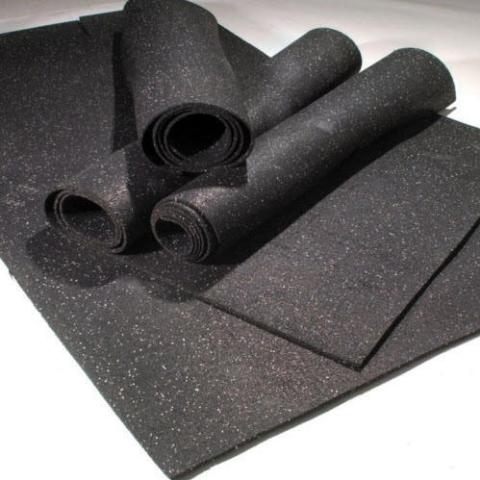
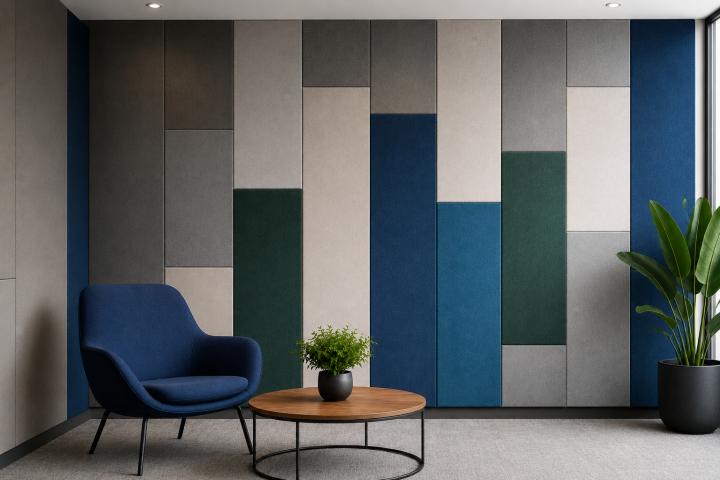
Evaluating where acoustic spray paint works best requires examining specific environments. In hospitality spaces like cafés, it enhances comfort without disrupting design, unlike bulky acoustic treatment materials. For creative studios or podcast rooms, sprays alone may prove insufficient, requiring additional acoustic material such as wall panels.
In offices, coatings are ideal for lobbies or meeting areas where aesthetics matter, but executive zones may still rely on traditional treatments for speech privacy. These scenarios demonstrate that sprays rarely function as one-size-fits-all. Instead, their value lies in strategic use, where they complement broader acoustic design rather than replace it.
Expert Insights from the Industry
Within professional practice, acoustic spray paint is best understood as one tool within a broader design toolkit. Acoustic consultants often recommend combining sprays with other acoustic treatment materials to create the right balance between aesthetics and measurable performance. Since no single acoustic material is universally effective, industry insights suggest a layered approach works best.
In theaters, sprays are commonly applied to ceilings for widespread absorption, while panels of acoustic material are positioned along side walls to target reflections and improve clarity.
In open-plan offices, acoustic spray paint is used for overall background noise control, with panels or other acoustic treatment materials strategically placed to reduce focused disruptions.
For projects with complex architecture, sprays provide seamless coverage across irregular structures, while structured acoustic material delivers targeted performance where precision is required.
Experts agree that acoustic spray paint achieves the best results when paired with complementary acoustic treatment materials, highlighting its role as part of a complete acoustic solution rather than a stand-alone fix.
Strategic Takeaways for Decision-makers
The decision to adopt acoustic spray paint depends on project priorities. For clients who value seamless aesthetics, space efficiency, and design integration, this modern acoustic material is a strong contender. However, for applications demanding maximum sound absorption, traditional acoustic treatment materials still dominate.
The most effective outcomes arise from hybrid solutions—using sprays as background treatments while layering panels or other acoustic material where deeper control is required. Ultimately, this approach ensures spaces not only appear refined but also perform acoustically. By carefully weighing pros and cons, professionals can align solutions with both functional and design goals.
Join hands with Tranquil Global for world-class design. https://www.tranquilglobal.com/contact-us.html