Knee pain is one of the most common complaints among adults of all ages. From minor strains to long-term joint issues, knee problems can interfere with daily activities like walking, climbing stairs, or even standing for long periods. Many people ignore the early warning signs, hoping the discomfort will go away on its own. However, early detection is key to preventing more serious complications. Understanding when to seek a knee check-up can help you protect your mobility, avoid unnecessary pain, and get timely treatment.
Below are the major signs that indicate you should consider visiting a doctor or orthopedic specialist for a proper knee evaluation.
1. Persistent Pain That Lasts More Than a Few Days
Occasional knee pain can happen due to overuse or minor strain, but when the pain continues for more than a week, it’s a warning sign. Persistent pain may indicate conditions such as arthritis, ligament damage, or cartilage wear. If the pain gets worse with activity or keeps coming back even after rest, a check-up is needed.
2. Swelling or Stiffness
Swelling is your body’s way of signaling injury or inflammation. If your knee appears swollen, warm, or stiff, especially after waking up in the morning, it could be a sign of fluid buildup, infection, or joint inflammation. Sudden swelling following a fall or twist could indicate a ligament tear or meniscus injury.
3. Difficulty Bending or Straightening the Knee
When your range of motion decreases, and you cannot fully extend or bend your knee, something inside the joint may be restricting movement. This may include swelling, damaged cartilage, or joint degeneration. Over time, this stiffness can worsen if left untreated.
4. Clicking, Popping, or Grinding Sensations
Hearing or feeling unusual sounds in the knee is not always dangerous, but when these sensations are accompanied by pain, it could be a sign of cartilage damage or early arthritis. Grinding feelings often indicate that the protective cartilage is wearing away, causing bones to rub against each other.
5. Knee Instability or Feeling Like It Might “Give Way”
If your knee feels unstable, weak, or unable to support your weight, it could be due to ligament injuries such as an ACL or MCL tear. Instability is a major concern and should never be ignored, especially after sports injuries or sudden twists.
6. Pain During Everyday Activities
If simple tasks—like standing from a chair, climbing stairs, or walking short distances—become painful, it is time to consult a doctor. Pain during normal movements is often a sign of chronic joint issues that may worsen with time.
7. Pain That Disrupts Sleep
Night-time knee pain can be especially concerning. Pain that wakes you up or prevents you from finding a comfortable sleeping position may indicate significant inflammation or joint degeneration. This could be related to arthritis or other long-term conditions.
8. History of Knee Surgery or Injury
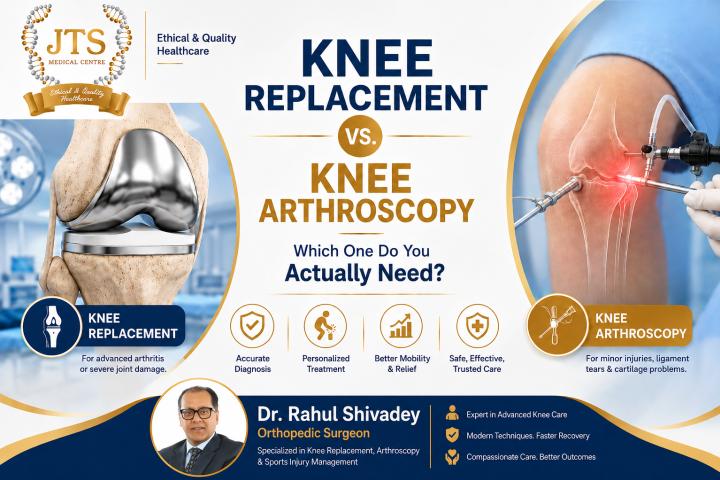
People who have had knee surgery, such as total knee replacement, must pay extra attention to new or worsening symptoms. Even after recovery, there may be challenges like stiffness or discomfort. Understanding factors like Worst Day After Knee Replacement Surgery or Knee Replacement Recovery Time for Elderly Patient helps explain why monitoring knee health is extremely important. If symptoms return after years, a check-up is recommended.
9. Visible Deformity or Change in Knee Shape
Any noticeable deformity—such as bending inward or outward—should be evaluated immediately. This may signal joint instability, advanced arthritis, or bone damage.
Conclusion
Your knees carry your body weight and support your movements every single day. Ignoring warning signs can lead to long-term complications and reduced mobility. Whether you experience persistent pain, swelling, instability, or difficulty performing daily activities, seeking a timely knee check-up can save you from more serious problems later on.
Regular monitoring is especially important for seniors, athletes, and those with a history of knee injuries or surgery. Early diagnosis leads to better treatment options, faster relief, and improved quality of life.