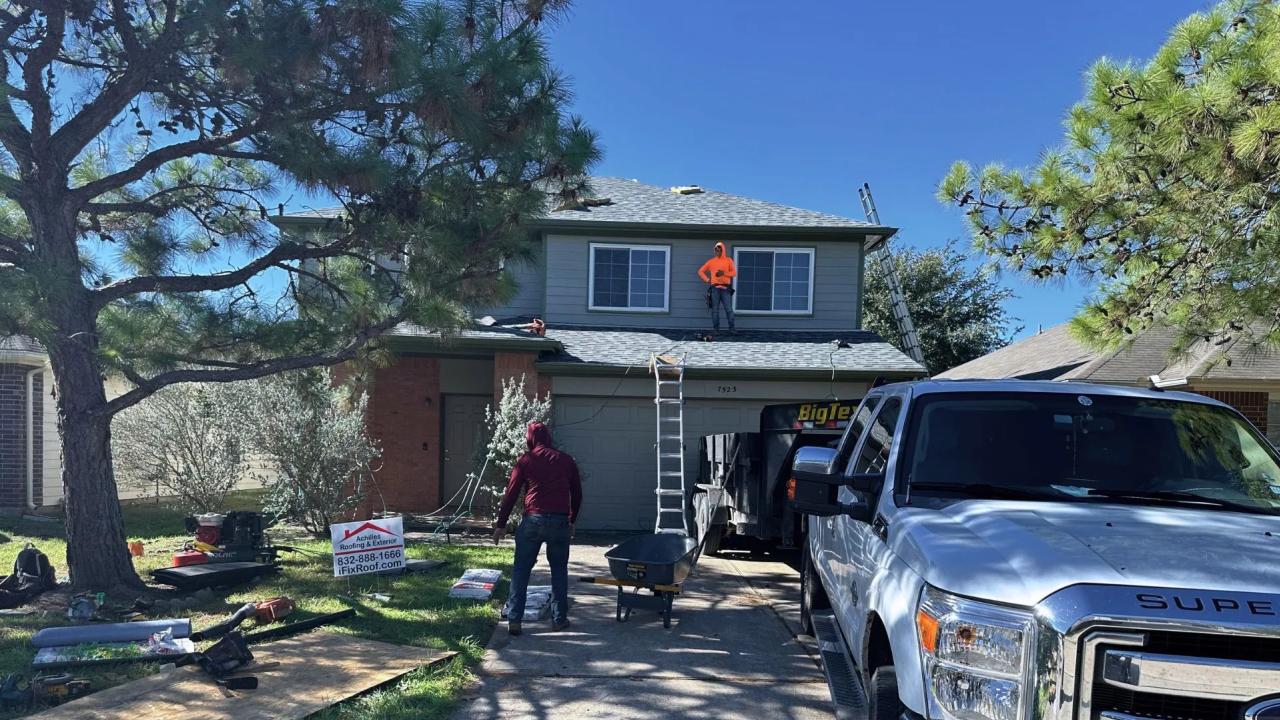

I’ve spent thousands of hours on top of houses in Southeast Texas, and if there’s one thing I’ve learned, it’s that Houston weather is the ultimate judge and jury for your home. You can try to cheat a roof by patching it for five years, but eventually, the bill comes due—usually during a tropical depression when you can least afford it. As a contractor, I’m the guy who has to tell a homeowner that their decking is soft or their structural beams are showing signs of moisture rot. When you reach the point of needing a
The Physics of Failure: Why Texas Roofs Age Faster
Most people worry about the wind, and rightfully so. But the real daily killer of Houston roofs is the sun. We deal with extreme "thermal shock." On a typical July afternoon, your roof surface can easily reach 160 degrees. Then, a sudden thunderstorm rolls in and dumps 75-degree rain on those shingles.
This rapid cooling causes the materials to contract violently. Over time, this movement shears the adhesive seals that keep your shingles down and creates "nail pops"—where the fasteners are physically pushed up through the shingle. If your contractor isn't checking for these subtle signs of fatigue, they aren't giving you a real assessment. A
Why the "Tear-Off" is the Only Way to Do It Right
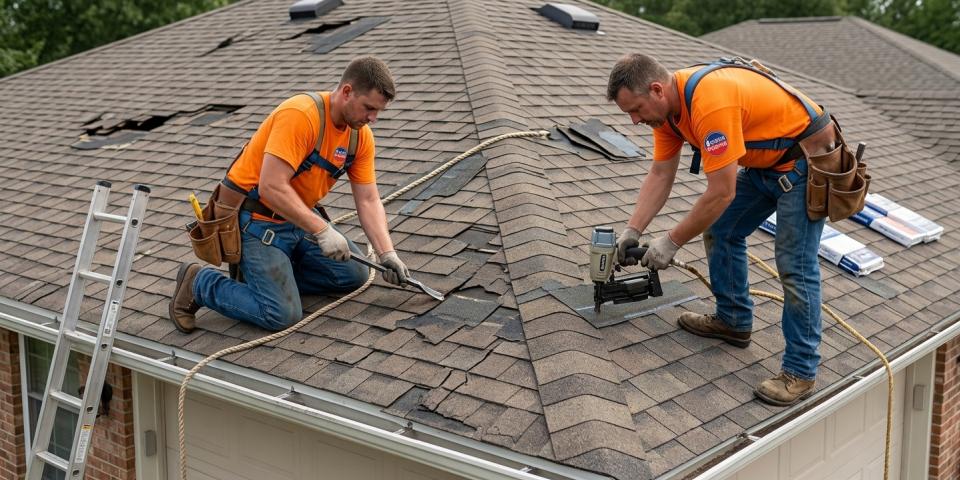
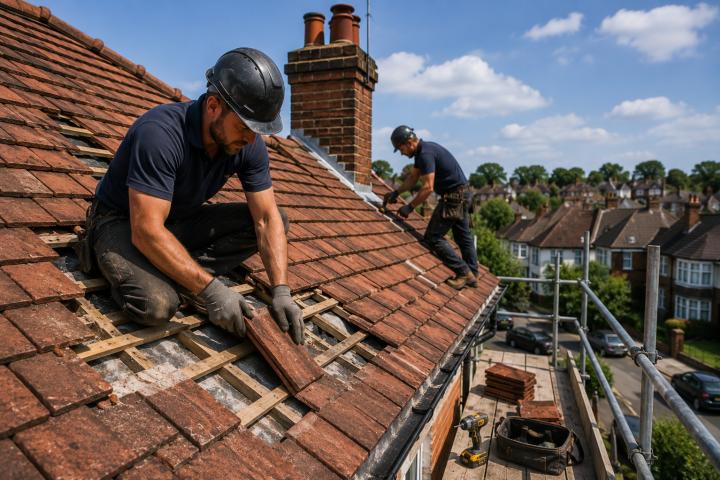
I see a lot of "budget" crews trying to convince homeowners to do a "lay-over"—basically nailing new shingles directly over the old ones to save on labor. Let me be blunt: in Houston, that is a recipe for disaster.
First, shingles are heavy. Adding a second layer puts immense structural stress on your roof trusses that they weren't designed to handle.
Ventilation: The Silent Life Support for Your Shingles
The biggest mistake I see in Houston roofing isn't the shingles—it’s the air moving underneath them. Your attic is a pressure cooker. If your contractor doesn't balance your intake vents at the eaves with exhaust vents at the ridge, you’re essentially slow-cooking your roof from the inside out.
Trapped moisture leads to "deck buckling" and mold growth.