The way businesses handle technology is changing fast. More companies in the capital are ditching the old break-fix approach and choosing smarter ways to manage their systems. This shift isn't just a trend but a response to real challenges facing modern organizations.
Washington businesses deal with unique pressures. Strict compliance rules, constant cyber threats, and fierce competition make technology management critical. That's pushing more organizations toward professional IT support models that actually prevent problems instead of just fixing them after damage occurs.
The Growing Managed Services Market
The numbers tell a clear story about where things are headed. The managed services market hit $380 billion in 2025 and will likely cross $1.27 trillion by 2035. That's growth of 12.8% every year, showing how valuable these services have become to businesses everywhere.
North America leads this growth with 36.2% of the market share. Companies are moving away from unpredictable capital expenses toward fixed monthly costs they can actually plan around. This shift makes budgeting easier and removes the surprise bills that used to wreck financial plans.
Almost 90% of small and medium businesses now use managed services or are seriously considering them. That's not random. These organizations realize they can't afford full IT departments but still need enterprise-level protection and support. Managed services give them exactly that without breaking the bank.
Why Organizations Choose Managed IT Services
The traditional model of waiting for things to break doesn't work anymore. Downtime now costs businesses an average of $5,600 per minute depending on the industry. That's real money walking out the door every second your systems are down.
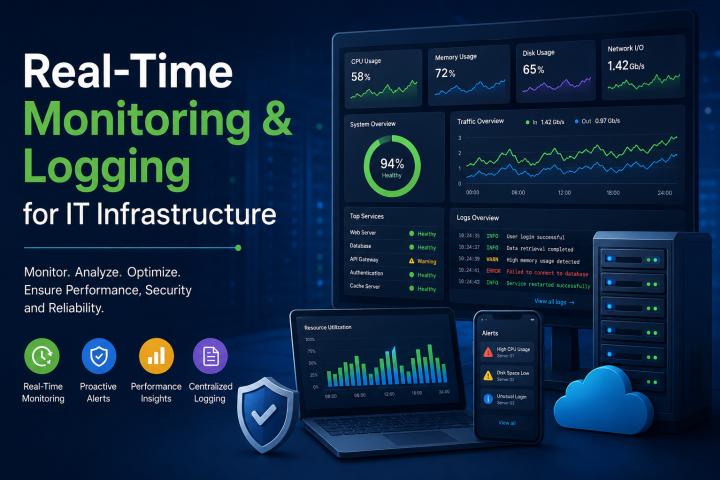
Managed service providers flip this around completely. They monitor everything constantly and spot problems before they cause outages. One study found companies using proactive management report 60% fewer system failures than those still using reactive support.
Cybersecurity concerns drive many decisions to outsource IT management. Data breaches cost companies $4.88 million on average, up 10% from last year. Cyberattacks happen every 39 seconds, with 2,200 incidents daily across all businesses. Organizations can't ignore these threats anymore.
Professional providers stay current on every new threat and defense strategy. They implement multiple security layers, conduct regular audits, and use Zero Trust approaches that save companies $1.76 million per breach compared to older security models. That's protection most internal teams simply can't match.
The Rise of Co-Managed IT Services
Not every business wants to outsource everything. Many have capable IT staff who just need backup in specific areas. That's where co-managed services come in, and they're growing fast alongside fully managed options.
Co-managed IT creates partnerships between internal teams and external experts. Your staff handles day-to-day tasks while the provider fills gaps in expertise, coverage, or capacity. It's flexibility that lets businesses keep control while accessing specialized skills they lack internally.
About 42% of organizations with most IT managed externally say this approach helps them capitalize on market opportunities and scale quickly. They get expert help without losing the institutional knowledge their internal staff provides. It's honestly the best of both worlds for many situations.
Small IT departments especially benefit from this model. When your team is overwhelmed with tickets, dealing with vacation coverage, or tackling a major project, co-managed support provides relief. You scale resources up during busy periods and back down when things normalize without hiring or firing anyone.
Key Benefits Driving the Shift
The it solutions washington dc market offers several advantages pushing this transformation. Businesses gain access to specialized expertise they couldn't afford full-time. Consultants bring knowledge across cybersecurity, cloud systems, and emerging technologies that would require multiple expensive hires.
Cost predictability ranks high among reasons for switching. Fixed monthly fees replace unpredictable emergency expenses and capital outlays. Organizations know exactly what they'll spend and can allocate budgets more effectively. Many see IT costs drop 30-40% while improving performance and security.
Access to advanced technology without huge investments attracts growing companies. About 94% of businesses worldwide now use cloud computing in their operations. Managed providers help organizations implement and optimize these systems properly without the learning curve and mistakes that cost internal teams dearly.
Compliance support matters tremendously in Washington's regulated environment. Healthcare, finance, and government contractors face especially strict requirements where violations bring heavy fines and legal trouble. Businesses spend 13.2% of IT budgets on security and compliance measures. Professional providers build these requirements in from the start.
Technology Advancements Shaping the Market
AI integration is transforming how managed services work. Providers use artificial intelligence for automated ticketing, improved threat detection, and predictive monitoring. These tools spot patterns humans miss and resolve standard issues 40% faster than traditional approaches.
The shift to remote work accelerated demand for managed services dramatically. By 2030, around 92 million digital jobs will be performed remotely. Businesses need secure remote access and collaboration tools that work reliably. Managed providers ensure these systems function smoothly with proper security.
Multi-cloud and hybrid environments create complexity most internal teams struggle managing effectively. Over 70% of large enterprises adopted hybrid cloud solutions by 2025. Professional providers specialize in managing these environments, ensuring seamless integration and optimization across platforms.
Choosing Between Managed and Co-Managed Models
The decision depends entirely on your current situation. Organizations without IT staff or wanting to completely outsource typically choose fully managed services. You get comprehensive 24/7 support, predictable costs, and access to specialized expertise while your team focuses on core business activities.
Co-managed services work best when you already have internal IT capability that needs enhancement. Maybe your team lacks specific expertise in areas like cybersecurity or network design. Perhaps they're overwhelmed with workload and things are slipping. The right it consultants in washington dc work alongside your staff, filling gaps without replacing institutional knowledge.
Both models deliver similar baseline services including security measures, backup solutions, remote access capabilities, and regular reporting. The difference lies in control and responsibility. Managed services handle everything while co-managed arrangements share duties based on your specific needs and preferences.
Making the Right Choice for Your Organization
Start by honestly assessing your current IT situation. What skills does your team have? Where are the gaps? How much control do you want maintaining? What's your budget for IT support? These questions guide you toward the right model.
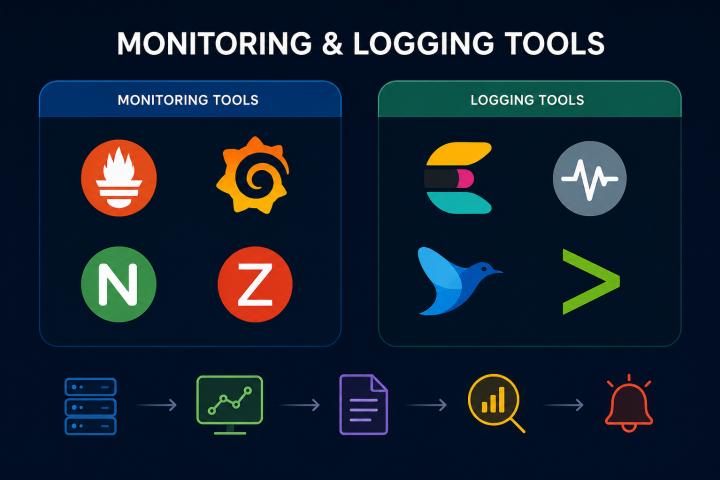
Look for providers with experience in your industry who understand your specific challenges. Check their response times, service guarantees, and security practices. Ask about their monitoring tools and how they handle emergencies. References from similar businesses provide valuable insight into actual performance.
The managed services industry will keep growing as technology becomes more complex and threats multiply. Organizations that adapt now position themselves for success while those sticking with outdated approaches fall further behind. The question isn't whether to change but when and how to make the transition smoothly.
Professional IT support isn't just about fixing computers anymore. It's strategic partnership that protects your business, improves efficiency, and enables growth. Whether you choose managed or co-managed services, the right provider becomes a true business partner invested in your success.