AC copper fittings serve as essential components in heating, ventilation, and air conditioning systems, ensuring reliable refrigerant flow and optimal system performance. These specialized connectors maintain leak-free operation in residential and commercial installations while withstanding extreme temperature variations and pressure cycles throughout their service life.
Industry professionals recognize several key advantages:
- Copper pipe connectors provide superior thermal conductivity and corrosion resistance for long-term reliability
- Refrigeration copper filter driers remove moisture and contaminants from refrigerant lines
- Copper y joints enable efficient refrigerant distribution in multi-zone systems
- Refrigerant distributors ensure even flow across evaporator circuits
- Air conditioner mufflers reduce compressor noise and vibration
- Copper tube couplings create secure connections between pipe sections
HVAC contractors and facility managers depend on quality copper fittings to deliver efficient climate control systems that operate reliably for decades.
Key Takeaways
- AC copper fittings form the backbone of refrigeration and air conditioning systems, connecting components while maintaining system integrity
- Proper brazing techniques and joint preparation prevent leaks that cause refrigerant loss and efficiency degradation
- Refrigeration copper filter driers protect compressors by removing moisture, acids, and particulate contamination
- Copper y joints and refrigerant distributors ensure balanced refrigerant flow in multi-evaporator installations
- Air conditioner mufflers reduce operational noise without restricting refrigerant flow
- Quality copper tube couplings enable repairs and system modifications
- Certified manufacturers deliver products meeting industry standards for safety and performance
What Are AC Copper Fittings?
Basic Construction
AC copper fittings are precision-manufactured components designed specifically for refrigeration and air conditioning applications. Manufacturers produce these fittings from seamless copper tubing conforming to ASTM B280 standards with walls ranging from 0.8mm to 2.0mm depending on pressure requirements. Each fitting undergoes deburring, cleaning, and nitrogen purging during production to eliminate contaminants. The copper alloy composition—typically 99.9% pure copper—provides excellent thermal conductivity, workability for field installation, and natural antimicrobial properties.
Standard copper pipe connectors come in sizes from 1/4 inch to 4 inches in diameter. Quality fittings feature smooth interior surfaces that minimize pressure drop and turbulence in refrigerant flow. Connection methods include sweat (brazed) ends, flare fittings for field assembly, and press-fit designs for rapid installation.
| Component Type | Size Range | Primary Function |
Copper Pipe Connector | 1/4" - 4" | Line connections, repairs |
Refrigeration Copper Filter Drier | 1/4" - 1-5/8" | Moisture removal |
Copper Y Joint | 3/8" - 1-1/8" | Branch distribution |
Refrigerant Distributor | 4-12 circuits | Evaporator feed |
Air Conditioner Muffler | 3/8" - 1-3/8" | Noise reduction |
Copper Tube Coupling | 1/4" - 2-1/8" | Straight connections |
Key Component Functions
Copper Pipe Connectors join refrigerant lines between major components, creating leak-tight seals through brazing or mechanical methods. These include elbows, tees, reducers, and couplings that route refrigerant efficiently.

Refrigeration Copper Filter Driers remove moisture, acids, and solid particles from refrigerant circuits. These components contain molecular sieve desiccant and filter media that trap contaminants before they reach compressors. Standard driers handle normal moisture loads, while oversized units provide extra capacity after repairs.

Copper Y Joints create branch connections that split refrigerant flow to multiple evaporators or zones. The Y-shaped design minimizes pressure drop while ensuring adequate refrigerant reaches each circuit.

Refrigerant Distributors precisely divide refrigerant flow across multiple evaporator circuits, ensuring even cooling performance. These devices use calibrated nozzles or tubes that deliver equal refrigerant quantities to each heat exchanger pass.

Air Conditioner Mufflers reduce operational noise by dampening pressure pulsations from compressor discharge and suction. Internal baffles or chamber designs absorb acoustic energy without significantly restricting flow.

Copper Tube Couplings provide straight connections for repairs or extensions, allowing technicians to join pipe sections without replacing entire line sets.

Types of AC Copper Fittings
Connection Fittings
Standard Copper Pipe Connectors include various configurations for routing refrigerant lines. Elbows (45° and 90°) change direction in tight spaces. Tees create branch connections. Reducers connect different pipe sizes. These basic fittings come in sweat, flare, and compression >
Copper Tube Couplings join same-size pipes in straight runs. Standard couplings require brazing at both ends, while repair couplings feature a slip design that slides over existing pipe for emergency repairs without draining the system.
Filtration Components
Refrigeration Copper Filter Driers come in several configurations. Solid core driers use compressed desiccant blocks for maximum capacity in small packages. Loose-fill driers contain granular desiccant that provides higher flow rates. Suction line driers protect compressors during system cleanup. Liquid line driers represent the standard installation point in most systems.
Filter drier sizing depends on system tonnage and refrigerant type. Undersized driers create excessive pressure drop that reduces efficiency. Oversized driers cost more but provide longer service life and better protection during system contamination events.
Distribution Components
Copper Y Joints enable simple branch configurations in dual-zone or multi-evaporator systems. These fittings maintain adequate refrigerant velocity in branch lines while minimizing pressure losses at the junction. Proper sizing ensures each branch receives sufficient refrigerant for its cooling load.
Refrigerant Distributors serve larger systems with multiple evaporator circuits. Precision-machined orifices or capillary tubes ensure equal distribution regardless of minor pressure differences. Distributors mount directly at the evaporator inlet, feeding 4-12 circuits depending on coil design.
Noise Control
Air Conditioner Mufflers install on compressor discharge and suction lines to reduce operational noise. Discharge mufflers handle high-pressure, high-temperature refrigerant vapor. Suction mufflers operate at lower pressures but larger volumes. Both types use chamber designs or perforated tubes that attenuate sound waves while maintaining adequate refrigerant flow.
Proper muffler selection considers system tonnage, refrigerant type, and acceptable pressure drop. Industrial and commercial installations often require mufflers for noise ordinance compliance, while residential systems use them to improve comfort.
Installation Best Practices
Joint Preparation
Proper preparation ensures leak-free connections that last the system's lifetime. Cut tubing square using a tube cutter, not a hacksaw. Remove all burrs inside and outside using a deburring tool. Clean the pipe exterior and fitting interior with fine sandpaper or abrasive cloth until bright copper appears. Wipe surfaces with clean cloth to remove oxidation and oils.
Apply flux sparingly only to the fitting interior, not the pipe exterior. Excess flux contaminates refrigerant systems and causes future problems. Assemble joints immediately after cleaning to prevent oxidation.
Brazing Techniques
Quality brazing creates strong, leak-free joints per ASHRAE refrigeration standards. Use appropriate filler alloys—15% silver alloy (BCuP-5) for copper-to-copper joints eliminates the need for flux in most applications. Higher silver content alloys flow more easily but cost more. Never use soft solder in refrigeration systems as it cannot withstand system pressures and temperatures.
Heat joints evenly using a torch with appropriate flame size. Apply heat to the pipe, not the fitting, allowing heat to conduct to the joint. When the joint reaches brazing temperature, the filler alloy flows by capillary action into the gap. Remove heat immediately when filler appears around the entire joint circumference. Overheating damages copper and creates weak joints.
Critical brazing practices:
Purge lines with nitrogen during brazing to prevent internal oxidation
Maintain slight positive nitrogen pressure (3-5 psi) throughout the process
Allow joints to cool naturally without water quenching
Visually inspect for complete filler coverage around joints
Pressure test all joints before final system startup
Filter Drier Installation
Install refrigeration copper filter driers in the liquid line between the condenser and expansion device. Mount driers vertically with flow arrow pointing toward the evaporator. Support the drier weight independently—do not rely on pipe connections for support.
Replace filter driers during every major service event. Desiccant saturates over time, losing effectiveness. After compressor failures or major repairs, install oversized driers to handle contamination cleanup. Monitor system performance after drier installation—excessive pressure drop indicates undersizing or premature saturation.
Refrigerant Distribution Setup
Copper Y Joint Installation: Install Y joints with the branch takeoff facing upward in vertical risers to ensure proper oil return. Size branch lines according to load calculations, not merely matching the main line size.
Refrigerant Distributor Mounting: Position distributors as close to the evaporator inlet as possible. Secure distributors to prevent vibration. Ensure proper orientation per manufacturer specifications—some distributors must be mounted vertically. Connect individual circuits to distributor tubes using brazing techniques that prevent obstruction of the small-diameter tubes.
Air Conditioner Muffler Placement
Install air conditioner mufflers on compressor discharge lines within 3 feet of the compressor for maximum effectiveness. Mount mufflers to prevent transmission of vibration to connected piping. Support both ends independently. Ensure proper orientation—some mufflers have directional flow requirements.
Suction line mufflers install near the compressor inlet. Size these units carefully as excessive pressure drop on the suction side significantly reduces system efficiency. In residential applications, a single discharge muffler often provides adequate noise reduction.
Maintenance and Service
Regular Inspection
Visual inspection during routine maintenance identifies potential problems before they cause system failures. Check all brazed joints for signs of leakage—oil residue, discoloration, or refrigerant staining indicate leak points requiring repair. Examine copper pipe connectors and copper tube couplings for corrosion, particularly in coastal or industrial environments where atmospheric contaminants accelerate degradation.
Monitor filter drier performance through pressure drop measurements. Excessive pressure difference across the drier indicates saturation or blockage. Temperature drop across liquid line filter driers should be minimal—significant cooling indicates restriction. Replace driers showing elevated pressure drop.
System Contamination Response
Compressor failures release large quantities of contaminants into refrigerant circuits. Proper cleanup requires installing oversized refrigeration copper filter driers and sometimes multiple driers in series. Monitor acid levels using test kits after compressor replacement. Change filter driers repeatedly until acid levels reach acceptable ranges. Failure to remove all contamination causes premature failure of the replacement compressor.
After system repairs involving opening refrigerant circuits, install new filter driers to remove moisture introduced during service. Even brief exposure to atmosphere allows moisture absorption that damages system components over time.
Leak Detection and Repair
Refrigerant leaks waste energy and harm the environment. Electronic leak detectors identify small leaks that soap bubbles cannot detect. Common leak points include copper pipe connector joints that were improperly brazed, vibration-stressed connections, and corroded pipe sections.
Repair leaks by cutting out damaged sections and installing new copper tube couplings using proper brazing techniques. Clean the system thoroughly after repairs and install fresh filter driers to remove contamination. Pressure test repairs before recharging with refrigerant. Verify leak elimination using electronic detectors before returning systems to service.
Selecting Quality Components
Material Standards
Quality AC copper fittings meet ASTM B280 specifications for seamless copper tube. This standard ensures proper dimensions, mechanical properties, and cleanliness for refrigeration service. Verify that fittings carry appropriate certifications—UL 207 listing confirms pressure rating and safety compliance for the intended refrigerant and system pressure.
Material composition affects performance and longevity. Pure copper (99.9% Cu) provides best thermal conductivity and workability. Avoid fittings made from brass or bronze in refrigeration circuits unless specifically designed for that application. These materials have different thermal expansion rates and may create leak paths over time.
Performance Specifications
Filter Drier Capacity: Select driers based on system tonnage and refrigerant charge. Manufacturers provide capacity ratings in tons and refrigerant weight. Oversizing by 50-100% extends service life and provides better protection during contamination events.
Distributor Design: Choose refrigerant distributors with the correct number of circuits matching the evaporator design. Verify compatibility with the system refrigerant and expansion device type. Some distributors work only with thermal expansion valves, while others suit fixed orifice systems.
Muffler Effectiveness: Air conditioner muffler specifications include noise reduction in decibels and pressure drop at rated flow. Balance these factors—higher noise reduction often comes with increased pressure drop that reduces efficiency.
Manufacturer Reputation
Working with established manufacturers ensures consistent quality and technical support. Reputable suppliers provide installation guides, compatibility charts, and field support for complex applications. They maintain production controls that deliver uniform quality across production runs.
Quality manufacturers offer complete product testing and certification documentation, technical support for product selection and sizing, warranty coverage that demonstrates confidence in their products, availability through established distribution channels, and clear product marking for field identification.
Common Applications
Residential HVAC Systems
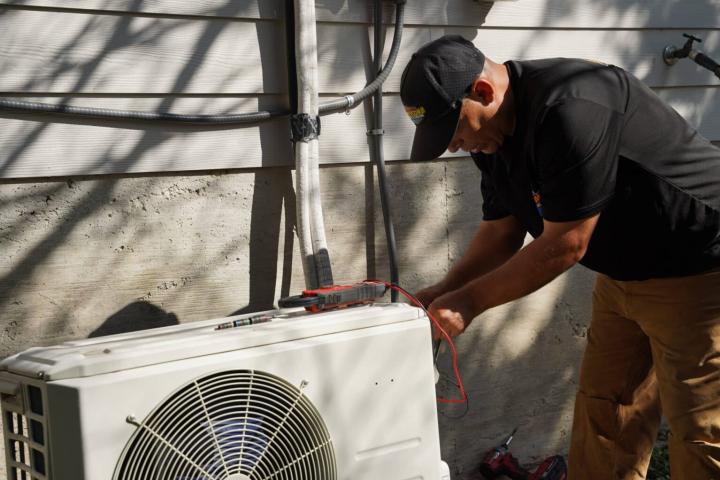
Single-family homes typically use straightforward configurations with copper pipe connectors joining outdoor condensing units to indoor air handlers. Standard liquid and suction lines route refrigerant between components. Filter driers protect compressors from moisture and contaminants. Simple copper tube couplings enable repairs or system modifications.
Multi-zone residential systems require copper y joints or small refrigerant distributors to serve multiple air handlers from a single outdoor unit. Each zone receives properly proportioned refrigerant flow. Air conditioner mufflers reduce noise in installations where outdoor units sit near bedroom windows or property lines.
Commercial Buildings
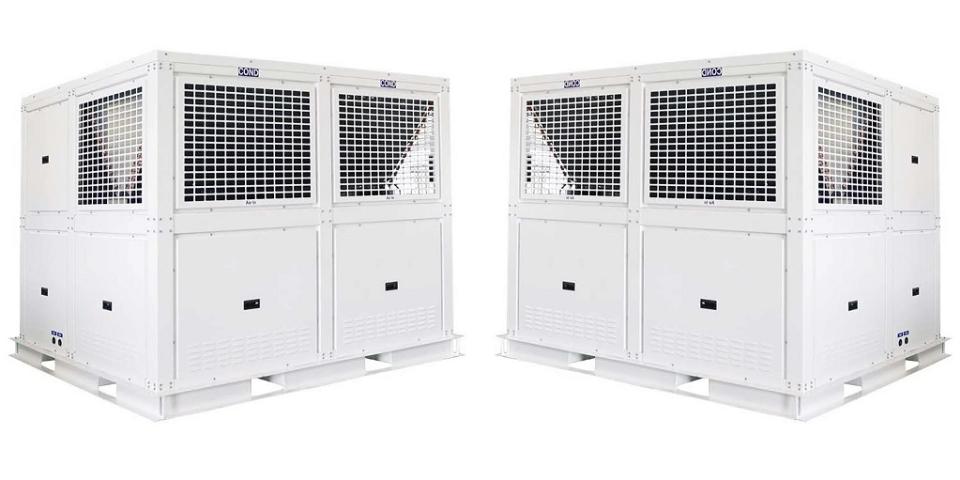
Commercial applications demand larger components and more complex distribution. Multiple evaporators serve different zones or floors. Larger refrigerant distributors ensure even flow across extensive evaporator coils. Multiple filter driers may be installed—one for general protection plus additional units for specific zones or equipment.
High-rise buildings require careful attention to oil return in vertical refrigerant risers. Properly sized copper pipe connectors maintain adequate refrigerant velocity for oil entrainment. Suction line accumulators and oil separators work with standard fittings to ensure reliable compressor lubrication.
Industrial Refrigeration
Industrial processes require robust components capable of handling large refrigerant charges and extended operating hours. Heavy-wall copper pipe connectors withstand higher pressures in low-temperature applications. Oversized refrigeration copper filter driers handle system volumes that would quickly saturate residential-sized components.
Process cooling often involves multiple evaporators operating at different temperatures. Sophisticated refrigerant distribution systems with multiple copper y joints and distributors ensure each load receives proper refrigerant supply. Industrial air conditioner mufflers control noise in occupied facilities while maintaining the low pressure drop required for system efficiency.
Conclusion
AC copper fittings represent essential components that determine HVAC system reliability, efficiency, and service life. Quality copper pipe connectors create leak-free joints that maintain refrigerant containment under demanding operating conditions. Refrigeration copper filter driers protect expensive compressors from moisture and contamination damage. Copper y joints and refrigerant distributors ensure proper refrigerant distribution in multi-circuit systems. Air conditioner mufflers reduce operational noise without sacrificing efficiency. Copper tube couplings enable repairs and modifications that extend system life.
Successful HVAC installations require careful component selection based on system requirements, proper installation following industry standards, and ongoing maintenance that preserves system integrity. Working with experienced manufacturers ensures access to quality components that meet performance specifications and code requirements.
When searching for a reliable AC Copper Fittings factory that delivers consistent quality and technical support, JIAHAO provides comprehensive solutions backed by manufacturing expertise and commitment to customer success.
FAQ
What is the difference between Type L and Type K copper for HVAC applications?
Type L copper has thinner walls suitable for most residential and light commercial HVAC systems operating at standard pressures. Type K features thicker walls for higher pressure applications or underground installations. Both meet ASTM B280 standards for refrigeration service.
How often should refrigeration copper filter driers be replaced?
Replace filter driers during major service events like compressor replacement or after system contamination. In normal operation, liquid line driers should be changed every 5-7 years or when pressure drop measurements indicate saturation.
Can copper pipe connectors be reused after disassembly?
No. Once brazed, copper fittings cannot be cleanly separated and reused. Repairs require cutting out old fittings and installing new components with proper brazing techniques.
Why is nitrogen purging important during brazing?
Nitrogen purging prevents internal oxidation when copper is heated during brazing. Oxide scale inside refrigerant lines breaks loose during operation, damaging compressor valves and clogging expansion devices.
What size copper y joint is needed for a dual-zone residential system?
Copper y joint sizing depends on total system capacity and individual zone loads. A typical 3-4 ton dual-zone system uses 3/8" or 1/2" branch connections from a 5/8" or 3/4" main line, maintaining adequate refrigerant velocity for oil return.
How do you know when a filter drier is saturated?
Measure pressure drop across the drier. Pressure difference exceeding 2-3 psi indicates saturation or blockage. Temperature drop across the drier also indicates restriction requiring replacement.
What causes most leaks in copper tube couplings?
Improper joint preparation, contaminated surfaces, insufficient heating during brazing, excessive heating that damages copper, and using incorrect filler materials cause most coupling leaks. Following proper procedures prevents nearly all leak failures.