Understanding SD-WAN has become essential for network professionals, and many engineers are now turning to SDWAN Training to strengthen their skills. As organizations continue to expand their cloud usage, support large remote teams, and demand stronger security, SD-WAN stands out as a technology every engineer must be comfortable with. The year 2025 brings new challenges and expectations, making it even more important to build a strong foundation in the core concepts of SD-WAN.
Why SD-WAN Matters More Than Ever
SD-WAN (Software-Defined Wide Area Network) changes the way networks are controlled and managed. Instead of relying only on traditional WAN methods like MPLS, it uses software intelligence to select the best path for traffic, improve performance, and enhance security. This shift allows businesses to respond faster to technology changes and deliver better user experiences.
For network engineers, learning SD-WAN is not just an upgrade—it is becoming a necessity. Below are the most important SD-WAN concepts to understand in 2025.
1. SD-WAN Architecture and Core Components
A strong understanding of SD-WAN begins with its basic structure. The main elements include:
Controllers – central systems that manage and enforce policies
Edge Devices – routers placed at branches or remote sites
Orchestrator – the interface used to configure, monitor, and automate the network
Overlay Network – the virtual network built over the physical connections
Many training programs, including Cisco SDWAN certification and Cisco SDWAN training, emphasize this architecture because it forms the foundation of every SD-WAN deployment.
2. Application-Aware Routing
One of the biggest advantages of SD-WAN is its ability to recognize applications and direct them through the best network path. Instead of sending everything through a single connection, SD-WAN analyzes:
Application type
Network condition
Performance requirements
Based on this information, it chooses the path that ensures smooth performance. This is especially useful for video calls, cloud apps, and real-time communication tools. Network engineers must be comfortable designing and adjusting these routing rules.
3. Security Integration Within SD-WAN
Modern SD-WAN solutions come with built-in security features. This integration helps strengthen network protection without needing separate devices. Key security functions include:
End-to-end encryption
Firewalls
Threat detection
Segmentation
Zero Trust principles
With cyber threats increasing, understanding how SD-WAN enhances security is essential. Engineers should know how policies are applied across sites and how the platform maintains consistent protection.
4. SASE and Zero Trust Concepts
SASE (Secure Access Service Edge) is becoming closely tied to SD-WAN. It combines network connectivity with cloud-delivered security. Meanwhile, Zero Trust ensures that no device or user is trusted automatically.
In 2025, companies are moving toward architectures that blend SD-WAN and SASE, especially as remote work environments grow. Network engineers need to understand how these two models work together and why they are important for modern networks.
5. Underlay and Overlay Networks
Every SD-WAN setup involves two layers:
Underlay: The physical network, such as broadband, LTE, fiber, or MPLS
Overlay: The SD-WAN virtual network created on top of the underlay
Troubleshooting SD-WAN issues often involves checking both layers, so engineers must know how they interact. Understanding these layers helps diagnose packet loss, latency, or link failures more effectively.
6. Centralized Management and Automation
SD-WAN offers centralized control through a dashboard that simplifies network management. Engineers can push policies, adjust routing, and monitor performance across multiple sites at once. Automation reduces manual configuration errors and saves time.
Skills in automation, including basic scripting or working with APIs, are becoming more important in SD-WAN roles.
7. Cloud Connectivity and Optimization
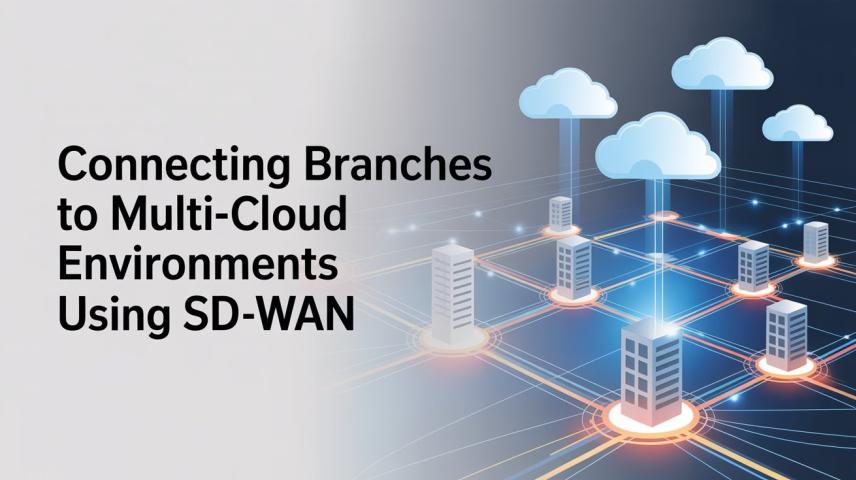
Since many applications now live in the cloud, SD-WAN plays a major role in improving access to services like Microsoft 365, AWS, Google Cloud, and Azure. It selects the best route to cloud applications and avoids unnecessary backhauling through data centers.
Network engineers should understand how SD-WAN connects directly to cloud platforms and how it enhances performance.
Conclusion
As networks become more complex and cloud-focused, SD-WAN knowledge is becoming essential for every network engineer. Learning the core concepts—from routing and architecture to security and cloud integration—helps engineers stay prepared for the demands of modern IT environments. For those looking to strengthen their skills, exploring sdwan certification paths and enrolling in a structured SDWAN course can provide a clear learning direction and help build confidence in using this technology.