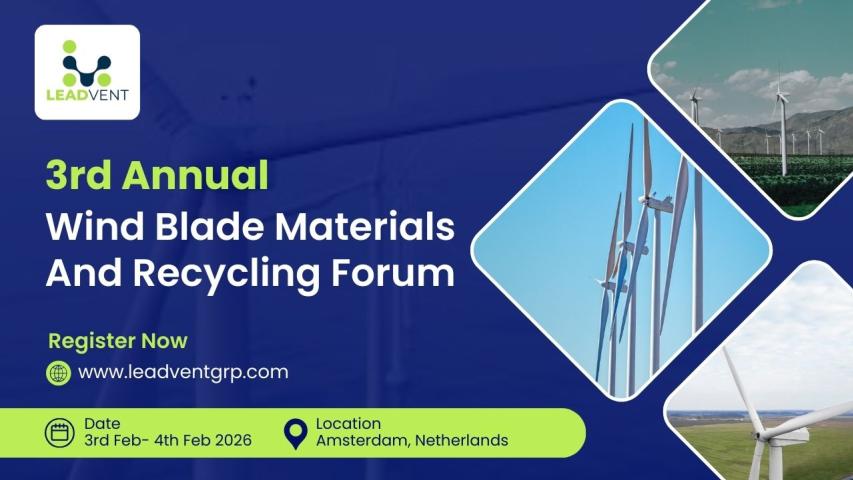
As the global demand for renewable energy increases, wind energy has become one of the leading solutions to combat climate change. However, the growth of wind power brings with it new challenges. One of the most pressing issues is what happens to wind blades when they reach the end of their life cycle. Wind turbines are critical for generating clean energy, but the wind blade materials used in these turbines present a challenge when it comes to disposal and recycling. These blades are often made from composite materials, such as fiberglass and resin, which are tough, durable, and resistant to the elements. However, they are difficult to break down and recycle, leading to a growing need for sustainable recycling solutions.
Why Wind Blade Recycling Is Essential
As the wind energy industry grows, so does the amount of wind blade recycling needed. It is estimated that over 14,000 blades will be decommissioned in the coming years. Given the size and durability of these blades, they do not break down easily in landfills. The recycling of wind blades is crucial for several reasons:
Environmental Impact: If not properly recycled, wind blades contribute to landfill waste and take decades to decompose. Recycling helps reduce this waste and limits environmental damage.
Material Reuse: Many of the materials in wind blades, such as fiberglass and resin, can be repurposed in other industries like construction, automotive, and infrastructure. Recycling these materials supports a circular economy.
Sustainability: The goal of wind energy is to provide a sustainable solution for the planet. Recycling old wind blades ensures that wind energy stays truly green by minimizing waste and encouraging the reuse of resources.
Innovations in Blade Technology and Recycling
Key innovations include:
Design for Recycling: Wind blade manufacturers are now considering the end-of-life stage during the design process. New designs use materials that are easier to separate and recycle, making the recycling process more efficient.
Biodegradable Composites: Researchers are exploring the use of natural fibers and biodegradable resins in wind blades. These materials would make it easier to break down the blades after their lifespan and reduce the environmental impact.
Advanced Recycling Methods: The development of new chemical and mechanical recycling methods is enabling more efficient processing of wind blades. For example, chemical processes can break down the tough composite materials, while mechanical shredding allows the reuse of materials in other applications like cement or construction products.
Case Studies in Wind Blade Recycling
Case Study 1: Recycling in the Netherlands
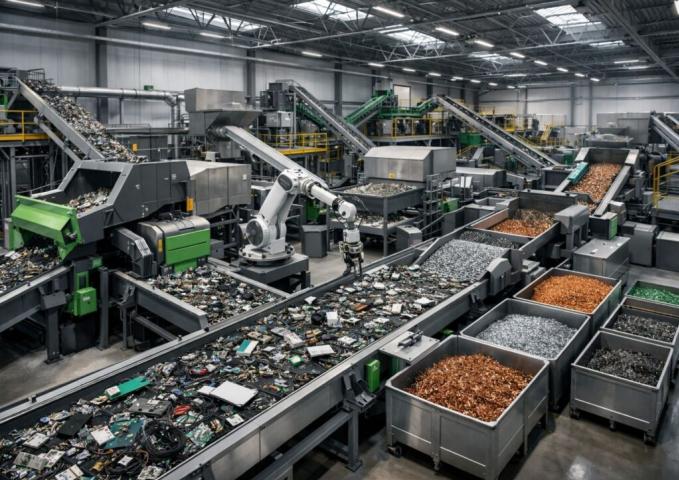
One of the most successful examples of wind blade recycling comes from a project in the Netherlands, where an innovative recycling plant has been developed to handle decommissioned wind blades. The facility uses mechanical shredding to break down the blades into small pieces. These shredded materials are then repurposed for use in the construction and cement industries.
This approach helps to reduce landfill waste and supports a circular economy by turning old blades into valuable raw materials. The success of this plant demonstrates how effective wind blade recycling can be when the right infrastructure and technology are in place.
Case Study 2: Chemical Recycling in the United States
In the United States, a company has pioneered a chemical recycling process for wind blade recycling. This method involves using chemicals to break down the composite materials in wind blades, such as fiberglass and resin, into reusable components. The fiberglass can then be used in products like insulation or construction materials, while the resin can be repurposed for new composites.
This approach is still being refined, but it has the potential to scale up and offer a more efficient way to recycle wind blades. The chemical recycling process also offers the possibility of recovering more materials from blades that would otherwise be difficult to recycle.
The Future of Wind Blade Recycling and Technology
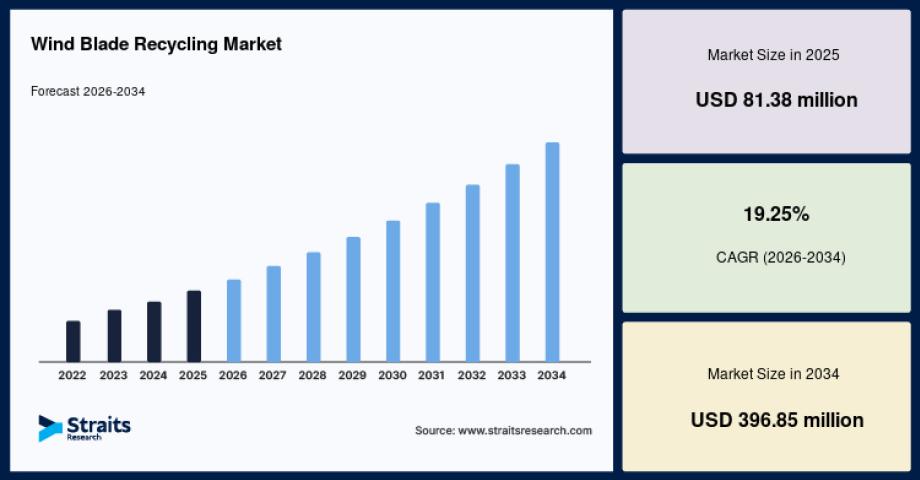
The wind blade recycling industry is still in its early stages, but innovations in blade technology and recycling methods are making progress. As the wind energy industry continues to grow, the need for better recycling solutions will only become more pressing.
Future innovations might include:
Modular Blade Designs: Some companies are exploring modular designs for wind blades, where components can be easily separated for recycling. This would make the recycling process more efficient and cost-effective.
Energy-Efficient Recycling: New recycling methods that use less energy and fewer resources are being developed to make wind blade recycling more sustainable and less costly.
Advanced Materials: As research into new blade materials continues, we may see blades made from entirely recyclable or biodegradable materials, which would drastically reduce waste and environmental impact.
FAQs
1. Why are wind blades difficult to recycle?
Wind blades are made from composite materials like fiberglass and resin, which are strong and durable but difficult to break down. These materials do not decompose easily and are challenging to separate for recycling.
2. How are wind blades currently recycled?
Wind blades are typically recycled using mechanical shredding, where they are broken into small pieces and repurposed for use in other industries, such as cement production or construction. Chemical recycling is also being explored to break down the materials more efficiently.
3. What happens to wind blades when they aren’t recycled?
If wind blades are not recycled, they often end up in landfills, where they can take years to decompose, contributing to environmental waste.
4. Can the materials in wind blades be reused?
Yes. The fiberglass and resin in wind blades can be repurposed in construction, automotive, and other industries. Recycling these materials reduces the need for virgin resources and helps create a more sustainable economy.
5. How can wind blade designs be improved for recycling?
Manufacturers are working to design blades that are easier to recycle by using simpler, more recyclable materials and modular designs that allow for easier disassembly.
Conclusion
Wind blade recycling is an essential part of ensuring the sustainability of wind energy. As the industry continues to grow, more efficient and innovative blade technology solutions are needed to address the challenges of blade disposal. The progress made in recycling methods and the development of new materials for wind blades demonstrate that the industry is moving toward a more sustainable future. Through continued innovation and collaboration, the wind energy sector can lead the way in creating a circular economy that benefits both the environment and the industry.