The global transition toward renewable energy is no longer a distant goal—it is an immediate priority. As nations strive to reduce carbon footprints, wind energy has emerged as one of the most reliable and scalable solutions. However, the journey from a gust of wind to a functional power grid involves a highly complex engineering process. Successful projects rely on precision wind turbine installation and the strategic oversight provided by experienced wind EPC contractors.
For businesses and stakeholders looking to invest in sustainable infrastructure, understanding the mechanics of these services is the first step toward long-term energy independence.
The Foundation of Success: Professional Wind Turbine Installation
Installing a wind turbine is an engineering feat that requires more than just heavy machinery. It involves a meticulous sequence of planning, site preparation, and technical execution. Because wind turbines are located in varied environments—from coastal plains to rugged mountainous terrains—each installation presents unique logistical challenges.
The process typically begins with a comprehensive site assessment. Engineers analyze soil stability, wind patterns, and accessibility. Once the site is cleared, the foundation is laid—a critical step that ensures the turbine can withstand extreme weather conditions and the kinetic forces generated by rotating blades.
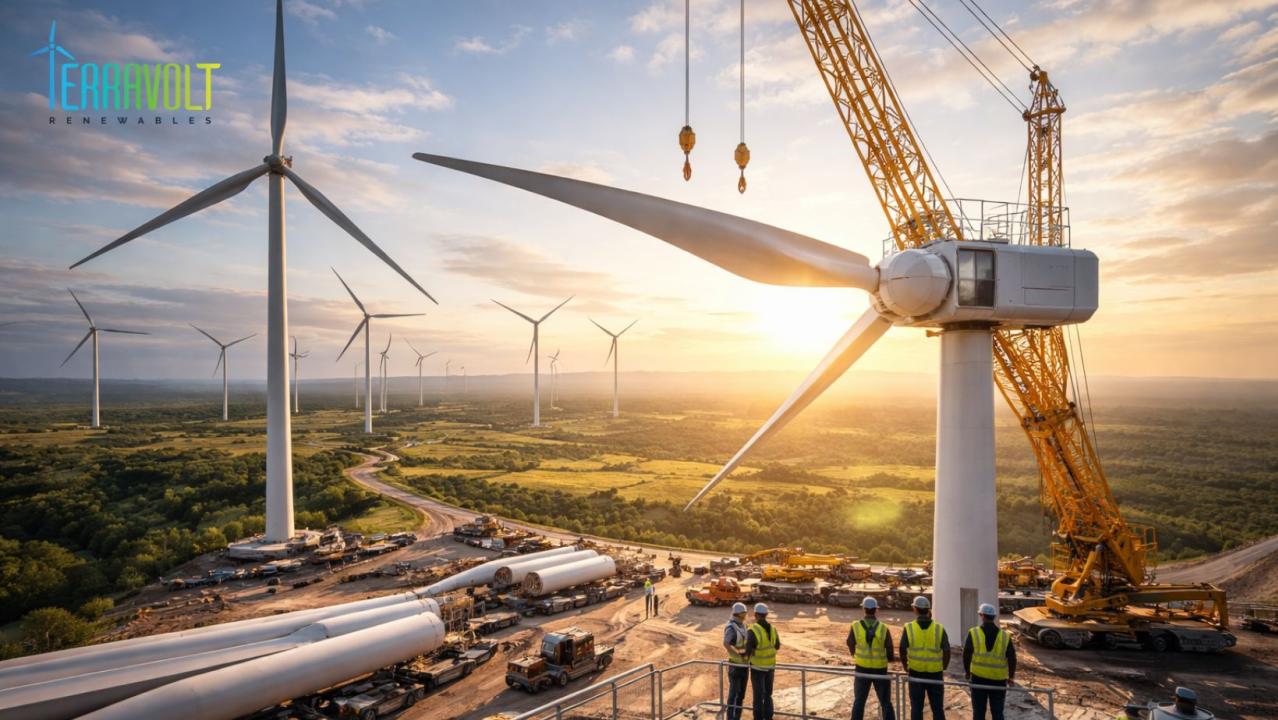
During the actual wind turbine installation, specialized cranes lift massive components, including the tower sections, the nacelle (which houses the generator), and the aerodynamic blades. Every bolt must be torqued to exact specifications, and every electrical connection must be tested to ensure the system is ready to integrate with the local power grid.
The Role of Wind EPC Contractors
While the physical installation is the most visible part of a project, the management of that project is what determines its financial and operational viability. This is where wind EPC contractors (Engineering, Procurement, and Construction) become indispensable.
An EPC contractor acts as a single point of responsibility for the entire project lifecycle. This "turnkey" approach allows project owners to minimize risks and streamline communication. Here is how an EPC partner adds value
Engineering & Design: Crafting technical blueprints that optimize energy yield and ensure structural integrity.
Strategic Procurement: Leveraging industry relationships to source high-quality turbines, cables, and components at competitive prices.
Project Management: Coordinating logistics, labor, and safety protocols to ensure the project stays on schedule and within budget.
Regulatory Compliance: Navigating the complex landscape of environmental permits and local grid regulations.
By hiring expert wind EPC contractors, developers can avoid the common pitfalls of fragmented project management, such as supply chain delays or technical misalignments between different vendors.
Key Benefits of a Turnkey Approach
Choosing a comprehensive service provider for your wind energy project offers several distinct advantages
Cost Efficiency: Integrated planning reduces waste and prevents costly mid-construction changes.
Safety Standards: Professional contractors adhere to rigorous international safety standards, protecting both the workforce and the equipment.
Technical Expertise: Access to specialized tools and high-precision technology ensures the turbine operates at peak efficiency from day one.
Long-Term Reliability: A well-installed turbine requires less corrective maintenance, leading to a better Return on Investment (ROI) over its 20-to-25-year lifespan.
Navigating Challenges in Wind Energy Construction
The path to commissioning a wind farm is rarely a straight line. Challenges such as transporting 80-meter blades through narrow roads or managing construction in volatile weather require adaptive problem-solving.
Modern wind turbine installation techniques now utilize advanced GPS and IoT-based monitoring to track components in real-time. Furthermore, seasoned wind EPC contractors maintain a network of local experts to navigate geographical hurdles, ensuring that the project benefits the local economy while meeting global energy standards.
The Future of Wind Infrastructure
As technology evolves, we are seeing the rise of taller towers and larger rotors capable of capturing energy at lower wind speeds. This evolution makes the expertise of installation teams even more critical. Precision is no longer just about safety; it is about maximizing the "uptime" of the asset.
Whether you are developing a small-scale captive wind project for industrial use or a large-scale utility farm, the quality of your infrastructure is your strongest asset. Partnering with professionals who understand the nuances of both engineering and construction is the only way to ensure your investment stands the test of time.
Conclusion
The shift toward green energy is a technical challenge as much as it is an environmental one. High-quality wind turbine installation ensures that the hardware is built to last, while the strategic guidance of wind EPC contractors ensures that the project is executed with professional excellence.
If you are ready to harness the power of the wind, focusing on a robust, end-to-end execution strategy is the most effective way to turn natural resources into sustainable power. From the first shovel in the ground to the first rotation of the blades, excellence in execution is what defines the energy leaders of tomorrow.