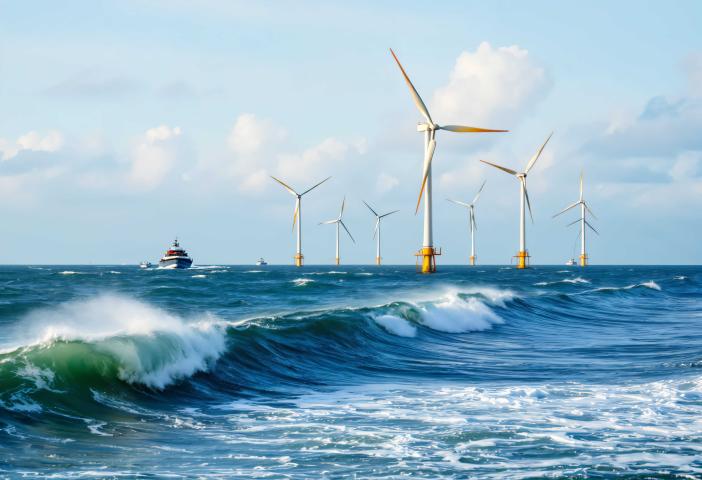
As the global demand for clean energy rises, investors are actively searching for opportunities that offer both stability and future growth. Renewable energy has become a strong focus area, but within this space, some technologies are gaining more attention than others. One such area is the development of advanced wind energy systems that can operate in deeper waters. These solutions are opening new possibilities for energy production, attracting long-term investors who are thinking beyond traditional markets.
A New Phase in Renewable Energy Investment
For many years, wind energy projects were limited to land-based or shallow water locations. While these projects delivered good returns, they also faced limitations such as land availability, environmental concerns, and lower wind efficiency in certain regions. As a result, investors began looking for alternatives that could overcome these barriers.
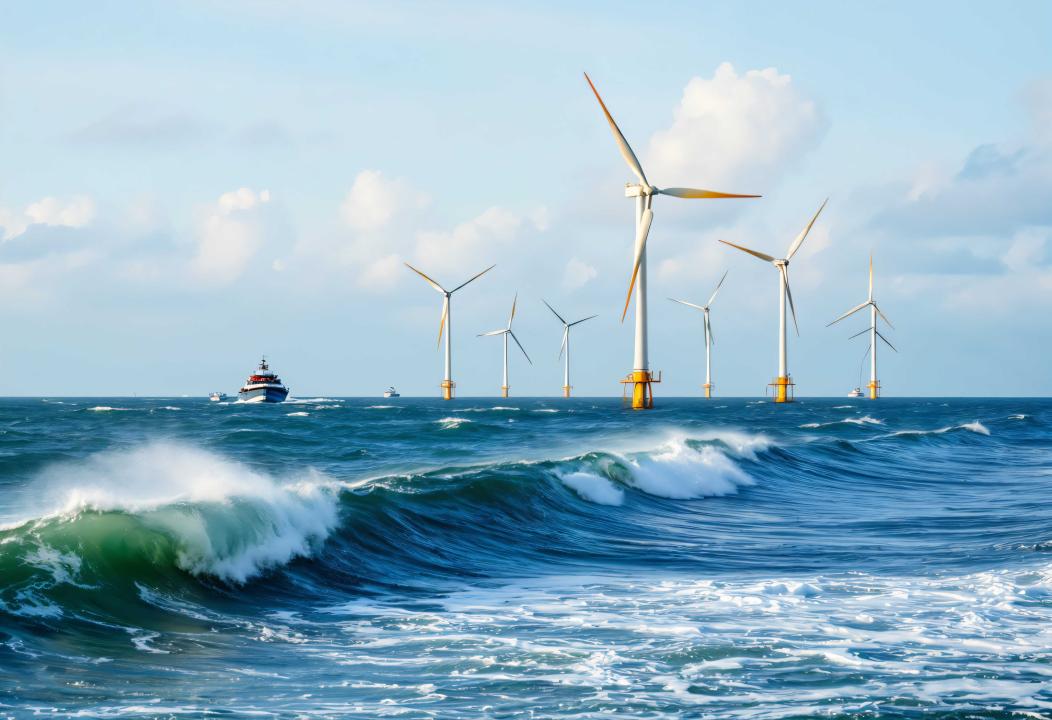
This is where floating wind technology is making a difference. It allows wind farms to be installed in deeper waters where wind speeds are stronger and more consistent. This leads to higher energy output and better efficiency over time, which naturally attracts investors seeking reliable returns.
Access to Untapped Energy Resources
One of the biggest reasons investors are showing interest in this sector is the access to previously unused ocean areas. Traditional projects are often restricted to shallow coastal regions. However, deeper waters hold a much larger share of wind energy potential.
By using floating turbines, energy companies can expand operations into these high-wind zones. This increases the overall production capacity and creates opportunities for scaling projects. For investors, this means access to a much larger market with significant long-term growth potential.
Strong Government Support and Policy Push
Governments around the world are introducing policies and incentives to promote clean energy adoption. These include tax benefits, subsidies, and long-term contracts that reduce financial risks for investors.
Many countries have already set ambitious renewable energy targets, and deep-water wind projects are becoming an important part of those plans. As regulatory support increases, investors gain confidence that these projects will receive long-term backing, making them safer and more predictable investments.
Improved Technology and Lower Risks
In the early stages, new technologies often come with high risks. However, over the years, engineering improvements and successful pilot projects have reduced uncertainties in this field.
Modern systems used in offshore wind installations are now more durable and efficient. Advances in anchoring systems, turbine design, and remote monitoring have made operations more stable. As risks decrease, institutional investors, including large funds and energy companies, are becoming more comfortable entering this space.
Case Study 1: Hywind Scotland Project
A well-known example of success in this field is the Hywind Scotland project, developed by Equinor. It is the world’s first commercial-scale floating wind farm. Since its launch, the project has consistently delivered high capacity performance, often exceeding expectations compared to traditional wind farms.
The success of Hywind Scotland has shown investors that deep-water wind projects are not just experimental but commercially viable. It has also helped build trust in the long-term profitability of such investments.
Case Study 2: Kincardine Offshore Wind Farm
Another strong example is the Kincardine project located off the coast of Scotland. This project uses advanced floating systems and has demonstrated stable energy production even in challenging sea conditions.
The project attracted significant investment from global financial institutions, showing that large-scale funding is now flowing into this sector. Its performance has reinforced the idea that floating-based solutions can deliver reliable returns while supporting sustainability goals.
Diversification and Long-Term Stability
Investors are always looking for ways to diversify their portfolios. Renewable energy projects, especially those located offshore, provide an opportunity to reduce dependency on traditional energy markets.
Projects based in the ocean are less affected by land-related challenges such as property disputes or population density. This adds an extra layer of stability. Over time, as energy demand continues to grow, these projects are expected to generate steady income, making them attractive for long-term investment strategies.
Environmental and Social Benefits
Sustainability is no longer just a trend; it is a key factor in investment decisions. Many institutional investors now follow environmental, social, and governance (ESG) criteria when selecting projects.
Floating wind energy systems have a lower environmental footprint compared to fossil fuels. They also reduce pressure on land resources and help countries meet their carbon reduction targets. For investors, this means aligning financial goals with environmental responsibility, which is becoming increasingly important in today’s market.
Cost Trends and Future Outlook
While the initial costs of deep-water wind projects are higher than traditional setups, the long-term outlook is promising. As technology improves and more projects are developed, costs are expected to decrease.
Economies of scale, better supply chains, and increased competition are likely to make these systems more affordable. This creates an opportunity for early investors to benefit from higher returns as the market matures.
Conclusion
The shift toward advanced wind energy solutions is not happening by chance. It is driven by a combination of technological progress, policy support, and the growing need for sustainable energy. Investors are recognizing the long-term value of these projects and are positioning themselves early in a market that is expected to expand significantly.
With access to untapped resources, proven case studies, and strong global backing, floating wind energy systems are emerging as a powerful investment opportunity. For those looking to balance growth with sustainability, this sector offers a compelling path forward.
FAQs
1. What makes floating wind energy different from traditional wind energy?
Floating wind energy systems are installed in deep waters, unlike traditional systems that are fixed to the seabed in shallow areas. This allows access to stronger and more consistent wind speeds.
2. Are floating turbines expensive to maintain?
Maintenance costs can be higher initially, but modern technology and remote monitoring systems are helping reduce long-term operational expenses.
3. Is this a safe investment option?
While all investments carry some risk, increasing government support and successful projects have made this sector more stable and attractive over time.
4. Which regions are leading in floating wind development?
Countries like the UK, Norway, and Japan are currently leading in the development and deployment of floating wind energy projects.
5. What is the future growth potential of this sector?
The sector is expected to grow rapidly as global energy demand increases and countries move toward cleaner energy sources.