Top Benefits of Installing Solar PV Systems for Commercial Buildings
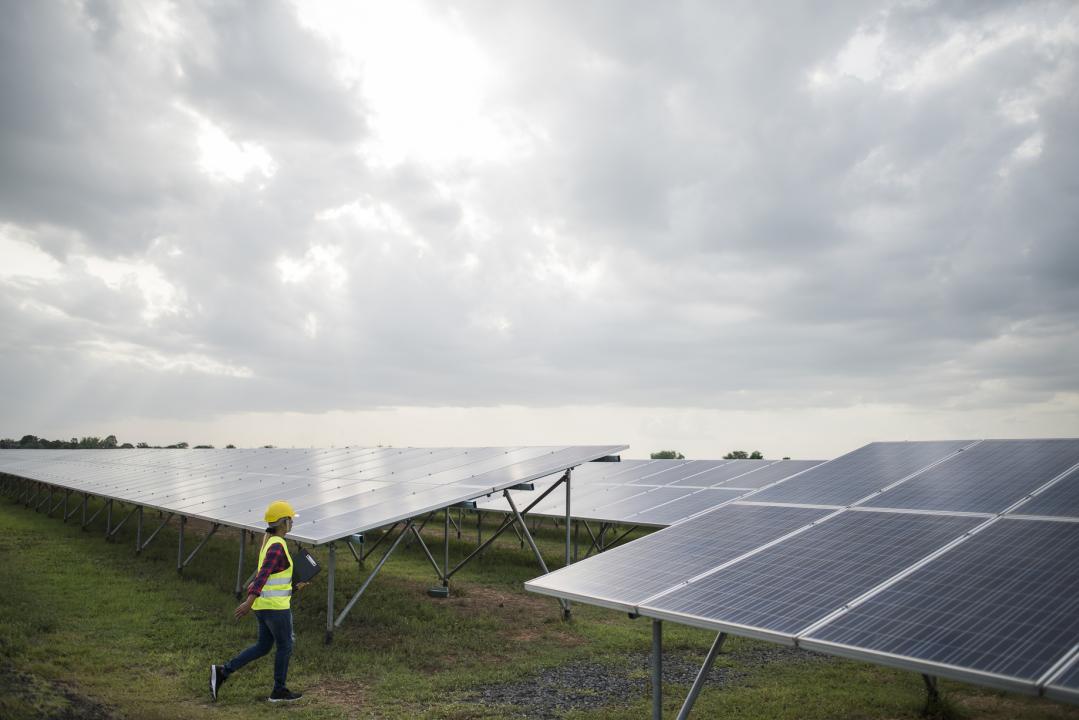
Commercial buildings consume a large amount of electricity every day. Offices, manufacturing units, malls, hotels, and warehouses rely heavily on power to maintain daily operations. With increasing electricity costs and rising environmental concerns, businesses are actively looking for smarter and more sustainable energy solutions. One of the most reliable solutions today is installing Solar PV systems.
Solar power is no longer just an environmental initiative; it has become a strategic business investment. From cost savings to long-term energy security, commercial organizations across the world are turning to solar technology to strengthen their operations.
Below are the key benefits of installing solar power systems for commercial buildings.
Significant Reduction in Electricity Costs
Electricity bills are one of the largest operational expenses for many commercial establishments. Installing Solar PV systems allows businesses to generate their own electricity directly from sunlight.
Once installed, the system converts solar energy into usable electricity for the building. This significantly reduces dependence on the grid and lowers monthly energy bills.
Most commercial solar systems can reduce electricity costs by 40% to 70%, depending on system size and energy consumption. Over time, this translates into substantial financial savings for businesses.
Long-Term Return on Investment (ROI)
Solar systems are known for providing strong long-term returns. Although the initial installation requires investment, the savings generated from reduced electricity bills quickly offset the cost.
A typical commercial Solar PV system has a lifespan of 25–30 years, and most systems recover their installation cost within 4–6 years.
After the payback period, businesses essentially produce electricity at almost no cost for the remaining lifespan of the system. This makes solar one of the most reliable long-term investments for commercial infrastructure.
Energy Independence and Stability
Energy prices fluctuate frequently due to market conditions and fuel costs. Businesses relying solely on traditional electricity sources often face unpredictable operational expenses.
Installing Solar PV systems gives organizations greater control over their energy production. By generating electricity onsite, companies reduce their dependence on utility providers.
In addition, solar systems can be combined with battery storage to provide backup power during outages, ensuring uninterrupted business operations.
Utilization of Idle Roof or Water Surfaces
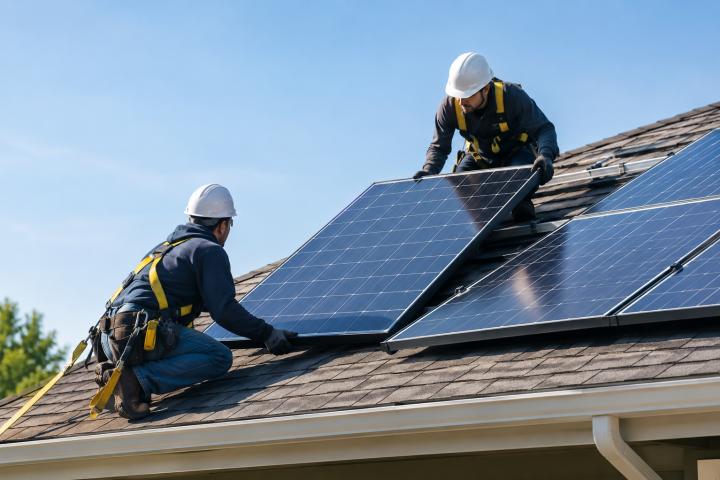
Many commercial buildings have large rooftops that remain unused. These spaces can be effectively converted into solar power generation units.
Another innovative solution is the Floating Solar Panel system. Instead of installing panels on rooftops or land, floating systems are installed on water bodies such as reservoirs, lakes, or industrial ponds.
The Floating solar panel approach is particularly beneficial for industries that have limited roof space but access to water surfaces. These systems also reduce water evaporation and improve panel efficiency due to natural cooling from water.
Environmental Sustainability and Corporate Responsibility
Sustainability has become a key priority for modern businesses. Companies are expected to reduce their environmental impact and adopt cleaner energy sources.
Solar power helps commercial buildings reduce their carbon footprint significantly. A medium-sized Solar PV installation can offset hundreds of tons of carbon emissions annually.
By adopting renewable energy, businesses demonstrate environmental responsibility, which improves brand reputation and strengthens relationships with environmentally conscious customers and partners.
Increased Property Value
Commercial buildings equipped with solar energy systems often attract higher property values and stronger tenant interest.
Solar-powered buildings are seen as modern, efficient, and sustainable. Tenants benefit from reduced energy costs, making these properties more attractive for long-term leasing.
In many commercial real estate markets, buildings with installed Solar PV systems are considered premium assets due to their lower operational expenses.
Case Studies
Case Study 1: Walmart Solar Initiative (USA)
Walmart, one of the world’s largest retail chains, has invested heavily in solar power across its commercial buildings.
The company installed Solar PV systems on more than 240 retail stores and distribution centers in the United States. These installations collectively generate over 150 million kilowatt-hours of electricity annually.
The initiative has significantly reduced Walmart’s energy costs while supporting the company’s goal of operating on 100% renewable energy in the future.
Case Study 2: Ramagundam Floating Solar Project (India)
India is home to one of the world’s largest Floating Solar Panel installations located at the Ramagundam reservoir in Telangana.
The project has a capacity of 100 MW, making it one of the largest floating solar power plants globally. The floating system helps generate clean electricity while conserving land resources.
The Floating solar panel installation also reduces water evaporation from the reservoir and improves solar panel efficiency due to cooling effects from water.
This project demonstrates how floating solar technology can transform unused water surfaces into powerful renewable energy sources.
Frequently Asked Questions (FAQs)
1. What is Solar PV and how does it work?
Solar PV (photovoltaic) systems convert sunlight directly into electricity using solar panels made of photovoltaic cells. The generated electricity can power buildings or be stored for later use.
2. How much space is required for commercial solar installation?
On average, a 100 kW Solar PV system requires around 7,000–10,000 square feet of roof space. However, floating installations can be used when roof space is limited.
3. What is a Floating Solar Panel system?
A Floating Solar Panel system is a solar installation placed on water bodies like lakes, reservoirs, or ponds. It allows electricity generation without using valuable land.
4. How long do solar panels last?
Most commercial Solar PV systems last 25 to 30 years, with minimal performance degradation over time.
5. Are solar systems suitable for all commercial buildings?
Yes, most commercial buildings can install solar systems on rooftops, parking structures, or nearby land. Where space is limited, Floating solar panel systems provide an excellent alternative.
Conclusion
Solar technology is transforming how commercial buildings manage energy. Installing Solar PV systems provides long-term financial savings, energy independence, and environmental benefits.
Innovations such as the Floating Solar Panel system further expand the possibilities by utilizing water surfaces for renewable energy generation.
As businesses move toward sustainable infrastructure and energy efficiency, solar power is becoming a vital component of modern commercial development. Companies that invest in solar today position themselves for lower operating costs, stronger sustainability credentials, and a more resilient energy future.