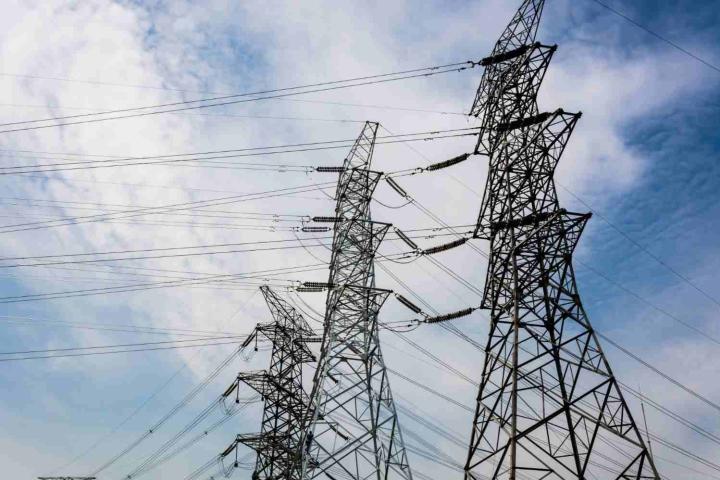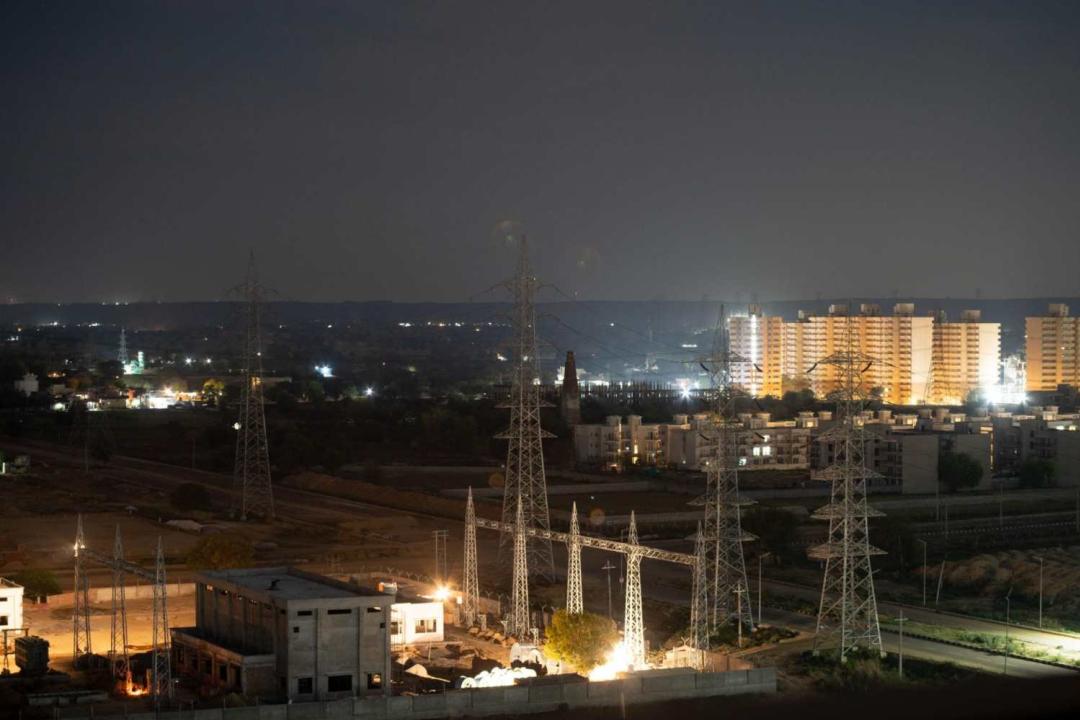
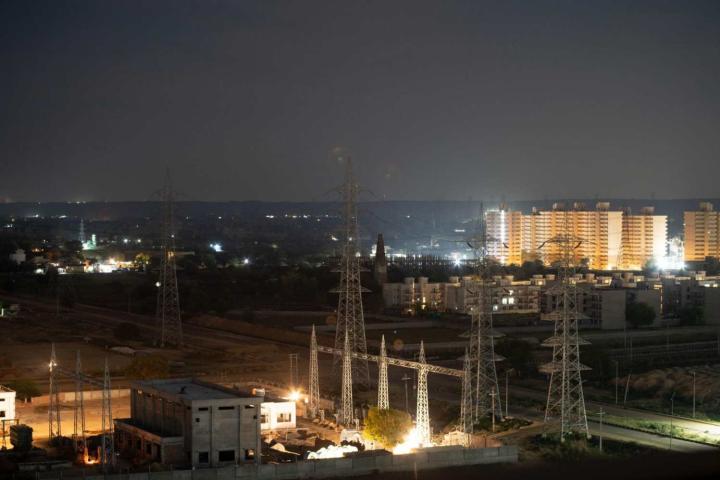
As electricity networks become larger, more distributed, and increasingly connected with renewable energy, utilities and industries need greater visibility and control over their electrical infrastructure. Modern substations and distribution networks can no longer depend only on manual monitoring and conventional operating practices. Real-time data, automated controls, intelligent protection systems, and centralized monitoring are becoming essential for efficient power management.
This is where SCADA in power systems plays an important role. SCADA Supervisory Control and Data Acquisition combines field-level equipment, communication networks, software, and control systems to help operators monitor and manage electrical assets remotely.
For EPC companies, utilities, industries, and renewable energy developers, integrating SCADA and automation with substations, switchgear, protection panels, and renewable assets can improve operational visibility and support faster responses to changing grid conditions.
Hartek provides SCADA & Automation along with control and relay panels, medium-voltage switchboards, low-voltage switchboards, and packaged substations as part of its power distribution product portfolio.
Key Takeaways
- SCADA control system technology enables centralized monitoring and remote operation of electrical assets.
- Automation helps operators respond faster to faults and abnormal operating conditions.
- SCADA can integrate with protection relays, switchgear, substations, and renewable energy systems.
- Real-time data supports better operational decisions and maintenance planning.
- Digital automation is becoming increasingly important as electricity networks integrate solar, storage, and other distributed energy resources.
What Is SCADA in Power Systems?
A scada system in power system applications is designed to collect information from electrical equipment and present it to operators through a centralized interface. Field devices such as circuit breakers, transformers, meters, protection relays, and sensors generate operational data that can be transmitted to a control centre.
A typical SCADA architecture includes:
- Remote Terminal Units (RTUs)
- Programmable Logic Controllers (PLCs)
- Intelligent Electronic Devices (IEDs)
- Communication networks
- Human-Machine Interfaces (HMIs)
- SCADA servers and databases
- Protection and control equipment
This combination allows operators to observe parameters such as voltage, current, frequency, power flow, equipment status, and alarms in real time. Hartek describes SCADA as a solution for substation control and data insights, with its product portfolio integrating SCADA & Automation alongside other power distribution equipment.
How Automation Is Changing Electricity Network Management
Automation extends SCADA beyond monitoring. While SCADA provides visibility and supervisory control, automation allows predefined actions and control sequences to be executed with limited manual intervention.
For example, when a protection system detects an abnormal electrical condition, automated logic can initiate breaker operations or provide alarms to the control room. This can help isolate affected sections and support restoration activities.
The combination of monitoring, protection, communication, and automation creates a more responsive electrical network.
1. Real-Time Monitoring
One of the primary advantages of a scada based system is continuous visibility into network conditions.
Operators can monitor:
- Voltage and current levels
- Transformer loading
- Feeder status
- Circuit breaker positions
- Power generation and consumption
- Equipment alarms
- Protection relay events
Instead of depending entirely on physical inspections, operators can access information through centralized interfaces and identify unusual conditions more quickly.
2. Faster Fault Detection and Response
Electrical faults can affect equipment, power quality, and supply continuity. A modern automation architecture can identify abnormal conditions through protection relays and communicate relevant information to operators.
A relay control panel plays an important role here by integrating protection and control functions. A control and relay panel can receive signals from protection devices, operate breakers, provide status indications, and communicate important information to SCADA systems.
Hartek's control relay solutions are designed for applications extending up to 220 kV, while its product portfolio also includes SCADA & Automation and medium-voltage switchboards up to 33 kV.
SCADA and Control Relay Panels: Working Together
The relationship between SCADA and protection equipment is particularly important in modern substations.
A control and relay panel in substation applications provides protection, control, indication, and communication functions. Protection relays detect electrical abnormalities, while SCADA systems provide centralized visibility and supervisory control.
For example, a 132 kv control relay panel can be integrated into a substation automation architecture where protection signals, breaker status, measurements, and alarms are communicated to the control centre.
This integration creates a connected operational environment where:
Electrical Equipment → Protection & Control → Communication → SCADA → Operator
Such integration is increasingly important for substations supporting transmission networks, industrial facilities, and renewable energy projects.
The Role of Switchgear in Automated Networks
Automation does not operate independently of electrical equipment. Switchboards and panels form the physical infrastructure through which power is controlled and distributed.
A medium voltage switchboard can provide switching and protection for medium-voltage distribution systems, while a medium voltage panel can accommodate breakers, protection devices, metering, and control components.
Similarly, low voltage switchboard manufacturers increasingly provide solutions that support monitoring and intelligent control requirements for industrial and commercial facilities. An lv switchgear panel can be integrated with control, protection, metering, and communication systems depending on the application.
Hartek's power distribution portfolio includes medium-voltage switchboards up to 33 kV and low-voltage switchboards, alongside control relay panels and SCADA & Automation.
SCADA for Renewable Energy Integration
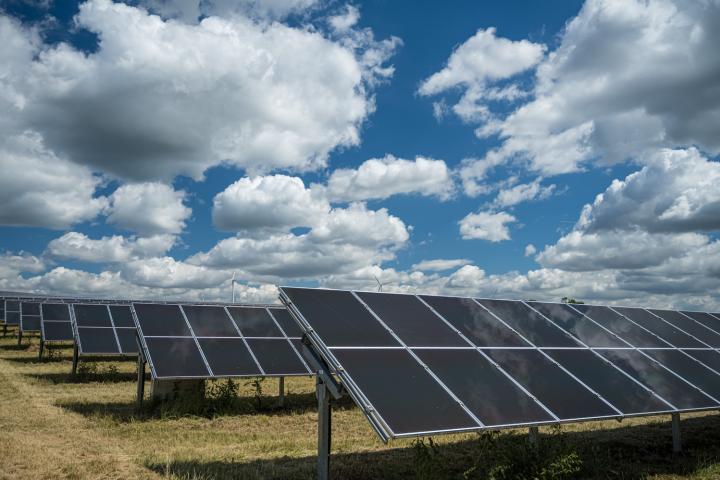
The growth of solar and other renewable energy sources is changing how electricity networks are operated. Renewable generation can vary according to weather and operating conditions, creating a greater need for real-time monitoring and coordinated control.
For solar epc companies, integrating SCADA into solar power infrastructure can provide visibility into generation, equipment status, alarms, and grid-related parameters.
SCADA can help operators monitor:
- Solar plant generation
- Inverter performance
- Transformer parameters
- Substation status
- Grid voltage and frequency
- Power quality
- Equipment alarms
This makes SCADA particularly relevant for epc solar companies working on large renewable energy projects and grid-connected solar assets.
Hartek's Power Systems business reports more than 10 GW of solar connected to the grid and experience across substations and smart-grid solutions.
Packaged Substations and Digital Automation
Compact electrical infrastructure is also becoming important for industrial and commercial applications. A packaged transformer substation can bring together transformer, medium-voltage equipment, busbars, and related components within an integrated solution.
When combined with monitoring and automation, packaged substations can provide centralized visibility into electrical parameters and equipment status.
Hartek's packaged substation solutions include medium-voltage equipment, transformers, and busbars, with the company's portfolio also covering SCADA & Automation and control relay panels.
Why SCADA Matters to EPC Companies in India
For epc companies in india, technology integration is becoming an important part of delivering modern power infrastructure. EPC execution increasingly involves more than engineering, procurement, construction, and commissioning. Projects may require coordinated integration of protection systems, switchgear, automation, communication infrastructure, and control centres.
For top epc companies in india, the ability to integrate these systems can support projects involving:
- Transmission substations
- Distribution networks
- Industrial electrification
- Solar power plants
- Renewable energy substations
- Smart-grid applications
Likewise, top solar epc companies in india need to consider monitoring and grid-interface requirements when developing large-scale renewable assets.
Hartek's Power Systems division states that it has executed 400+ EHV/HV substation and turnkey projects across 21+ states and offers services covering design, equipment supply, construction, testing, commissioning, and operations and maintenance.
The Future of SCADA and Power Automation
The next generation of scada in power systems is expected to become increasingly connected with digital substations, intelligent electronic devices, IoT sensors, advanced analytics, and cybersecurity technologies.
Some important developments include:
Digital Substations
Digital communication and intelligent protection devices can reduce conventional wiring and enable faster information exchange.
Predictive Maintenance
Historical operational data can help identify unusual equipment behaviour and support maintenance planning.
Advanced Analytics
SCADA data can be combined with analytics platforms to identify patterns in load, equipment performance, and network conditions.
Cybersecurity
As electrical infrastructure becomes more connected, cybersecurity becomes an important consideration in designing and operating automation systems.
Renewable and Storage Integration
SCADA and automation can support the monitoring and coordination of solar plants, battery energy storage systems, and other distributed energy resources.
Building Smarter Electricity Networks
Modern electricity networks require a coordinated ecosystem of equipment, protection, communication, monitoring, and automation. SCADA provides the visibility needed by operators, while automation helps translate information into timely operational actions.
From a control and relay panel in substation applications to medium-voltage switchboards, renewable energy plants, and packaged substations, digital technologies are becoming increasingly important for managing complex electrical infrastructure.
As India continues to expand its transmission, distribution, and renewable energy infrastructure, SCADA and automation can serve as important building blocks for more connected and data-driven power networks.
Moving Towards Intelligent Power Infrastructure
The future of electricity management will depend increasingly on the ability to monitor assets, process operational data, coordinate protection systems, and respond efficiently to changing network conditions.
With expertise spanning power systems, renewable energy, power distribution products, SCADA & Automation, and control relay solutions, Hartek Group supports the development of integrated power infrastructure for India's evolving energy landscape.
Frequently Asked Questions
1. What is SCADA in power systems?
SCADA in power systems is a monitoring and supervisory control technology that collects real-time information from electrical equipment and enables operators to monitor and control network assets from a centralized interface.
2. What is the role of a SCADA control system in a substation?
A SCADA control system enables centralized monitoring of equipment status, electrical parameters, alarms, and events while supporting remote supervisory control.
3. How does SCADA work with a control relay panel?
A control relay panel handles protection and control functions, while SCADA collects and displays relevant information and enables supervisory control. Together, they support coordinated substation operation.
4. Why is SCADA important for solar power projects?
SCADA enables operators to monitor generation, equipment status, grid parameters, alarms, and other operating conditions, making it useful for managing large grid-connected renewable energy assets.
5. What equipment can be integrated with SCADA?
SCADA can interface with equipment such as protection relays, circuit breakers, transformers, meters, RTUs, PLCs, IEDs, switchboards, and other intelligent electrical devices, depending on the project architecture.