The global energy sector is undergoing one of the most significant transformations in modern history. For decades, electricity generation relied heavily on centralized fossil fuel plants that supplied power through large transmission networks to end users. While this model fueled industrial growth and economic development, it also created challenges related to carbon emissions, energy security, fuel price volatility, and environmental sustainability.
Today, a new approach is emerging. The modern renewable energy model is fundamentally changing how electricity is generated, stored, transmitted, and consumed. Driven by technological innovation, declining renewable energy costs, supportive government policies, and growing sustainability commitments, countries across the world are reshaping their power systems around cleaner and more resilient energy sources.
From large-scale solar parks and wind farms to advanced storage technologies and hybrid renewable energy systems, the global energy landscape is moving toward a more decentralized and intelligent future. As this transition accelerates, markets such as renewable energy in India are becoming important examples of how emerging economies can lead the next generation of energy transformation.
Understanding the Modern Renewable Energy Model
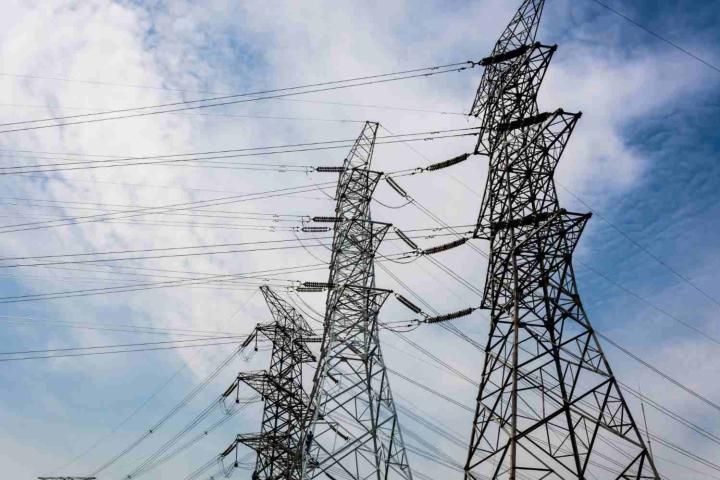
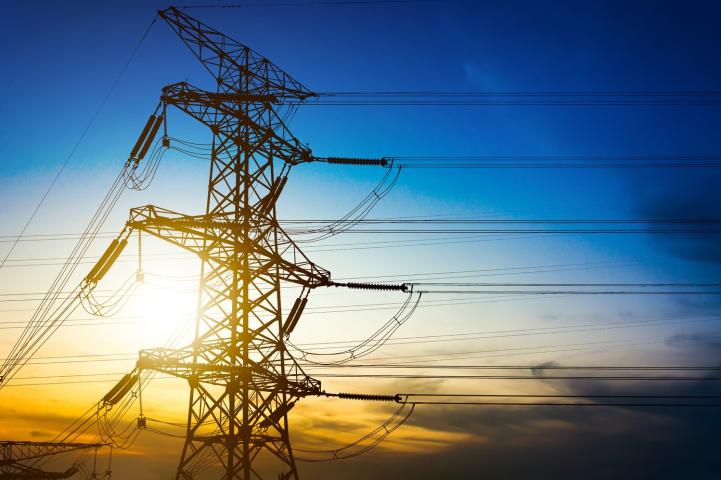
Traditionally, electricity generation followed a simple process: power was generated at centralized thermal plants and transmitted to homes, industries, and businesses through extensive grid networks.
The modern renewable energy model is significantly different.
Instead of depending primarily on a few large power plants, the new model integrates multiple renewable energy sources, distributed generation assets, energy storage technologies, smart grids, and digital monitoring systems.
Key components of the modern renewable energy model include:
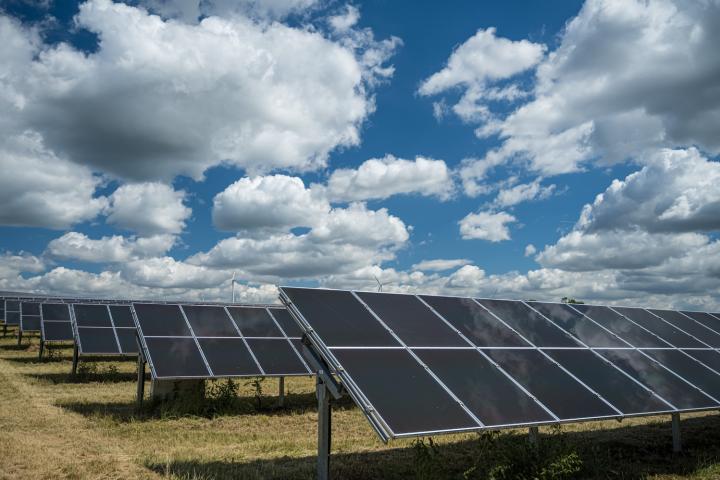
- Solar energy generation
- Wind energy generation
- Energy storage systems
- Smart grid infrastructure
- Distributed generation
- Digital energy management
- Demand response technologies
- Grid modernization solutions
Together, these elements create a more flexible, efficient, and sustainable energy ecosystem.
Why the Renewable Energy Model Is Gaining Global Momentum
Several factors are accelerating the adoption of renewable energy worldwide.
Falling Technology Costs
Over the last decade, solar panel and wind turbine costs have declined dramatically. Advances in manufacturing, supply chain efficiencies, and technological improvements have made renewable power increasingly competitive with conventional energy sources.
As a result, many renewable projects can now generate electricity at costs that rival or outperform fossil fuel-based alternatives.
Growing Climate Commitments
Governments and corporations worldwide have announced ambitious net-zero targets.
Meeting these commitments requires significant reductions in greenhouse gas emissions, making renewable energy a critical component of future energy strategies.
Countries are investing heavily in clean power infrastructure to support long-term sustainability goals.
Energy Security Concerns
Recent geopolitical developments have highlighted the risks associated with dependence on imported fossil fuels.
Renewable energy provides countries with greater energy independence by utilizing locally available resources such as sunlight, wind, and water.
This shift is making the renewable energy model increasingly attractive from both environmental and economic perspectives.
The Rise of Hybrid Renewable Energy Systems
One of the most important developments shaping the modern energy landscape is the growth of hybrid renewable energy systems.
Rather than relying on a single source of power generation, hybrid systems combine multiple technologies to improve reliability and efficiency.
Examples include:
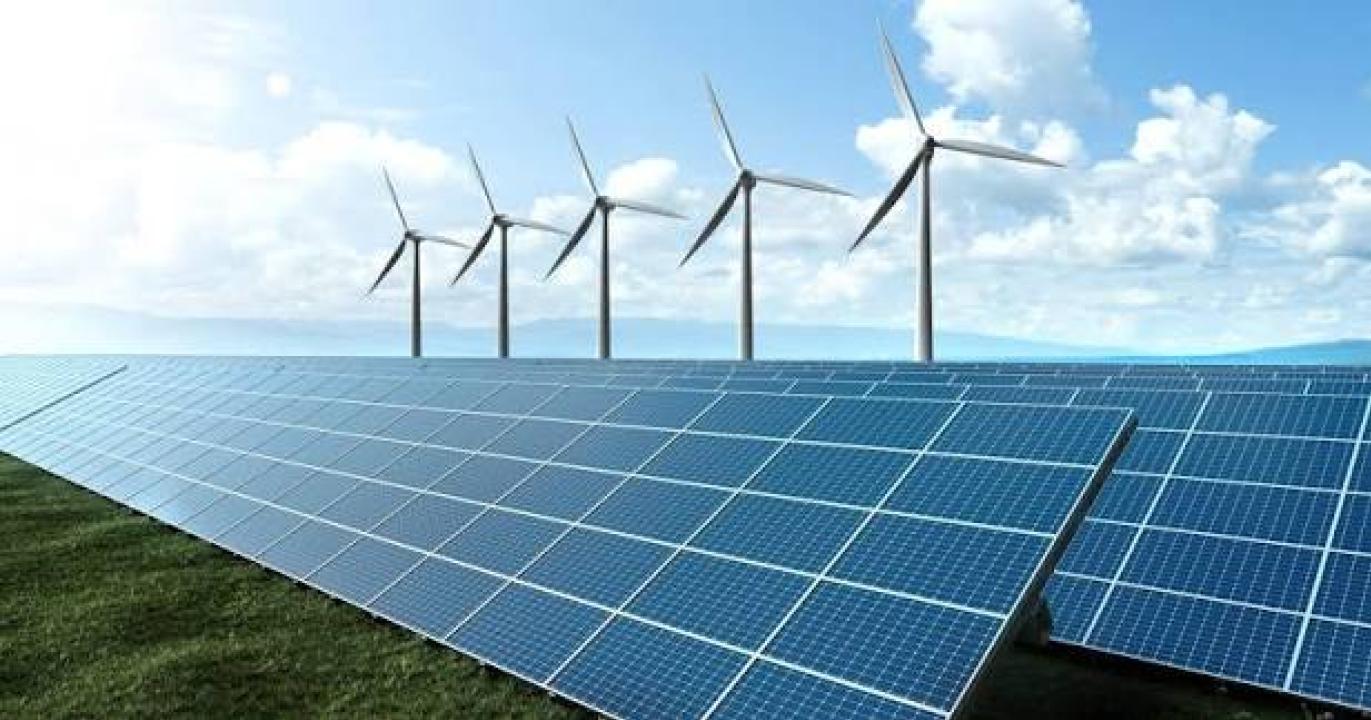
- Solar + Wind
- Solar + Battery Storage
- Wind + Battery Storage
- Solar + Wind + Storage
- Renewable Energy + Green Hydrogen
These systems help address one of the biggest challenges associated with renewable energy: intermittency.
Solar generation depends on sunlight, while wind generation depends on weather conditions. By combining different technologies, hybrid systems can provide more consistent power output and improve overall grid stability.
As renewable penetration increases globally, hybrid renewable energy systems are expected to become a cornerstone of future power infrastructure.
Digital Technologies Are Reshaping Energy Management
Technology is playing a transformative role in making renewable energy more efficient and scalable.
Modern power systems increasingly utilize:
- Artificial Intelligence (AI)
- Machine Learning
- Predictive Analytics
- Internet of Things (IoT)
- Smart Sensors
- Cloud-Based Monitoring Platforms
These technologies allow operators to monitor assets in real time, predict maintenance requirements, optimize energy production, and improve grid reliability.
Smart grids are also enabling utilities to better manage electricity demand and integrate large amounts of renewable energy without compromising system stability.
The result is a more intelligent and responsive energy ecosystem.
Renewable Energy in India: A Global Success Story
Among emerging economies, renewable energy in India has become one of the most compelling examples of energy transformation.
India has established ambitious renewable energy targets while simultaneously addressing rapid economic growth and rising electricity demand.
Several factors are driving this momentum:
Strong Policy Support
Government initiatives have accelerated renewable energy deployment through incentives, auctions, transmission investments, and regulatory reforms.
Expanding Solar Capacity
India has emerged as one of the world's largest solar markets, with utility-scale projects and distributed solar installations growing rapidly.
Renewable Integration Infrastructure
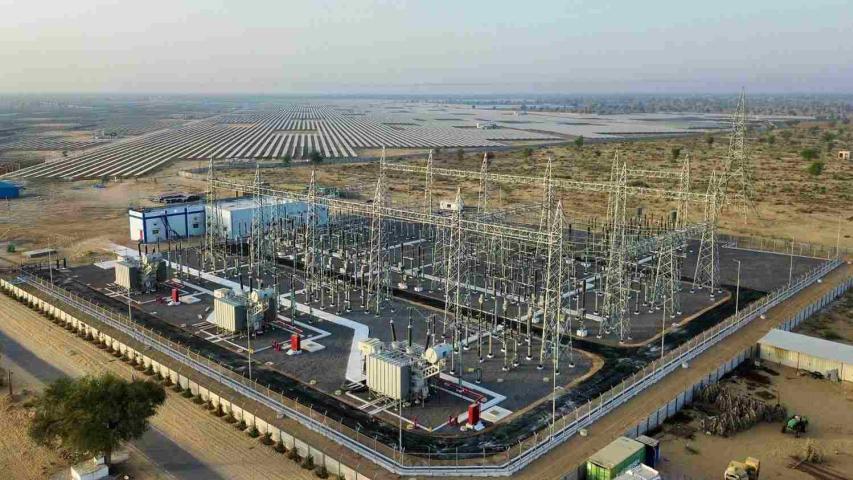
Significant investments in transmission networks, substations, and grid modernization are helping connect renewable energy projects to demand centers across the country.
Corporate Sustainability Commitments
Large industrial consumers are increasingly adopting renewable energy to reduce costs and meet sustainability objectives.
As a result, renewable energy in India is becoming a key pillar of the country's long-term economic and environmental strategy.
The Evolving Role of EPC Solar Companies
The success of renewable energy projects depends not only on technology but also on effective execution.
This is where EPC solar companies play a crucial role.
Engineering, Procurement, and Construction (EPC) providers are responsible for transforming project concepts into operational assets.
Their responsibilities typically include:
- Site assessment
- Engineering design
- Procurement management
- Construction execution
- Grid connectivity
- Commissioning
- Operations support
As renewable projects become larger and more technically sophisticated, EPC expertise is becoming increasingly important.
Today's EPC solar companies are not only building solar plants but also integrating storage systems, smart monitoring solutions, and hybrid renewable energy systems that enhance project performance and long-term value.
How Power Systems Are Changing Globally
The modern renewable energy model is influencing every aspect of global power systems.
Decentralized Generation
Electricity is increasingly being generated closer to where it is consumed, reducing transmission losses and improving resilience.
Increased Grid Flexibility
Energy storage and smart grid technologies allow utilities to respond more effectively to changing demand patterns.
Cleaner Energy Mix
Renewable energy is gradually replacing carbon-intensive power generation sources.
Enhanced Resilience
Diversified energy portfolios improve reliability and reduce dependence on single fuel sources.
Greater Consumer Participation
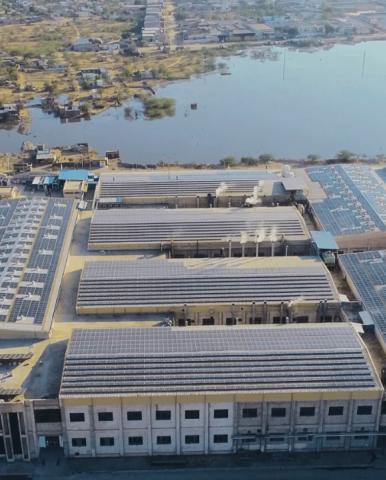
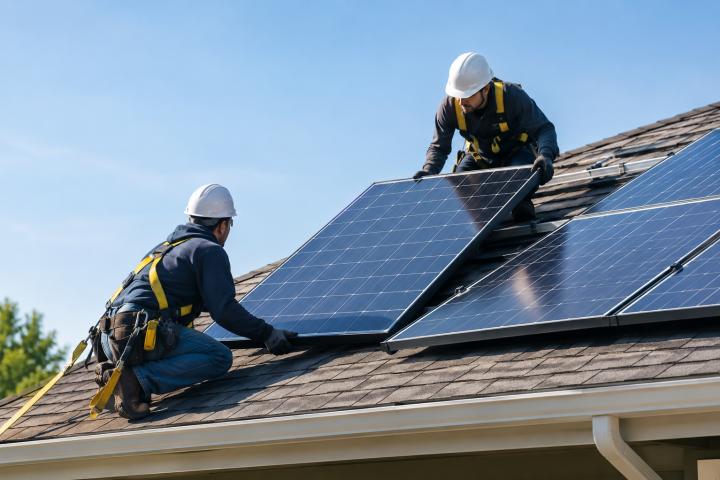
Businesses and households are becoming active participants in energy generation through rooftop solar, battery storage, and demand response programs.
These shifts are creating a more dynamic and sustainable energy ecosystem.
The Future of the Renewable Energy Model
The renewable energy model of the future will likely be characterized by deeper integration between generation, storage, transmission, and digital intelligence.
Emerging technologies expected to accelerate this evolution include:
- Advanced battery storage systems
- Green hydrogen production
- Vehicle-to-grid technologies
- AI-powered grid management
- Floating solar installations
- Next-generation smart grids
As these innovations mature, power systems will become increasingly efficient, flexible, and sustainable.
Countries that successfully embrace this transition will be better positioned to achieve energy security, economic competitiveness, and environmental sustainability.
Partnering for a Sustainable Energy Future
As the global energy transition accelerates, organizations need trusted partners with the expertise to deliver reliable and future-ready energy solutions.
Hartek Group is helping drive this transformation through its capabilities in power systems, renewable energy integration, substations, transmission infrastructure, and advanced energy solutions. By combining engineering excellence with innovation, Hartek Group continues to support the development of resilient and sustainable energy ecosystems that power future growth.
Learn more about Hartek Group and its renewable energy solutions at www.hartek.com.
Frequently Asked Questions (FAQs)
1. What is a renewable energy model?
A renewable energy model is an energy framework that relies primarily on renewable sources such as solar, wind, hydro, and energy storage systems to generate and distribute electricity sustainably.
2. Why are hybrid renewable energy systems important?
Hybrid renewable energy systems combine multiple energy technologies to improve reliability, efficiency, and grid stability while reducing dependence on fossil fuels.
3. How are EPC solar companies contributing to energy transition?
EPC solar companies design, procure, construct, and commission renewable energy projects, ensuring efficient project delivery and long-term operational performance.
4. Why is renewable energy in India growing rapidly?
Supportive government policies, declining technology costs, growing electricity demand, and corporate sustainability initiatives are driving renewable energy growth in India.
5. How does the renewable energy model improve grid resilience?
By integrating distributed generation, energy storage, smart grids, and digital monitoring technologies, the renewable energy model creates a more flexible and reliable power system.
6. What technologies will shape the future of renewable energy?
Battery storage, green hydrogen, AI-powered energy management, floating solar systems, and advanced smart grids are expected to play major roles in the future energy landscape.