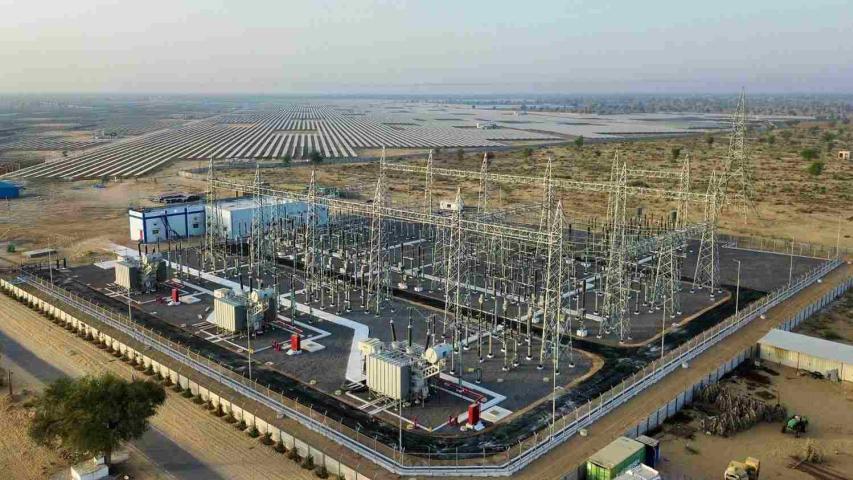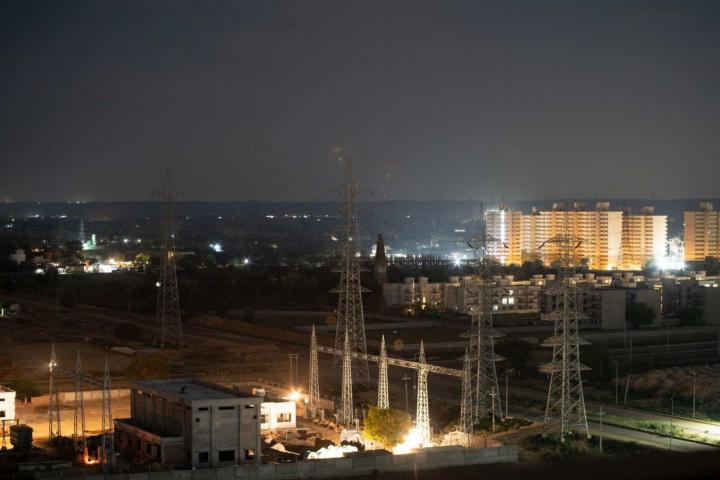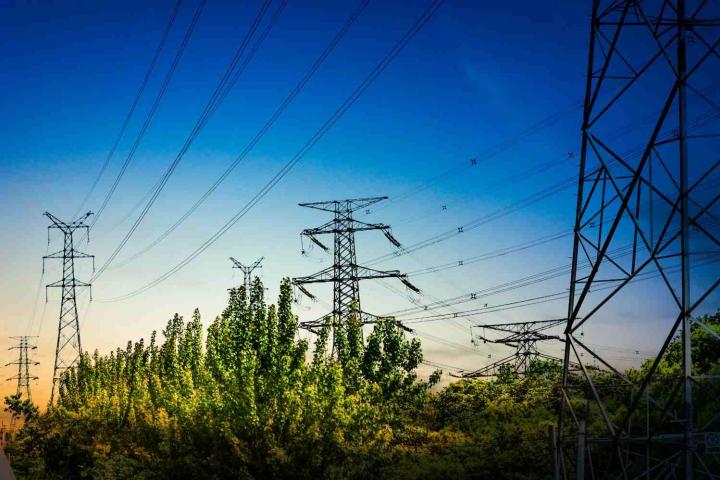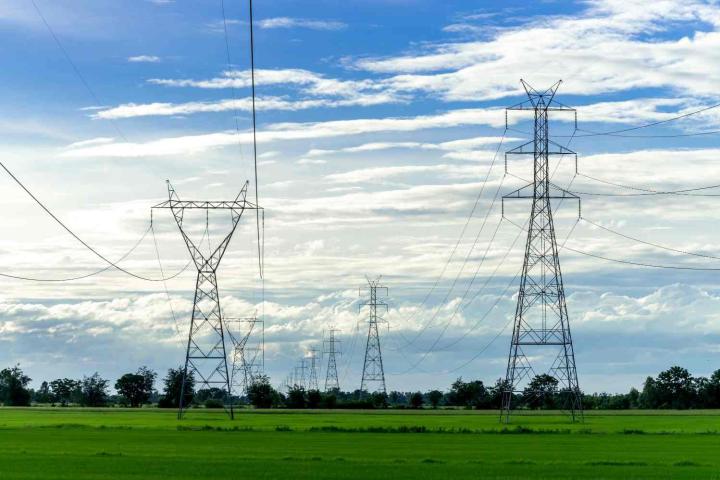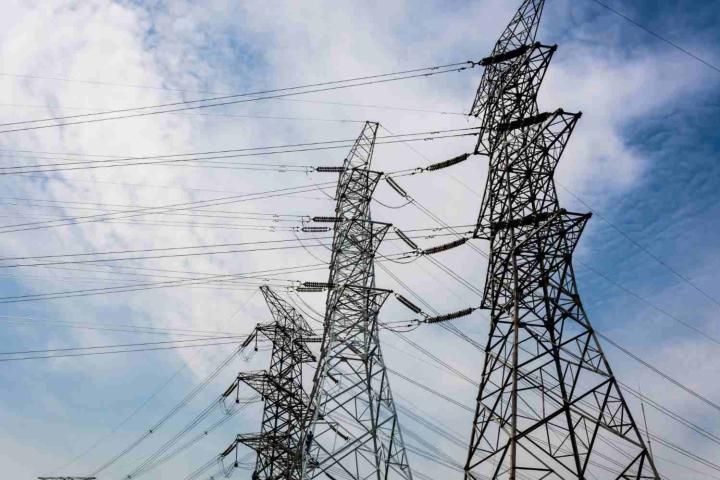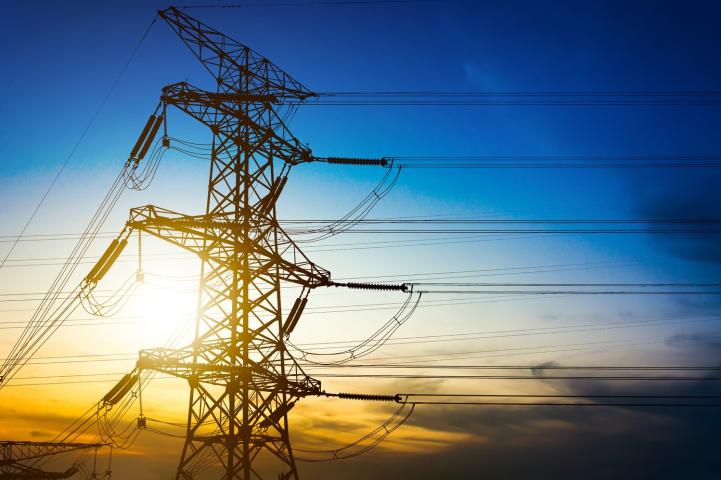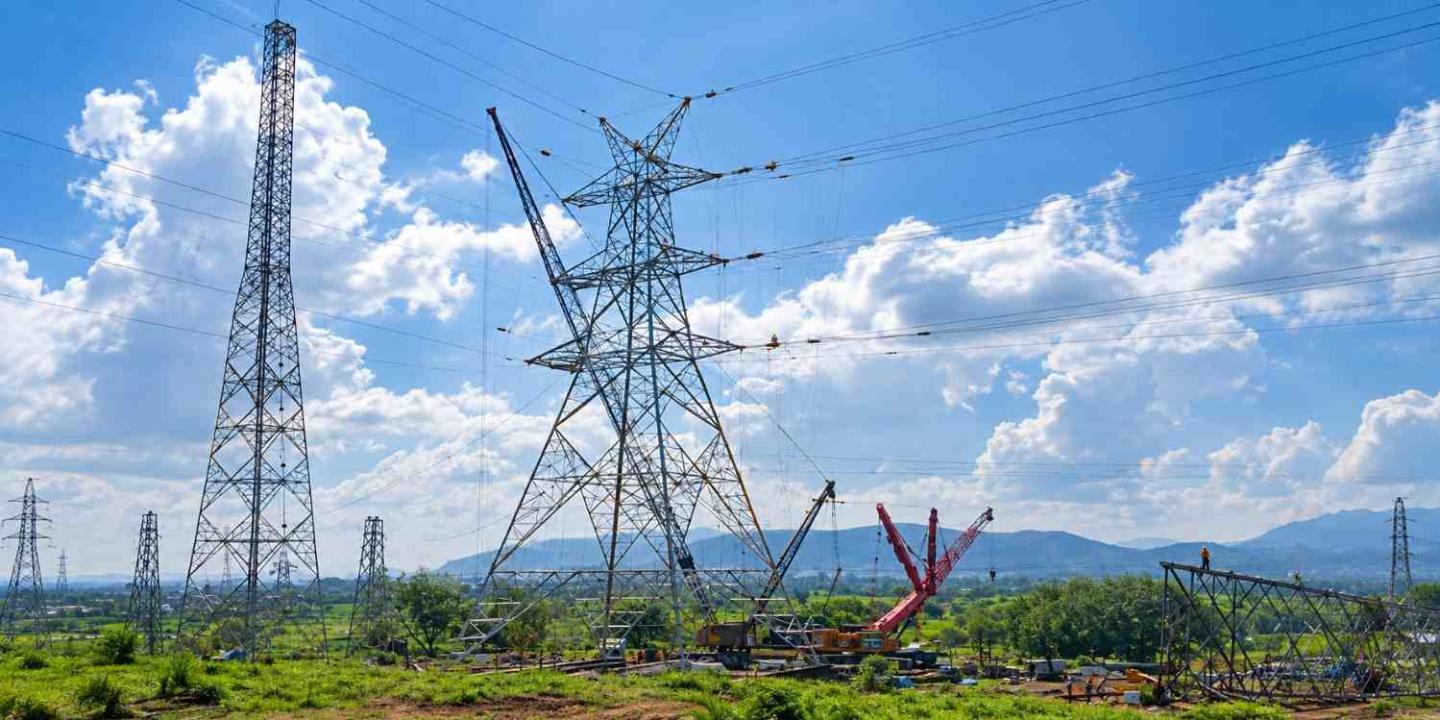
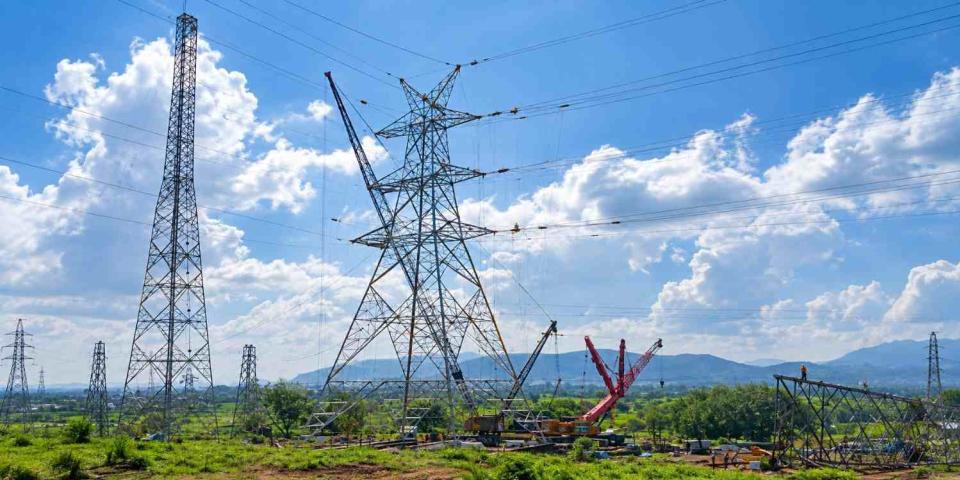
High-voltage power networks form the backbone of electricity transmission, connecting generation plants, substations, industrial facilities, and distribution networks. As electricity demand increases and renewable energy projects expand, these networks require advanced protection and control systems to maintain safe and stable operations.
Protection and control systems help detect electrical faults, isolate affected equipment, coordinate switching operations, and provide operators with real-time information. When properly designed and maintained, they reduce the risk of equipment damage and help limit the impact of electrical disturbances.
For utilities, infrastructure developers, and EPC contractors, these systems are essential components of modern substations and transmission networks.
Key Takeaways
- Protection systems detect faults and isolate affected electrical sections.
- Control panels support switching, monitoring, and substation operations.
- Relay coordination helps prevent unnecessary interruptions.
- SCADA and automation improve operational visibility and response.
- Proper integration of HV, MV, and LV equipment supports dependable network performance.
- Testing, commissioning, and maintenance are essential throughout the equipment lifecycle.
1. Why Protection Systems Are Essential in High-Voltage Networks
High-voltage networks operate under demanding electrical conditions. Faults can result from insulation failure, lightning, equipment malfunction, conductor damage, or other abnormal conditions. If these events are not cleared promptly, they can damage transformers, circuit breakers, transmission lines, and other critical assets.
Protection systems use instrument transformers, protective relays, circuit breakers, and associated wiring to detect abnormal conditions and initiate the appropriate response.
Common protection functions include:
- Overcurrent and earth-fault protection
- Transformer differential protectionTransmission line protection
- Busbar protectionBreaker-failure protection
- Under-voltage and over-voltage protection
The objective is to identify the affected section and isolate it without unnecessarily interrupting healthy parts of the network.
India's Central Electricity Authority has supported the adoption of coordinated protection protocols to help protect grid equipment, isolate faults, and avoid unintended protection operations. (Source: Ministry of Power)
2. The Role of Protective Relays in Fault Detection
Protective relays continuously evaluate electrical measurements such as current, voltage, frequency, and phase relationships. When measured values meet defined fault criteria, the relay sends a trip command to the associated circuit breaker.
A relay control panel provides an organised interface for protection devices, control circuits, indications, and related components.
In high-voltage substations, the design of a control and relay panel must account for the protection philosophy, equipment ratings, wiring arrangements, communication requirements, and operating conditions.
For example, a 132 kv control relay panel may support protection and control functions at a 132 kV substation, depending on the project's approved design and specifications.
Protective relay settings must be coordinated with adjacent protection systems. Incorrect settings can cause delayed fault clearance or unnecessary tripping, potentially affecting a wider section of the network.
3. How Control Panels Support Substation Operations
Protection identifies abnormal electrical conditions, while control systems enable operators and automated schemes to manage equipment.
A control and relay panel in substation applications may include protective relays, control switches, annunciation, status indicators, metering interfaces, and communication interfaces.
These panels can support operations such as:
- Circuit breaker opening and closing
- Isolator status monitoringTransformer and feeder protection
- Alarm indicationLocal and remote control
- Event and fault information recording
The design must provide clear indications and appropriate interlocking so that switching operations follow the approved operating philosophy.
Selecting experienced control relay panel manufacturers in india can help project teams address panel configuration, application-specific requirements, testing, and integration with the wider substation control system.
4. Coordinating High-Voltage and Medium-Voltage Equipment
High-voltage substations work alongside medium-voltage and low-voltage electrical systems. The equipment at each level must be selected and coordinated according to the network design.
A medium voltage switchboard supports switching and protection for medium-voltage feeders and connected equipment. A suitable medium voltage panel can serve applications such as transformer feeders, capacitor banks, motor feeders, and auxiliary power systems.
For low-voltage distribution, developers may work with experienced low voltage switchboard manufacturers to specify equipment for auxiliary loads, control supplies, and other site requirements.
An lv switchgear panel provides switching, distribution, and protection at low voltage. Where a compact installation is appropriate, a packaged transformer substation can integrate medium-voltage switchgear, a distribution transformer, and low-voltage switchboard equipment within a coordinated enclosure.
Hartek's product portfolio includes MV switchboards up to 33 kV, LV switchboards, control relay panels up to 220 kV, packaged substations, and SCADA and automation solutions. (Source: Hartek Power Distribution Products)
5. SCADA and Automation Improve Network Visibility
Modern power networks require more than local protection devices. Operators also need information about equipment status, alarms, electrical parameters, and changing network conditions.
A scada system in power system applications collects data from field equipment and presents it through a supervisory interface. Depending on the system design, it can support remote monitoring, selected control functions, alarm handling, and operational reporting.
A scada control system can help operators view circuit breaker status, transformer measurements, feeder conditions, and other information from connected substations.
A scada based system also supports event recording and data analysis, helping teams investigate disturbances and assess equipment performance.
The broader role of scada in power systems is to improve operational awareness and coordination. However, SCADA does not replace protective relays: local protection schemes must continue to perform their assigned safety-critical functions independently of supervisory monitoring where required by the design.
6. Why Testing and Commissioning Matter
Even well-designed protection and control equipment must be tested before it enters service. Incorrect wiring, configuration errors, communication issues, or unsuitable relay settings can affect system performance.
- Testing and commissioning activities may include:
- Visual inspection and wiring verification
- Insulation and continuity checks
- Protective relay secondary-injection testing
- Circuit breaker trip and close checks
- Interlocking and alarm verification
- Communication and SCADA integration tests
- Verification of approved protection settings
- End-to-end testing where required by the protection scheme
Documentation should record test results, approved settings, configuration details, and commissioning observations. Periodic testing and maintenance are also important as equipment ages or network conditions change.
The Central Electricity Authority's reports on substation equipment failures emphasise the value of proper maintenance records, testing information, and modern asset-monitoring practices. (Source: CEA)
7. Protection and Control in Renewable Energy Infrastructure
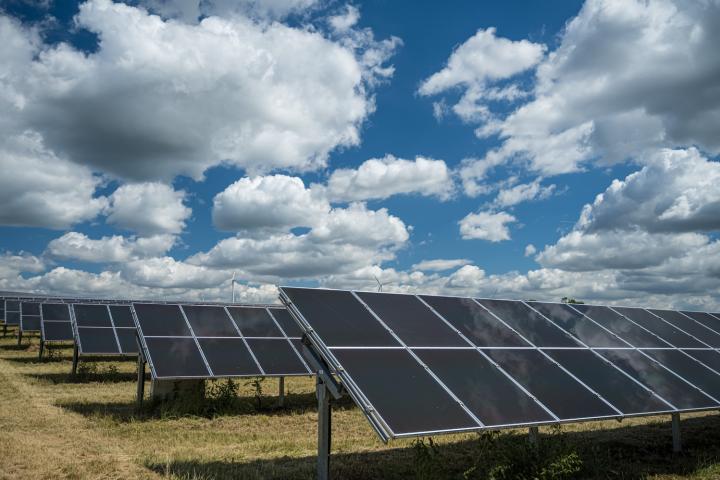
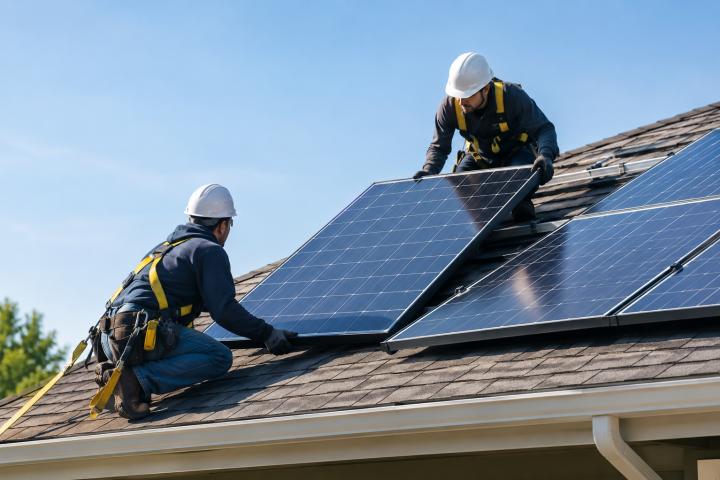
Solar and wind projects introduce additional requirements for grid connection, fault response, and operational monitoring. Their substations must coordinate generation-side equipment with transformers, evacuation lines, and the receiving grid.
This makes protection and control expertise relevant when selecting epc solar companies and other energy infrastructure contractors.
When evaluating epc companies in india, developers should consider engineering capability, substation integration, protection coordination, testing procedures, and commissioning experience—not only generation construction.
Likewise, assessments of top epc companies in india, top solar epc companies in india, and solar epc companies should consider whether a contractor can coordinate renewable generation with the associated electrical infrastructure.
Hartek operates across Power Systems, Renewables, and Power Distribution Products, supporting projects that require coordination between substations, renewable generation, and electrical equipment. Its Power Systems division reports experience in EHV/HV substations and projects up to 765 kV. (Source: Hartek Power Systems)
8. Building More Resilient High-Voltage Networks
The future of high-voltage networks will depend on coordinated protection, digital monitoring, appropriate equipment selection, and disciplined maintenance.
Numerical relays, communication-assisted protection, SCADA integration, and condition monitoring can support faster fault analysis and more informed maintenance decisions. At the same time, cybersecurity, configuration management, and clear operating procedures must remain part of the design.
Utilities and project developers should evaluate protection and control systems as an integrated part of substation engineering—not as separate equipment packages added near the end of construction.
| System component | Primary role |
|---|---|
| Protective relays | Detect faults and initiate protective actions |
| Control and relay panels | Organise protection, control, and indication circuits |
| Circuit breakers | Interrupt fault current when commanded |
| MV and LV switchgear | Support switching and electrical distribution |
| SCADA and automation | Provide monitoring, alarms, and supervisory control |
| Testing and maintenance | Verify performance and preserve operational readiness |
Strengthen Power Networks with Integrated Protection and Control
Reliable high-voltage infrastructure depends on the coordinated performance of protection relays, control panels, switchgear, automation, and commissioning processes. Selecting equipment and partners with the appropriate technical capabilities helps utilities and project developers build substations that meet their operational requirements.
Hartek Group provides power-system engineering, EHV/HV substation execution, power distribution products, and SCADA and automation solutions for India's evolving electricity infrastructure.
Connect with Hartek Group to learn more about its power infrastructure solutions: Visit Hartek
Frequently Asked Questions
1. What is the main purpose of a protection system in a high-voltage network?
Its primary purpose is to detect abnormal electrical conditions and initiate the isolation of faulty equipment to limit damage and reduce the impact on the wider network.
2. What is the role of a control and relay panel?
It houses or organises protection relays, control circuits, indications, alarms, and related interfaces used to monitor and operate substation equipment.
3. How does SCADA support high-voltage substations?
SCADA collects operational data, displays equipment status, manages alarms, and supports remote monitoring and selected control functions.
4. Why is relay coordination important?
Coordination helps ensure that the protection closest to a fault operates as intended, reducing unnecessary interruptions to healthy sections of the network.
5. Why are testing and commissioning necessary?
They verify that wiring, relay settings, breaker operation, interlocking, alarms, and communication interfaces function according to the approved design before the system enters service.