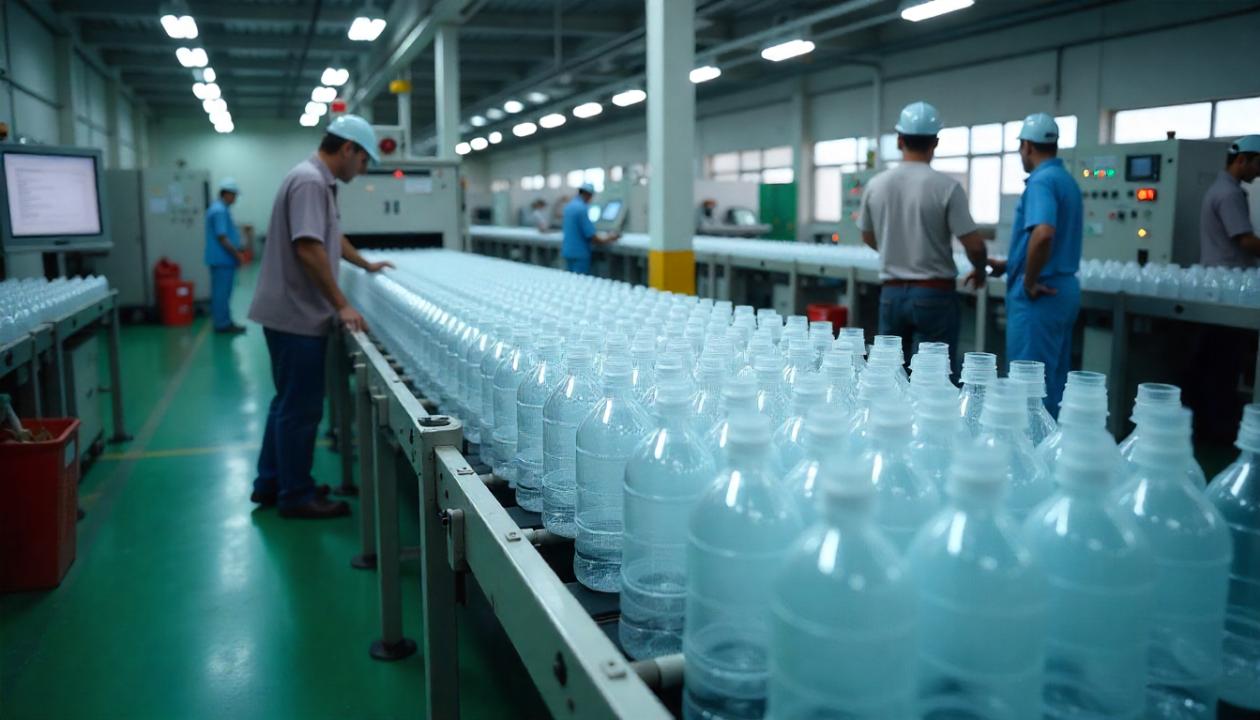
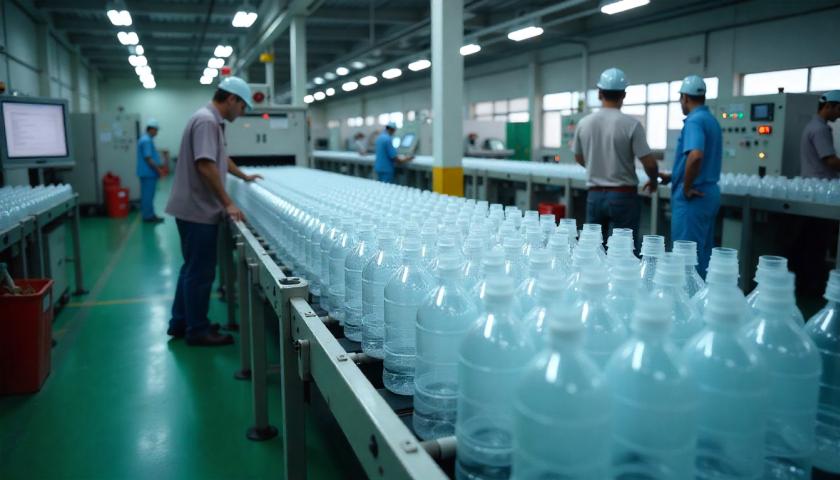
Walk into a modern plastic manufacturing facility and one thing is clear. Production lines move efficiently, molds open and close smoothly, and operators monitor processes from control panels instead of manually adjusting every step. At the heart of this efficiency are extrusion blow molding machines.
Factories across packaging, household goods, chemical containers, and industrial supply depend on these machines not just for production, but for saving both time and material. Understanding how they operate in real factory settings explains why they have become indispensable for large-scale plastic manufacturing.
How Extrusion Blow Molding Machines Operate Efficiently
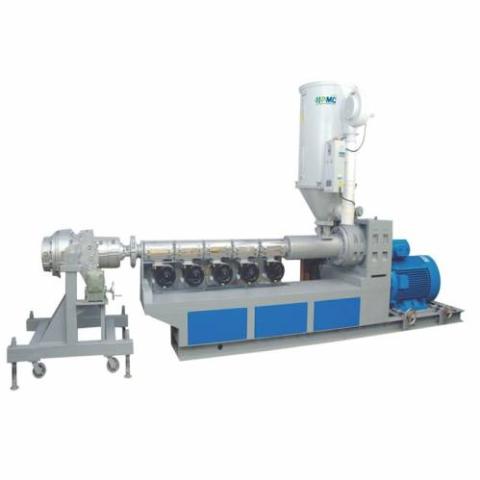
Extrusion blow molding machines transform raw plastic into hollow products such as bottles, containers, and drums through a continuous forming process. Plastic pellets feed into a heated barrel and melt under controlled heat. A screw pushes the molten material forward, forming a tube called a parison. The parison drops between two mold halves, air inflates it to the mold walls, and cooling locks the shape. The mold opens, the product exits, and the cycle repeats.
Modern machines use computer operating systems to regulate every stage, including barrel temperature, screw speed, air pressure, and cooling. This automation keeps the process continuous and consistent, which saves significant time compared to older manual systems.
Why Time Savings Are Important in Production
Time in a factory directly relates to cost and output. Extrusion blow molding machines reduce downtime because the production cycle never stops. The material flow remains continuous, molds open and close at precise intervals, and cooling is integrated into the system.
Operators rely on computer control to make small adjustments while production continues. This eliminates the need to halt the line for corrections, reducing delays during high-volume shifts. Factories can run multiple shifts efficiently without restarting heat cycles or manually adjusting equipment, which translates to hours saved each day.
How Material Efficiency Reduces Waste
Material efficiency is another critical benefit. In traditional systems, uneven parison thickness or inconsistent mold inflation leads to wasted plastic. Extrusion blow molding machines reduce waste because computer operating systems continuously monitor thickness, pressure, and temperature.
The result is balanced walls, minimal trimming, and fewer rejected products. Scrap material can often return into the production process after grinding, further reducing losses. Factories benefit not only financially but also environmentally, as less plastic ends up as scrap.
Real Factory Example One
A plant producing detergent bottles observed material variation causing slight wall thinning in some containers. Using the built-in computer system, operators adjusted screw speed and barrel temperature without stopping production. Production resumed immediately with uniform wall thickness, reducing scrap and maintaining daily targets.
Real Factory Example Two
An industrial container factory faced frequent material trimming during long shifts. Monitoring through the operating system revealed small pressure imbalances during mold inflation. Adjusting air flow and timing corrected the problem. Scrap dropped noticeably, and production continued without interruption, saving both material and labor time.
How Flexibility Supports Efficient Production
Extrusion blow molding machines also save time by handling multiple product types on the same line. Mold changes are simplified because the system stores preset configurations. Small bottles, medium containers, and large drums can be produced without lengthy setups.
This flexibility allows factories to meet changing customer demands quickly while keeping material usage under control. Operators simply select the required mold and settings, and the system adjusts automatically.
Comparison Table: Traditional vs Computer-Controlled Extrusion Blow Molding Machines
| Area | Traditional Blow Molding Operation | Computer-Controlled Extrusion Blow Molding Machines |
|---|---|---|
| Process Control | Operators adjust heat, screw speed, and air manually | Operating system regulates temperature, flow, and pressure automatically |
| Production Time | Frequent pauses for adjustments | Continuous cycles with minimal downtime |
| Material Waste | Higher scrap from inconsistent parison and molding | Lower scrap due to real-time monitoring and correction |
| Quality Consistency | Varies by operator skill and shift | Stable quality across all shifts and operators |
| Flexibility | Changing products requires long manual setup | Stored presets allow quick mold and product changes |
| Energy Usage | Fluctuating heat zones and repeated heating cycles | Balanced energy use through regulated zones |
| Maintenance | Reactive, often after issues arise | Predictive planning using machine data and logs |
DID YOU KNOW?
Factories using computer-controlled extrusion blow molding machines often see a reduction in scrap by up to fifteen percent while maintaining high-volume production for long shifts.
Why Computer Operating Systems Matter
Computer systems in modern extrusion blow molding machines act as the central control hub. They:
- Maintain barrel and mold temperature within precise limits
- Monitor screw speed and material flow continuously
- Adjust air pressure during parison inflation automatically
- Track cooling performance to prevent over or under-cooling
With this automation, operators spend less time reacting to issues and more time focusing on overall production efficiency. The system ensures that every product meets quality standards with minimal waste and maximum speed.
Conclusion: How Extrusion Blow Molding Machines Save Both Time and Material
Factories that rely on extrusion blow molding machines gain more than just higher output. Continuous production cycles save hours every day while automated controls reduce plastic waste significantly. Operators benefit from stable, predictable processes that allow faster shifts, fewer rejections, and flexible product handling.
By combining computer operating systems with precise mechanical design, extrusion blow molding machines have become essential in modern manufacturing. They allow factories to meet high-volume demands efficiently while protecting resources and maintaining quality. For factories aiming to optimize operations, these machines offer both time savings and material efficiency that traditional systems cannot match.
Visit for new updates at www.promoteproject.com