
Most business relocations don’t go wrong on moving day. They go wrong afterwards — when something breaks, someone gets hurt, or insurance doesn’t respond the way you expected.
Moving a business in Australia carries real legal and financial responsibility. You’re responsible for people, property, access areas, and what happens if something goes sideways. Miss one detail and the cost shows up later, not immediately.
This is what actually matters.
Public Liability: Where Businesses Get Exposed During a Move
During a business move, your responsibility doesn’t stop at your office door.
Shared spaces matter. Footpaths. Lifts. Loading bays. Building entrances.
If someone trips, gets injured, or their property is damaged during the move, your business can be pulled into it. That includes incidents involving contractors, visitors, or the public.
Public liability insurance is what protects you here — but only if it actually covers relocation activity. Many policies don’t by default.
Before locking in packers and movers in Melbourne, you need clarity on three things:
Their public liability insurance is current and documented
Your own policy extends to relocation activities
Liability responsibility is clearly stated, not assumed
This is one of the most common blind spots in business moves.
Business Interruption Cover: The Cost of Delays People Don’t Plan For
Most businesses plan the move. Very few plan for the disruption.
Delays happen. Access gets pushed back. Equipment arrives damaged. IT doesn’t come online when promised. Trading stops, even briefly.
Business interruption insurance exists for exactly this reason. It helps cover lost income and fixed expenses while operations are disrupted by insured events.
If your business relies on daily turnover, even a short interruption hurts. That’s why this cover matters when relocating offices, clinics, or service-based operations.
If you’re moving with Melbourne packers and movers, check whether delays linked to transit damage or access issues are recognised under your policy. Don’t assume they are.
Employee Safety Still Sits With You
Moving day doesn’t pause your WHS obligations.
Under Australian workplace safety laws, employers remain responsible for employee safety during relocation periods. That includes areas under temporary control and shared access zones.
Common risks:
- Trip hazards from cartons and cables
- Uncontrolled access to moving areas
- Manual handling injuries
- Poor communication on restricted zones
Employees shouldn’t be lifting heavy items or “helping out” unless that’s part of their role and they’re trained to do it.
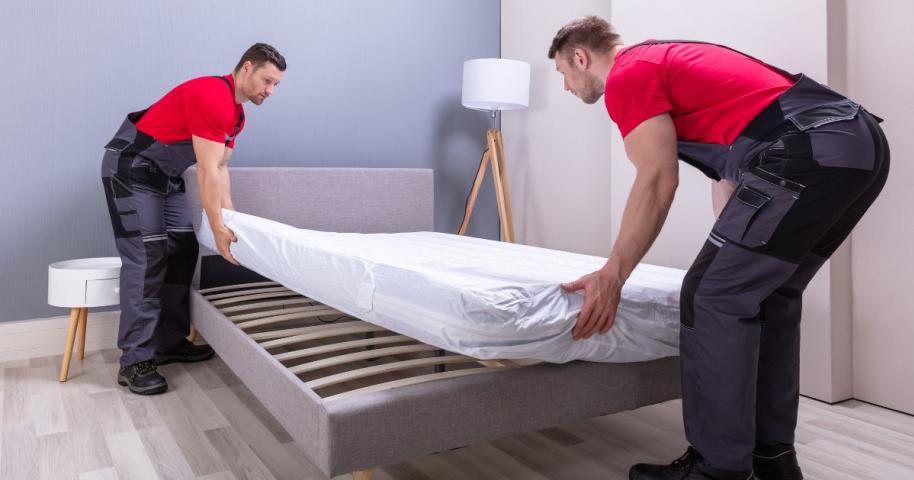
Professional house removalists in Melbourne manage these risks every day. That’s one reason businesses use them instead of relying on staff goodwill.
Protecting Business Assets in Transit and Storage
Business assets aren’t just furniture.
They include:
- IT equipment
- Records and files
- Stock
- Specialised tools
- Fit-out components
Damage or loss isn’t just inconvenient. It can shut down operations or create compliance issues.
This is where transit insurance matters. So does proper packing, controlled handling, and secure transport.
If storage is part of the move, even temporarily, coverage must extend to that period. Not all policies do.
Experienced Melbourne house removalists treat asset protection as standard practice, not an upsell.
Choosing Movers Who Are Actually Fit for Business Relocations
Not every removalist is equipped for commercial work. And not every “office move” provider understands risk.
Before committing, check:
- Public liability insurance
- Workers compensation coverage
- Experience with commercial relocations
- Clear written liability terms
- Equipment suitable for heavy or sensitive items
If a provider hesitates when asked for documentation, that’s your answer.
Reputable packers and movers in Melbourne will provide this without being chased.
Permits, Building Rules and Local Compliance
This part gets ignored — until it causes delays.
Business moves often require:
- Parking permits
- Loading bay bookings
- Lift access approvals
- Compliance with building management rules
- Proper disposal of unwanted items
Councils and building managers don’t bend rules on moving day. Miss a requirement and the move slows down.
If the relocation involves multiple locations or interstate sites, compliance becomes more complex again.
Established Melbourne packers and movers are used to working within these constraints and coordinating access properly.
A Simple Insurance Check Before Moving Day
Before anything is packed, confirm:
- Public liability insurance applies to the move
- Business interruption cover is active
- Transit and storage insurance are confirmed
- Workers compensation obligations are met
- Contractor insurance has been verified
- Permits and access approvals are in place
If one of these is missing, fix it before moving forward.
Why Professional Movers Reduce Risk, Not Just Effort
A business relocation isn’t the place to cut corners.
Professional house removalists in Melbourne reduce risk because they:
- Control access and movement
- Handle assets correctly
- Work within safety systems
- Understand insurance boundaries
- Limit downtime
The right movers don’t just move things. They protect continuity.
Final Word for Australian Business Owners
Insurance and safety aren’t extras when moving a business. They’re the baseline.
Work with experienced Melbourne house removalists, confirm coverage properly, and meet your safety obligations before the first box leaves the floor.
Done properly, a move sets your business up for the next stage. Done poorly, it creates problems that surface months later.
This is one area where preparation actually pays off.