
Moving day often starts with good intentions. Boxes sit ready near the door. Furniture is packed. You feel prepared.
Then the problems begin.
The lift is not booked. The truck cannot park near the building. The couch will not fit through the hallway. Suddenly a move that should take three hours begins to stretch into five or six.
Apartment moves in Melbourne create these situations every week. Removalists see the same mistakes again and again. Most families do not realise how many small rules and access problems exist inside apartment buildings until the moving truck arrives.
Many people planning relocation spend time reading resources like a Melbourne to Adelaide movers hiring guide when they move interstate. Yet many local apartment moves fail because people overlook simple building logistics.
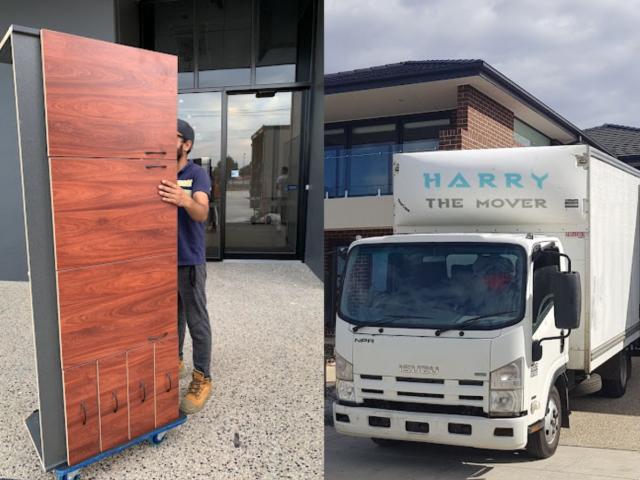
Professional movers deal with these situations every day. Teams working across Melbourne, including operators such as Harry The Mover, often say most apartment moving problems come from missing preparation, not heavy furniture.
This guide explains the things removalists wish every apartment resident knew before moving day. You will learn the problems that slow apartment relocations and the steps that help your move run smoothly.
Many families check a Melbourne house moving price guide while planning their relocation budget. However apartment moves often cost more time when building access, parking, and lift rules create delays.
A little preparation can prevent those problems and turn a stressful moving day into a manageable one.
Why Apartment Moves in Melbourne Are More Complicated Than House Moves
A house move usually starts with one big advantage. The truck can park close to the front door. Movers carry boxes straight inside.
Apartment buildings rarely work that way.
Most Melbourne apartment towers sit on busy streets where trucks cannot park easily. Movers may need to carry furniture across footpaths, through security doors, down long corridors, and into lifts before they even reach the apartment.
That extra distance slows the entire move.
Apartment Living Is Growing Across Melbourne
Melbourne continues to build more high-rise apartments each year. Suburbs such as Southbank, Docklands, Carlton, and Richmond now have large numbers of residential towers.
More people living in apartments means removalists handle more moves inside buildings that were not designed for large furniture transport.
Many buildings have:
• narrow hallways • small elevators • shared loading areas • underground parking limits • security access systems
These design features make apartment relocations slower than house moves.
Access Restrictions Inside Apartment Buildings
Apartment buildings also operate under management rules. Residents must follow these rules when they move furniture through shared spaces.
Typical restrictions include:
• lift bookings before moving day • limited moving hours • protection covers inside elevators • security approval for movers
If these steps are not arranged early, movers may arrive ready to work but must wait before the move can start.
Takeaway Removalists often say apartment access problems can easily add one or two extra hours to a move when residents do not organise building access ahead of time.
Lift Bookings and Building Rules Most Movers Forget
One small detail causes more apartment moving delays than anything else.
The lift was never booked.
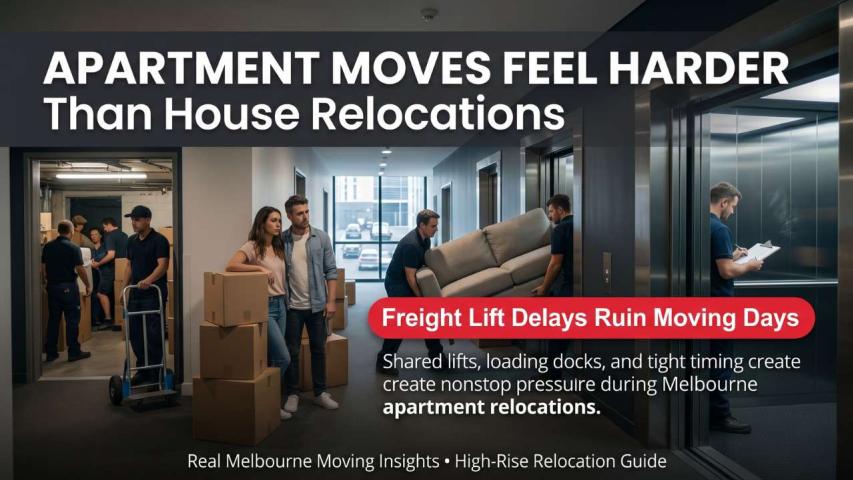
The moving truck arrives. Movers load the trolley. Then building management stops the move because another resident already reserved the lift.
Now everyone waits.
Why Apartment Buildings Require Lift Bookings
Apartment lifts serve dozens or even hundreds of residents every day. Building managers use booking systems to control traffic and protect the lift from damage during moves.
Large furniture, trolleys, and boxes can scratch lift walls or block other residents from using the elevator.
Lift booking systems help prevent these problems.
Most buildings require:
• advance booking several days before the move • specific moving time slots • protective padding inside lifts • approval from building management
Without these arrangements, movers may not receive permission to transport furniture through the building.
Common Lift Restrictions Across Melbourne Apartments
Each building has different policies, but several rules appear frequently.
Many apartments enforce:
• strict moving hours • elevator weight limits • limited booking windows • mandatory lift protection covers
These rules exist to protect shared facilities and reduce disruption for other residents.
Takeaway Removalists often report that missing lift reservations turn simple apartment moves into long waiting periods before furniture can even enter the building.
Truck Access and Parking Problems Around Apartment Buildings
Parking a moving truck outside an apartment building sounds simple. In reality, it often becomes one of the biggest challenges on moving day.
Many apartment towers sit on narrow streets where parking is restricted. Some buildings sit next to tram lines or busy intersections where trucks cannot stop for long.
When the truck cannot park close to the entrance, movers must carry every box further.
Melbourne Parking Rules Affect Removalist Trucks
Local councils regulate where large vehicles can stop near apartment buildings.
Common restrictions include:
• permit-only parking zones • loading areas with time limits • tram route restrictions • peak-hour clearways
If movers arrive and cannot find legal parking, they must search nearby streets before unloading.
Why Truck Distance Matters
Every extra metre between the truck and the building adds time to the move.
Movers may carry heavy furniture across footpaths, through gates, and along corridors before reaching the lift.
A move that should finish in three hours can quickly take much longer.
Planning ahead helps prevent these delays.
Useful preparation steps include:
• checking council parking rules • reserving a loading zone where possible • notifying building management about truck arrival • confirming underground parking height limits
Takeaway Even a short extra distance between the truck and the building entrance can slow an apartment move because every item must travel that additional space.
Furniture Size and Access Problems Inside Apartments
Large furniture often creates surprises during apartment relocations.
Many pieces that fit comfortably inside the apartment cannot pass through hallways, lifts, or staircases when it is time to move out.
Removalists see this problem regularly.
The couch fits inside the living room. But when movers try to take it out, the hallway turns out to be too narrow.
Furniture That Often Causes Moving Delays
Certain items frequently create access problems.
Common examples include:
• L-shaped couches • double-door refrigerators • wide wardrobes • large dining tables • oversized bed frames
These items may fit inside the apartment but struggle to pass through building access points.
Why Furniture Disassembly Helps
Professional movers often solve these problems by taking furniture apart before moving it.
Items that usually allow disassembly include:
• bed frames • modular sofas • tables with removable legs • shelving units
Preparing large furniture in advance helps movers move items safely through tight building spaces.
Takeaway When furniture is ready for disassembly before moving day, movers save time and avoid damage to walls, lifts, and furniture.
Packing Mistakes Removalists See During Apartment Moves
Packing mistakes cause many moving day problems.
Boxes break. Fragile items crack. Movers spend extra time sorting through unlabelled cartons.
These issues slow the entire move.
Why Weak Boxes Cause Damage
Many people collect free boxes from supermarkets. These boxes often lack the strength needed for moving heavy household items.
Common packing mistakes include:
• overfilling boxes • placing books in large cartons • using worn cardboard boxes • leaving fragile items unprotected • failing to label boxes clearly
These problems make stacking harder and increase the chance of damage.
Packing Habits That Make Moving Easier
Removalists follow simple packing rules that protect belongings and speed up the moving process.
Helpful tips include:
• keep boxes below 20 kilograms • pack heavy items in small cartons • wrap fragile items with packing paper • label boxes by room • prepare an essentials box for moving day
Takeaway Strong boxes and clear labels help movers unload faster and protect your belongings during transport.
Best Time to Schedule an Apartment Move in Melbourne
Timing plays an important role in apartment relocations.
Heavy traffic, busy building schedules, and limited lift access can slow a move if the timing is poor.
Traffic Patterns That Affect Removalists
Melbourne traffic becomes busiest during commuter hours.
Peak traffic often appears:
• weekday mornings before 9 AM • weekday afternoons after 4 PM • Friday evenings • large public events
Removalist trucks may take longer to reach apartment buildings during these periods.
Days That Work Better for Apartment Moves
Removalists often recommend midweek moves because buildings and roads are quieter.
Good moving times usually include:
• Tuesday • Wednesday • early morning start times
These periods often provide easier lift access and better parking availability.
Takeaway Midweek morning moves usually run faster because traffic is lighter and building facilities are easier to reserve.
How Clear Communication With Removalists Prevents Most Problems
Many apartment moving delays happen because movers do not receive important information before the job begins.
Removalists rely on clear details to plan the move.
Information Movers Need Before Arrival
Before moving day, movers usually ask several key questions.
Important details include:
• apartment floor level • lift booking confirmation • parking availability • large furniture dimensions • stair access if lifts fail
Accurate information helps movers prepare the correct equipment and plan the move efficiently.
Simple Communication Steps Before Moving Day
Apartment residents can make the process easier by confirming several details early.
Helpful steps include:
• notify building management about the move • confirm lift booking times • check parking availability • measure large furniture • share photos of bulky items if necessary
Takeaway When movers receive accurate information before the job begins, they can prepare properly and complete the move faster.
Simple Apartment Moving Checklist Before Moving Day
Apartment moves become easier when you follow a clear preparation plan.
One Week Before Moving
• confirm the moving date • book lift access • notify building management • start packing non-essential items • organise packing supplies
Three Days Before Moving
• finish packing boxes • label cartons clearly • disassemble large furniture • prepare essentials bag • confirm arrival time with movers
Takeaway When everything is packed before the truck arrives, movers can begin work immediately and finish the move faster.
Frequently Asked Questions
How far in advance should I book removalists for an apartment move?
Most moving companies recommend booking two to three weeks before your moving date. End-of-month periods and weekends often become busy, so early booking helps secure your preferred schedule and gives you time to arrange building access.
Do apartment buildings require lift bookings for moving?
Many Melbourne apartment buildings require lift reservations before furniture can move through the building. Management teams use booking systems to protect elevators and prevent congestion.
What should I confirm with building management before moving?
You should check lift booking requirements, moving hours, loading zones, parking restrictions, and protective lift coverings before moving day. Some buildings also require removalists to register with security.
How do removalists move furniture that does not fit in lifts?
Movers usually dismantle large furniture items so they can pass through elevators or hallways. Bed frames, sofas, and tables often come apart and can be reassembled after the move.
What is the best day to move apartments in Melbourne?
Midweek days such as Tuesday or Wednesday usually work best. Removalists often have better availability, traffic is lighter, and building lifts are easier to reserve.
How long does an apartment move usually take?
A typical one- or two-bedroom apartment move often takes three to six hours, depending on building access, furniture volume, and parking conditions.
Do removalists provide packing supplies?
Many removalist companies provide packing boxes, tape, wrapping materials, and protective covers. Some also offer full packing services before the move.
Can removalist trucks park outside Melbourne CBD apartments?
Parking near CBD apartment buildings can be limited because of permit zones, clearways, and tram routes. Residents may need to organise loading zones or temporary parking arrangements before moving day.