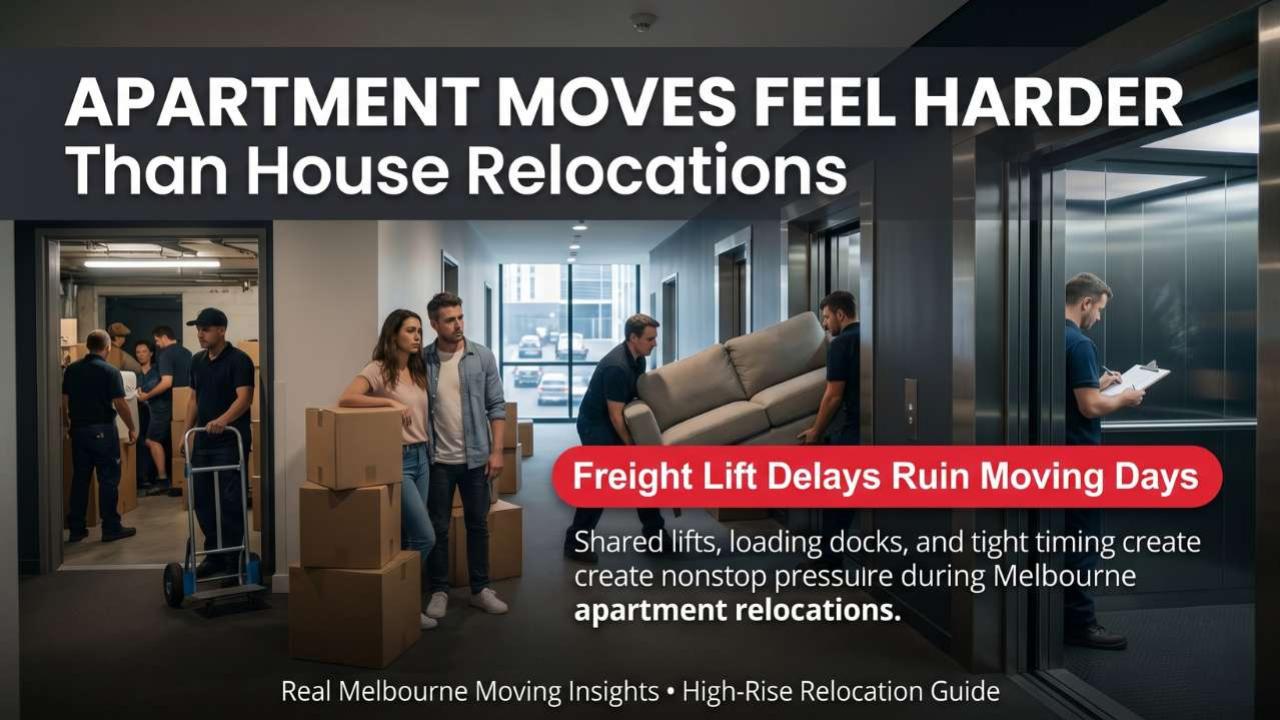
Most people think house moves feel harder because houses contain more furniture and bigger rooms. Then apartment moving day arrives in Melbourne, and the stress starts before the truck unloads the first box.
The freight lift stops working. A resident blocks the loading bay. Basement parking feels too tight. By lunchtime, simple tasks feel mentally exhausting.
Apartment relocations create constant interruptions. People do not struggle because they carry more furniture. They struggle because apartment buildings create delays every hour during the move.
Many residents say a long interstate trip feels easier than a short CBD relocation. Some people moving from Melbourne to Adelaide even report smoother logistics than apartment residents relocating between two nearby Melbourne suburbs.
Across Southbank, Docklands, Carlton, Richmond, and Brunswick, apartment towers now operate under stricter access systems than ever before. Freight lift bookings, concierge approvals, loading dock rules, and basement restrictions slow almost every stage of the relocation.
This guide explains why apartment moves feel more exhausting than house relocations, what problems create the most stress, and how experienced movers reduce delays before they become serious moving day problems.
Apartment Moves Create Constant Mental Pressure
Small Delays Quickly Become Bigger Problems
House moves usually follow a simple routine. Movers load the truck, drive to the property, and unload furniture without many interruptions.
Apartment relocations rarely work that way.
One delayed freight lift affects the unloading schedule immediately. A blocked loading dock forces movers to wait outside. Residents then rush decisions while they manage cleaners, keys, parking access, and building staff at the same time.
People become mentally tired because they solve small problems all day without proper breaks.
Shared Spaces Increase Stress Levels
Apartment buildings force residents to share almost everything during moving day. Elevators, hallways, swipe-access doors, and parking zones all operate on strict timing.
Common apartment moving problems include:
- delayed freight lift access
- loading dock congestion
- neighbour complaints
- basement parking restrictions
- building management approvals
House relocations usually avoid these problems because residents control the property access directly.
Apartment Moves Drain Energy Faster
Apartment residents often feel exhausted earlier because they stay alert during the entire relocation process. They monitor movers, elevators, trucks, access cards, cleaners, and schedules without stopping.
Several Melbourne relocation planners now report that access delays create more moving stress than heavy furniture lifting itself.
Melbourne High-Rise Buildings Slow Down Simple Moves
Freight Lifts Delay Unloading
Many Melbourne apartment towers allow moving only during limited booking windows. Some buildings share one service lift between residents, contractors, and delivery drivers.
If another booking runs late, the next relocation starts behind schedule immediately.
That delay creates extra pressure because movers must work faster while trucks stay parked outside waiting.
Basement Parking Creates More Physical Work
House moves usually allow direct driveway access near the entrance. Apartment buildings rarely provide that convenience.
Moving trucks often stop further away because of:
- low basement clearance
- restricted loading zones
- narrow turning areas
- traffic congestion
- building access rules
Movers then complete more trolley trips through elevators and corridors. That extra movement drains energy quickly.
CBD Apartment Towers Create More Moving Friction
Southbank, Docklands, and Carlton apartment buildings now operate under stricter access systems than older residential properties.
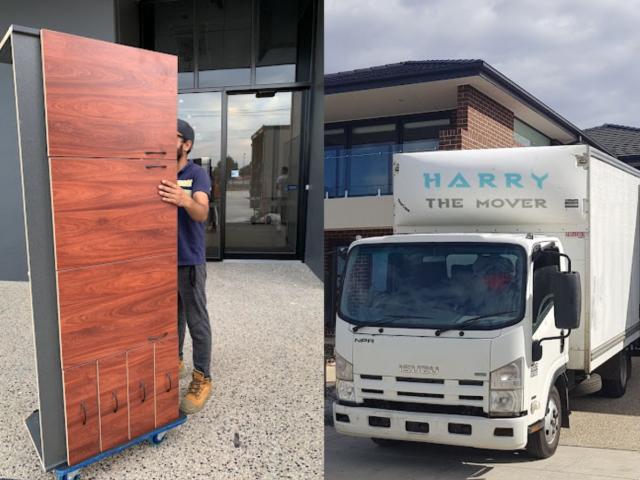
Several Melbourne movers, including Harry The Mover Melbourne Furniture removalists, now leave extra timing gaps between CBD bookings because apartment tower delays happen more often than before.
One relocation coordinator recently explained that unloading a two-bedroom Southbank apartment took longer than moving a larger suburban house because freight lift waiting times repeatedly interrupted the unloading process.
Apartment Moves Feel More Mentally Exhausting Than Physical
Residents Rarely Get Time to Reset
House relocations usually create short recovery periods during the day. Residents can pause while movers organise furniture inside garages or driveways.
Apartment relocations feel continuous because shared facilities control the entire workflow.
Residents often move from one stressful task directly into another without proper breaks.
Constant Interruptions Break Concentration
Apartment buildings create more distractions than detached homes. Residents often stop moving tasks because they deal with:
- concierge questions
- access card issues
- delivery drivers
- neighbour complaints
- delayed lift bookings
Each interruption forces people to restart their focus repeatedly throughout the day.
Settlement Timing Creates More Pressure
Apartment relocations become harder when settlement schedules change unexpectedly. Delayed key collection affects freight lift reservations, unloading access, and truck timing at the same time.
Many residents searching for moving on settlement day explained only discover later how difficult apartment timing coordination becomes during busy moving periods.
Several Melbourne relocation planners now say emotional fatigue becomes the biggest apartment moving problem long before physical exhaustion begins.
Apartment Buildings Introduce Rules Most People Never Expect
Building Management Controls the Move
Many apartment residents discover building restrictions only days before relocation day. At that stage, changing schedules becomes difficult and expensive.
Modern apartment towers often require:
- freight lift reservations
- mover insurance documents
- approved moving hours
- wall protection
- loading dock bookings
Missing one requirement may delay the entire move.
Concierge Systems Add Extra Delays
Many Melbourne high-rise towers now operate under controlled access systems. Concierge staff manage contractors, deliveries, and resident bookings throughout the day.
That security improves building safety, but it also slows apartment relocations.
Movers sometimes wait outside while building staff confirm unloading permissions or loading dock access.
Furniture Damage Becomes More Likely
Apartment furniture moving becomes harder because access paths stay narrower and more restricted. Large furniture pieces travel through hallways, elevators, stairwells, and basement entrances before reaching the apartment.
That extra handling increases the risk of:
- scratched walls
- damaged lift panels
- chipped corners
- hallway marks
- furniture dents
Several Melbourne movers now complete pre-move inspections because newer apartment buildings create more complicated access conditions.
House Moves Feel Simpler Because Access Stays Flexible
Driveway Access Speeds Up the Move
House relocations feel more organised because movers usually park close to the entrance. They unload furniture directly into the property without relying on shared building systems.
Apartment relocations involve more access checkpoints between the truck and the apartment itself.
Houses Give Residents More Space
Apartment living compresses everything into smaller areas during moving day. Boxes, furniture, cleaning supplies, and personal belongings quickly fill the available floor space.
Houses create more flexibility because residents can:
- organise furniture gradually
- stage boxes temporarily
- keep pathways clear
- use garages for storage
- separate unpacking zones
That extra space reduces mental pressure during relocation.
Fewer Restrictions Reduce Stress
House relocations usually avoid:
- freight lift delays
- concierge approvals
- loading dock conflicts
- basement restrictions
- neighbour complaints
Several Melbourne relocation planners now report that detached house moves often finish faster than smaller apartment relocations because fewer operational problems interrupt the workflow.
Common Apartment Moving Mistakes Create Bigger Delays
Most Problems Start Before Moving Day
Apartment relocations rarely become stressful because people own too much furniture. Problems usually begin when residents underestimate building access rules and timing restrictions.
One missed lift booking or parking mistake may affect the entire moving schedule within minutes.
Small Planning Mistakes Create Serious Problems
Many apartment moving issues look minor at first. Later, they become major delays during unloading.
The most common apartment moving mistakes include:
- booking movers before reserving freight lifts
- ignoring basement height limits
- underestimating walking distance
- moving during peak CBD traffic
- forgetting furniture measurements
- assuming settlement timing stays exact
Several of these mistakes create more stress than heavy lifting itself.
Poor Coordination Drains Energy
Apartment relocations work best when every moving stage follows a clear schedule. One disruption quickly affects several other tasks.
Late key collection may delay:
- truck unloading
- cleaner access
- freight lift bookings
- parking permits
- building approvals
Experienced movers now say careful planning prevents more apartment moving problems than extra manpower alone.
Experienced Apartment Movers Focus on Workflow
Professional Movers Check Access Early
Experienced apartment movers usually inspect building access before relocation day. Small access problems often create major unloading delays later.
Professional movers check:
- freight lift dimensions
- basement height clearance
- hallway width
- truck parking access
- loading dock availability
That preparation reduces last-minute problems during the move.
Timing Buffers Reduce Pressure
Apartment relocations rarely follow the original schedule exactly. Traffic congestion, delayed lifts, and building approvals regularly slow unloading across Melbourne CBD suburbs.
Experienced movers leave extra timing gaps between apartment bookings. That flexibility helps residents avoid panic when delays happen unexpectedly.
Efficient Workflow Reduces Stress
Professional movers do not simply carry furniture faster. They organise the workflow carefully inside apartment buildings.
Efficient teams usually:
- group furniture by unloading order
- protect shared surfaces early
- reduce hallway congestion
- stage boxes near elevators
- coordinate truck timing carefully
That organised system creates a calmer moving experience for everyone involved.
Real Southbank Apartment Relocation Example
A recent Southbank apartment relocation showed how quickly small delays affect high-rise moving schedules.
The residents moved between two-bedroom apartments located less than six kilometres apart. The relocation looked simple on paper because the furniture volume stayed relatively small.
The apartment move still took longer than a larger four-bedroom suburban house relocation completed during the same week.
The building operated under strict freight lift booking rules. Another resident’s delivery booking ran overtime and delayed unloading before movers entered the tower.
Additional delays followed:
- loading dock congestion
- repeated lift waiting times
- restricted truck repositioning
- basement traffic interruptions
- narrow hallway furniture turns
The relocation still finished smoothly because movers planned extra timing buffers before the move started. They grouped furniture carefully, staged boxes near elevators, and reduced unnecessary trolley movement throughout the building.
Several Melbourne relocation planners now report similar scheduling patterns across newer Southbank and Docklands apartment towers. Building access complexity often affects moving duration more than furniture volume itself.
Conclusion
Melbourne apartment moves feel exhausting because the pressure rarely stops during relocation day. Shared spaces, freight lifts, basement access, and strict timing systems create continuous mental strain.
House relocations usually involve heavier lifting and larger furniture loads. Apartment moves create tighter coordination problems that drain energy much faster.
Freight lift delays, loading dock restrictions, and settlement timing all affect apartment relocation schedules. One disruption can quickly create several new moving problems inside busy high-rise towers.
Careful planning helps residents avoid many apartment moving frustrations before delays become serious. People who confirm access details early and allow extra timing flexibility usually experience smoother apartment relocations across Melbourne suburbs.
Frequently Asked Questions
Why do apartment moves feel harder than house moves?
Apartment relocations involve more access restrictions and shared building systems. Residents manage freight lifts, loading docks, basement parking, and building approvals during the move.
House relocations usually allow direct access and fewer operational interruptions.
Why do apartment relocations take longer?
Apartment moves slow down because movers rely on elevators, loading zones, and shared hallways. Traffic congestion and basement access restrictions also affect unloading speed.
Even small delays quickly extend the moving schedule.
What creates the biggest apartment moving delays?
Freight lift waiting times create many apartment moving delays across Melbourne high-rise buildings. Basement restrictions, loading dock congestion, and concierge approvals also slow relocations.
Several small interruptions usually combine into larger scheduling problems.
Do apartment buildings require freight lift bookings?
Many Melbourne apartment towers require residents to reserve freight lifts before moving day. Some buildings also request mover insurance documents and loading dock bookings.
Missing those requirements may delay unloading access.
Why does moving furniture through apartments feel difficult?
Apartment buildings create narrower and more restricted access paths. Large furniture pieces travel through elevators, corridors, stairwells, and basement entrances before reaching the apartment.
That extra handling increases physical effort and furniture damage risk.
Is settlement day moving harder in apartments?
Apartment relocations become more stressful during settlement periods because timing windows stay tight. Delayed key collection may affect freight lift reservations and unloading schedules immediately.
Several apartment residents experience more coordination pressure during settlement day moves.
Are professional apartment movers worth hiring?
Experienced apartment movers understand high-rise building logistics, freight lift coordination, and loading dock systems across Melbourne suburbs.
That operational experience helps reduce delays, stress, and access problems during relocation day.
Which Melbourne suburbs create difficult apartment moving conditions?
Southbank, Docklands, Carlton, Richmond, and Brunswick often create more apartment moving problems because of traffic congestion and high-density apartment towers.
Newer buildings also introduce stricter access systems and shared facility restrictions.