
Moving house in Australia looks very different in 2026 than it did a few years ago. Housing costs remain high, migration patterns continue to shift, and many households need more time to plan a successful relocation.
This report explains what is happening across Australia's moving industry and why it matters. It combines migration trends, moving cost patterns, consumer behaviour insights, and industry observations to provide a practical view of the current market.
Several clear trends stand out. More Australians are moving to regional cities. Housing affordability continues to influence relocation decisions. Consumers now spend more time comparing providers before making a booking.
The moving process also starts earlier than before. Many households begin researching providers during the early stages of hiring Essendon removalists, often before they finalise property settlements, lease agreements, or moving dates.
The industry itself continues to change. Removalist companies are responding to higher customer expectations, growing demand for complete relocation services, and increased use of digital technology.
As a content marketing specialist with more than ten years of experience covering Australia's moving sector and Melbourne's suburban relocation market, I continue to observe how families prepare, budget, and relocate in changing economic conditions.
This report draws on industry observations, housing market research, migration data, and publicly available information collected throughout 2025 and 2026. It highlights where Australians are moving, what they are paying, how they choose providers, and what the industry expects next.
Australia's Relocation Landscape in 2026
Australia's relocation market remains active in 2026. People still move for work, family, housing, and life>
Many households leave expensive inner-city areas and search for locations that offer better housing value. Flexible work arrangements also allow more people to live further from traditional employment centres.
Population growth continues to place pressure on housing supply in many regions. As a result, migration activity remains strong across both metropolitan and regional Australia.
For removalists, these changes create new demand patterns, longer planning cycles, and different customer expectations.
National Migration Activity Remains Strong
Several factors continue to drive relocation activity across Australia:
- Housing affordability pressures
- Rising rental costs
- Flexible work arrangements
- Family life>
- Population growth in regional centres
- New housing developments
Many Australians now have more freedom to choose where they live. This flexibility supports movement into areas that previously attracted fewer residents.
What's Driving Moving Decisions in 2026?
Most households focus on practical needs when planning a move.
Common priorities include:
- Affordable housing
- Larger homes
- Outdoor space
- Reduced commuting
- Better schools
- Family support networks
These factors influence both local and interstate relocation decisions.
Key Takeaway: Housing affordability, flexibility, and life>
Where Australians Are Moving in 2026
Australians continue to relocate in large numbers, but destination preferences have changed. Regional cities and outer suburban growth areas attract many households that seek more space and lower housing costs.
Migration data shows continued movement away from some high-cost inner-city locations. At the same time, several regional centres continue recording strong population growth.
Improved transport networks and flexible work arrangements make regional living more practical for many families.
Life>
Fast-Growing Relocation Destinations
Several locations continue attracting strong inbound migration:
- Geelong, Victoria
- Ballarat, Victoria
- Bendigo, Victoria
- Sunshine Coast, Queensland
- Gold Coast, Queensland
- Toowoomba, Queensland
- Perth growth corridors, Western Australia
These locations often provide larger homes, lower housing costs, and expanding infrastructure.
Areas Experiencing Higher Outbound Migration
Some locations continue experiencing stronger outbound migration:
- High-cost inner-city suburbs
- Areas with limited housing supply
- Regions with sustained rental increases
- Established metropolitan locations with smaller housing stock
Families often move away from these areas when they require more space or better affordability.
Case Study: Melbourne Families Choosing Regional Victoria
A common trend throughout 2025 and 2026 involves Melbourne households relocating to Geelong, Ballarat, and Bendigo.
Many families move from smaller metropolitan properties into larger homes while remaining within practical travel distance of Melbourne. This trend reflects a broader shift toward affordability and life>
Key Takeaway: Regional cities and outer growth corridors remain the strongest migration destinations in Australia during 2026.
Moving Costs Across Australia Have Changed Significantly
Moving costs remain a major concern for Australian households. Many consumers report higher relocation expenses than they expected because several cost factors continue increasing.
The final price of a move depends on more than distance. Property access, home size, crew requirements, timing, packing services, and transport costs all influence pricing.
Removalist companies also invest more in insurance, safety systems, vehicles, technology, and staff training. These investments improve service quality but increase operating costs.
As a result, quote comparisons have become more important for consumers.
Average Moving Costs in 2026
Typical moving cost ranges include:
- Local house move: $900–$2,500
- Large family home move: $2,500–$6,000
- Melbourne to Sydney move: $3,500–$9,000
- Melbourne to Brisbane move: $4,000–$11,000
Interstate relocations often show the widest price differences due to transport logistics.
What's Driving Higher Moving Costs?
Several factors influence current pricing:
- Fuel expenses
- Labour shortages
- Vehicle maintenance
- Insurance requirements
- Safety compliance
- Customer service demands
These pressures affect removalist businesses across Australia.
How Consumers Are Responding
Many households adjust their moving plans to control costs.
Common approaches include:
- Requesting quotes earlier
- Comparing multiple providers
- Choosing off-peak dates
- Reducing household belongings
- Selecting bundled services
Planning ahead often helps consumers avoid unexpected expenses.
Key Takeaway: Early preparation and transparent quote comparisons help households manage relocation costs more effectively.
How Consumer Behaviour Has Changed During the Moving Process
Consumer behaviour has changed significantly during the last few years. Most households now spend more time researching providers before making a booking decision.
Trust plays a larger role than price alone. Consumers want clear pricing, genuine reviews, insurance information, and evidence of experience.
Online research now influences nearly every stage of the customer journey. People compare websites, reviews, service inclusions, and communication quality before requesting quotes.
This longer decision-making process reflects a stronger focus on reducing moving-day risks.
Consumers Are Researching More Before Booking
Many consumers complete several research activities before selecting a provider.
Common examples include:
- Reading Google reviews
- Comparing quote inclusions
- Checking insurance details
- Reviewing company experience
- Looking for recent feedback
- Visiting websites and social media profiles
Consumers want confidence before committing to a moving company.
Digital Convenience Is Now Expected
Technology plays a larger role throughout the moving process.
Many households prefer:
- Online quote requests
- Virtual inspections
- SMS updates
- Email communication
- Digital inventories
- Electronic paperwork
Businesses that simplify communication often create a better customer experience.
Value Matters More Than Price
Consumers increasingly focus on reliability, communication, and transparency.
Many households will pay more when they believe a provider offers a smoother and less stressful relocation experience.
Key Takeaway: Today's moving customer is more informed, more cautious, and more research-focused than previous generations.
What Removalists Are Experiencing on the Ground
Removalist companies face a very different operating environment in 2026. Demand remains strong, but customers expect more support before, during, and after a move.
Many businesses spend more time on planning, communication, and customer service than they did a few years ago.
Customers also request broader service packages. Instead of booking transport alone, many households want assistance with packing, storage, furniture setup, and relocation planning.
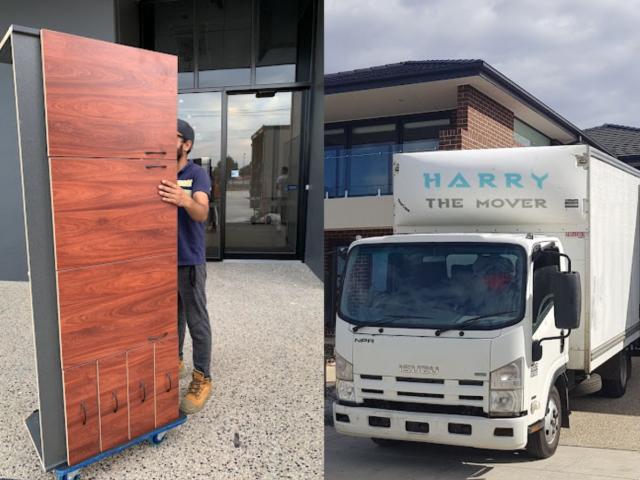
Industry observations from businesses such as Harry The Mover Melbourne house removalists show increasing demand for complete residential relocation services rather than transport-only bookings.
Staffing and Workforce Challenges
Labour remains one of the industry's largest challenges.
Many businesses continue managing:
- Skilled worker shortages
- Training requirements
- Safety obligations
- Employee retention
- Seasonal demand peaks
These factors can affect booking availability during busy periods.
Demand for Full-Service Relocations Is Growing
Many customers now prefer comprehensive relocation solutions.
Popular services include:
- Professional packing
- Storage solutions
- Furniture disassembly
- Furniture reassembly
- Moving supplies
- Relocation planning support
This trend reflects growing demand for convenience.
Technology Supports Daily Operations
Many operators invest in systems that improve efficiency.
Common examples include:
- Digital inventories
- Route optimisation software
- Online booking systems
- Automated customer updates
These tools help businesses improve productivity and customer communication.
Key Takeaway: Removalists that invest in people, technology, and customer service continue adapting to changing market conditions.
Emerging Technology and AI in Australia's Moving Industry
Technology continues to support operational improvements across the moving industry. Most businesses use technology to improve efficiency rather than replace human expertise.
Digital systems help removalists respond faster, organise jobs more effectively, and improve communication.
Technology also helps customers access information and receive quotes more quickly.
AI-Powered Quoting and Booking
Many companies now use:
- AI-assisted quoting tools
- Online inventory forms
- Virtual assessments
- Automated booking confirmations
These systems improve consistency and reduce administrative work.
Operational Efficiency Improvements
Businesses also invest in:
- Route optimisation
- Automated updates
- Digital scheduling
- Electronic documentation
These tools help improve service delivery and operational efficiency.
Key Takeaway: Technology helps removalists improve accuracy, communication, and workflow management throughout the relocation process.
Predictions for Australia's Moving Industry in 2027
Current market conditions suggest that relocation activity will remain strong throughout 2027. Housing affordability and life>
Regional locations should remain attractive to households seeking larger homes and lower housing costs.
Technology adoption will continue growing, but customer trust and service quality will remain important decision-making factors.
As planning timelines become longer, many households now search for practical information about how to coordinate with Altona removalists alongside settlement schedules, utility connections, and property access requirements.
Trends Likely to Continue
Several trends appear likely to continue:
- Regional migration growth
- Full-service relocation demand
- Digital quoting adoption
- Consumer research before booking
These trends have strengthened throughout recent years.
Areas to Watch in 2027
Several factors may influence future industry conditions:
- Housing affordability
- Interest rates
- Population growth
- Infrastructure investment
- Relocation technology
Businesses that adapt quickly may gain competitive advantages.
Key Takeaway: Regional migration, technology adoption, and customer experience will likely shape Australia's moving industry during 2027.
Conclusion
Australia's moving landscape continues to change. Migration patterns evolve, regional destinations attract new residents, and consumers spend more time researching providers before making decisions.
Housing affordability, life>
Households that prepare early, compare providers carefully, and understand quote inclusions often achieve better moving outcomes. A well-planned relocation usually reduces stress, controls costs, and improves the overall experience.
Key Takeaway: Australians who make informed decisions and plan ahead can achieve smoother, more predictable relocations in 2026 and beyond.