
The fitness industry is becoming increasingly digital as gyms, fitness studios, and wellness centers look for smarter ways to manage daily operations. Manual scheduling, cash payments, and fragmented data systems no longer meet modern customer expectations. Building a gym management app allows businesses to automate bookings, payments, and member engagement while improving efficiency and scalability. With the right templates and real-world inspiration, gym owners can launch solutions that deliver both convenience and control.
Understanding the Purpose and Scope of a Gym App
Before starting development, it is important to define the purpose of the application clearly. A successful gym management app centralizes bookings, subscriptions, attendance, and trainer schedules in one platform. In the planning phase, the gym management app should be aligned with business goals such as reducing admin work, increasing member retention, and improving revenue visibility. Clear scope definition helps avoid feature overload and keeps development focused on real user needs.
Core Features with Practical Templates
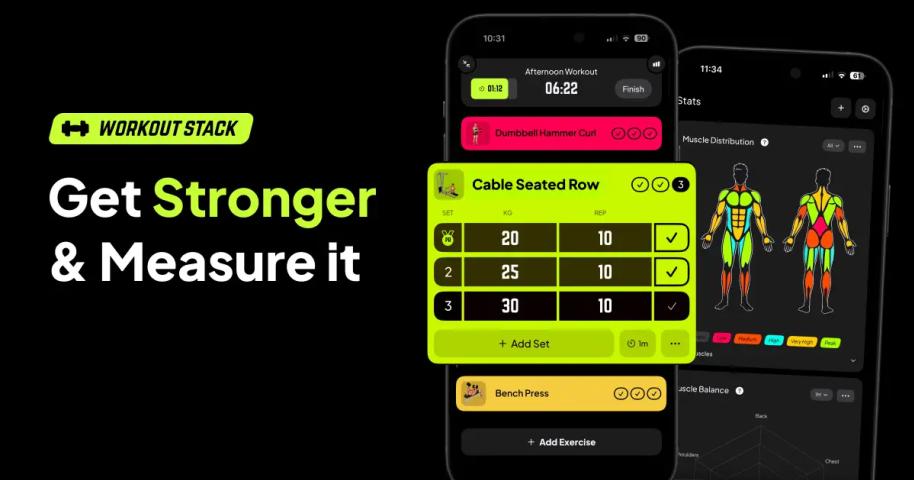
Most modern gym solutions follow proven feature templates. These include member registration, class booking calendars, trainer profiles, payment modules, and progress tracking dashboards. A custom gym management app can adapt these templates based on gym size, whether it is a single studio or a multi-location chain. Using a structured gym management software system ensures consistency across features while allowing flexibility for branding and unique workflows.
Real-World Examples of Automation in Gyms
Real-world gym apps demonstrate how automation improves daily operations. For example, many fitness studios use automated class booking systems that update availability in real time. Payment automation enables members to subscribe to monthly plans without manual follow-ups. These examples show how a gym management app reduces no-shows, improves cash flow, and enhances the overall member experience by making interactions seamless and predictable.
On-Demand Models and Member Convenience
The rise of the on-demand gym management app model has changed how members interact with fitness services. Users expect instant access to schedules, trainers, and payment options from their smartphones. An on-demand gym management app allows members to book sessions anytime, receive instant confirmations, and manage memberships without visiting the front desk. This flexibility not only improves satisfaction but also helps gyms optimize resource utilization.
Platform Choice and Development Expertise
Choosing the right platforms is critical for reach and performance. Many gyms opt for cross-platform availability to serve both Android and iOS users. Working with an experienced Android App Developer and iOS App Developer ensures native performance, smooth navigation, and secure integrations. Their expertise helps translate business requirements into stable, scalable applications that perform well across devices and operating systems.
Security, Payments, and Compliance Best Practices
Handling personal and financial data requires strong security measures. Secure payment gateways, encrypted data storage, and role-based access protect sensitive information. Compliance with data protection and payment standards builds trust and credibility. A well-structured gym management software system integrates these safeguards without compromising app performance or user experience.
Mobile-First Design and Development Strategy
A mobile-first approach is essential in the sixth stage of planning, where mobile app development focuses on usability and engagement. Push notifications for class reminders, payment alerts, and promotional offers keep users active. Offline access to basic schedules and profiles adds convenience. Thoughtful mobile app development ensures the gym management app remains intuitive, fast, and reliable for both staff and members.
Scaling, Analytics, and Future Enhancements
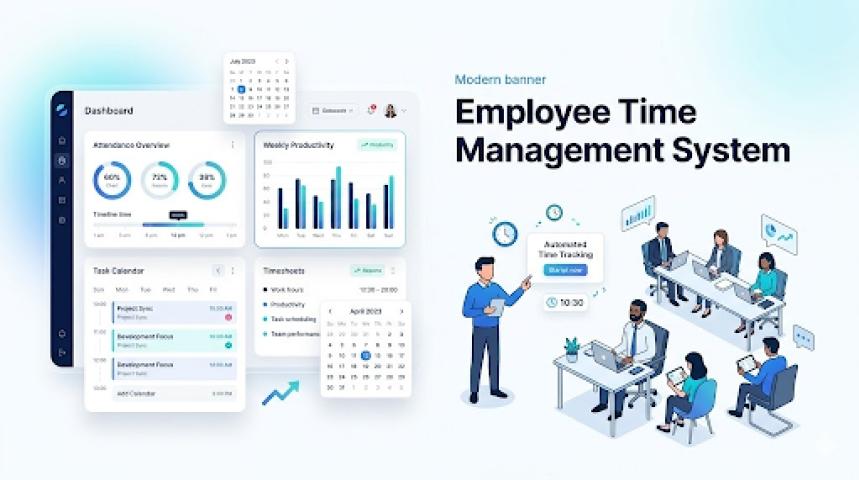
As gyms grow, analytics become essential. Dashboards showing attendance trends, popular classes, and revenue performance help owners make informed decisions. Integration with fitness wearables and personalized training plans can further enhance value. These features turn a custom gym management app into a long-term growth platform rather than just an operational tool.
Final Words
To build a gym management app to streamline bookings, payments, member tracking, trainer schedules, and fitness plans with secure digital features, businesses must combine proven templates with real-world insights. By focusing on automation, user convenience, and scalable technology, gyms can create digital solutions that support efficiency today and sustainable growth in the future.