
The real estate industry is evolving fast. From managing multiple properties to handling compliance, finances, and customer relationships, the pressure to stay organised has never been higher. This is where ERP software development services are quietly transforming how real estate businesses operate.
The Growing Challenges in Real Estate Operations
Real estate companies often struggle with disconnected systems and manual workflows. Common pain points include:
- Scattered data across sales, leasing, and finance teams
- Delays in reporting and decision-making
- Difficulty managing vendors, tenants, and assets at scale
- Compliance and documentation risks across regions
When systems don’t talk to each other, growth becomes stressful instead of strategic.
Why ERP Matters in the Real Estate Sector
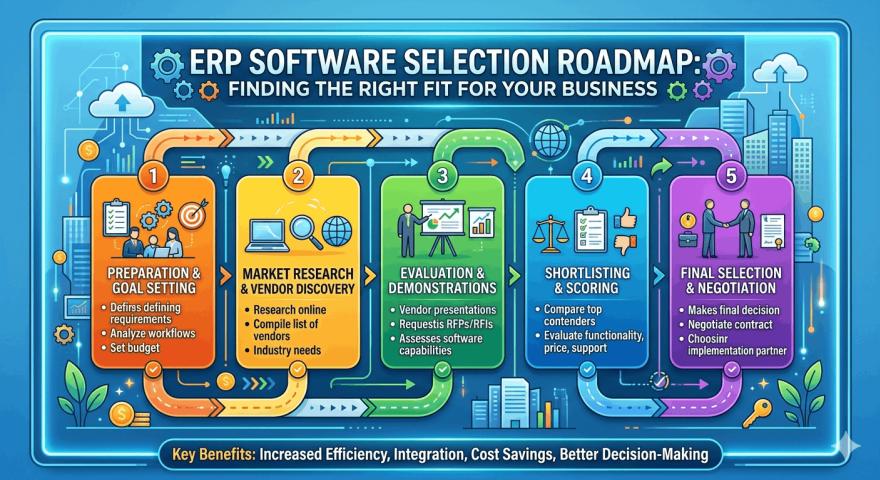
ERP (Enterprise Resource Planning) software brings all critical business functions into a single, integrated platform. For real estate businesses, this means:
- Centralized property and asset management
- Real-time financial visibility
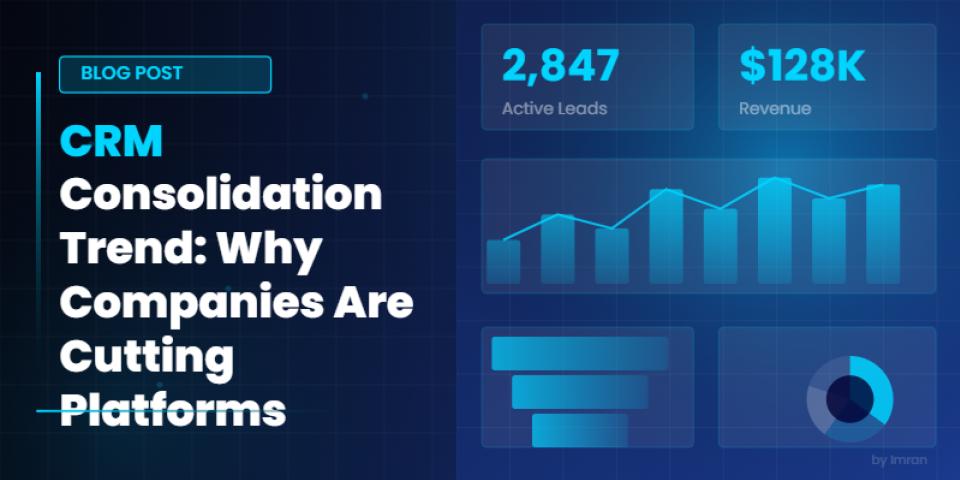
- Streamlined lease, sales, and CRM processes
- Better forecasting and data-driven decisions
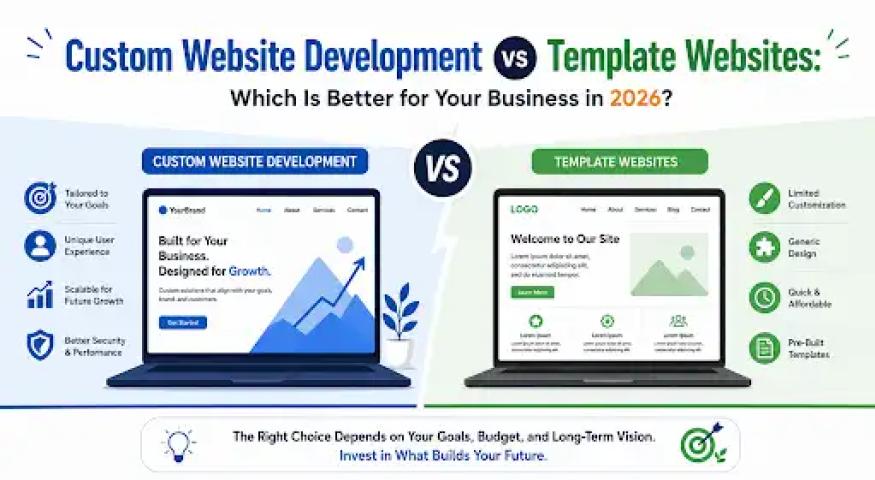
However, off-the-shelf solutions often fall short. Every real estate business operates differently, especially across cities, states, or countries.
The Power of Custom ERP Software for Real Estate
This is where custom ERP software makes a real difference. Instead of forcing your team to adapt to rigid software, custom solutions are built around your workflows.
Key advantages include:
- Tailored modules for property management, leasing, accounting, and maintenance
- Scalable architecture that grows with your portfolio
- Location-specific compliance for local regulations and tax structures
- Seamless integrations with CRM, payment gateways, and third-party tools
From residential developers to commercial property managers, customisation ensures efficiency without compromise.
How ERP Software Development Services Drive Real Results
Experienced ERP software development services focus on understanding real-world challenges before writing a single line of code. The transformation typically includes:
- Mapping existing operational gaps
- Automating repetitive and error-prone tasks
- Creating dashboards for quick, accurate insights
- Enhancing collaboration across departments
The result is not just software but a smarter way of working.
Real Estate ERP in a Geo-Focused World
Real estate is deeply local. Market trends, compliance rules, and customer expectations vary by region. Modern Real Estate ERP Software Development Services support
- Multi-location property management
- Region-wise financial and compliance reporting
- Local language and currency support
- Better responsiveness to regional market demands
This geo-aware approach helps businesses expand confidently into new markets.
Turning Technology into a Strategic Advantage
ERP adoption is not just a technical decision—it’s a business strategy. Companies that invest in the right solution often see:
- Faster deal closures
- Reduced operational costs
- Improved tenant and client satisfaction
- Stronger long-term scalability
For businesses exploring digital transformation, partnering with a trusted development team like Arobit Business Solutions Pvt. Ltd. can help translate complex requirements into practical, future-ready systems—without unnecessary complexity.
Conclusion
The real estate industry no longer runs on spreadsheets and disconnected tools. With the right ERP software development services, businesses can simplify operations, gain clarity, and prepare for sustainable growth. Custom ERP software doesn’t just solve today’s problems—it builds a foundation for smarter decisions tomorrow.
FAQs
1. What is real estate ERP software used for?
Real estate ERP software helps manage properties, finances, leases, maintenance, and customer relationships through a centralised system.
2. Why choose custom ERP software over ready-made solutions?
Custom ERP software aligns with your unique workflows, regional compliance needs, and scalability goals, unlike generic solutions.
3. How long does ERP software development take for real estate businesses?
Timelines vary based on features and complexity, but a phased, requirement-driven approach ensures better outcomes and smoother adoption.