
Smart factories aren’t built on machines alone. They run on software that connects data, people, and processes—so decisions happen faster, waste drops, and production stays predictable. If your shop floor feels “modern” but still relies on spreadsheets and manual handoffs, you’re not behind—you’re just missing the software layer that ties it all together.
What “smart software” really means in manufacturing
In day-to-day operations, smart software is less about buzzwords and more about removing friction:
- No more chasing updates across teams
- Fewer surprises in inventory and schedules
- Faster root-cause analysis when something breaks
- Accurate costing and traceability you can trust
A smart factory needs systems that can talk to each other—ERP, MES, SCADA/IoT, quality, maintenance, warehouse, and finance—without creating more complexity.
The real pain points software should solve
Most manufacturers don’t struggle because they lack effort. They struggle because information is scattered. Common issues include:
- Production planning based on outdated numbers
- Material shortages discovered too late
- Quality checks recorded manually (and hard to audit)
- Equipment downtime with unclear reasons
- Delayed dispatch because warehouse and production aren’t aligned
Good manufacturing software development starts by mapping these pain points into a workflow that’s measurable, visible, and repeatable.
Why “one-size-fits-all” tools often fall short
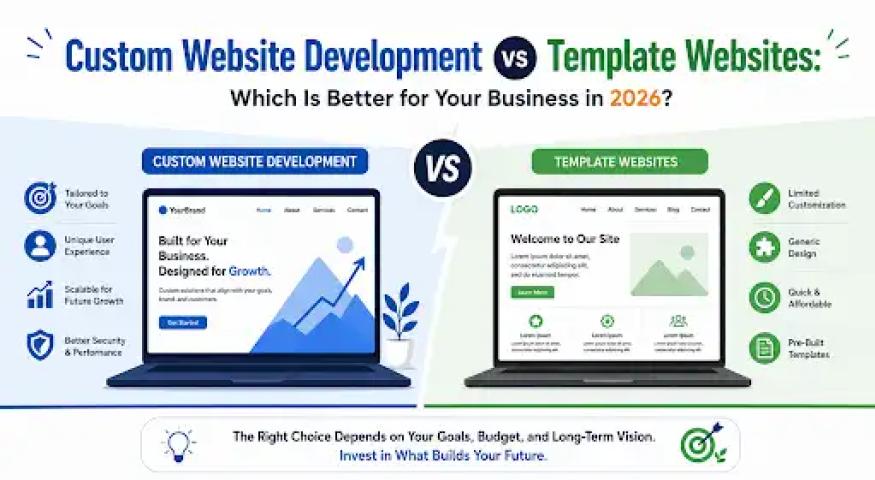
Off-the-shelf platforms can be useful, but manufacturing is full of exceptions: unique BOMs, routing rules, shift patterns, vendor constraints, and compliance needs. That’s why many teams eventually look for a manufacturing software development company that can tailor solutions instead of forcing teams to change how they work.
Custom development is especially valuable when you need:
- Integrations with legacy machines or older ERPs
- Industry-specific traceability and quality workflows
- Multi-plant planning with shared inventory rules
- Role-based dashboards for operators, supervisors, and leadership
Custom ERP software for manufacturing: when it makes sense
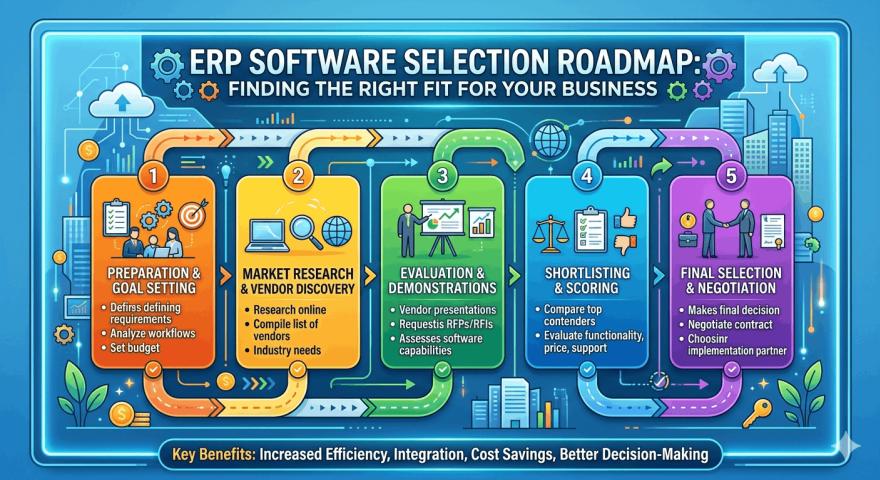
Not every company needs a full ERP rebuild. But custom ERP software for manufacturing becomes the right move when your growth is limited by rigid systems.
You may benefit from a custom ERP approach if you’re facing:
- Too many add-ons and workarounds in your current ERP
- Manual reconciliation between production, inventory, and accounts
- Poor visibility into WIP, yield, or actual vs. planned output
- Complex costing (scrap, rework, byproducts, subcontracting)
A practical path is often ERP modernization, not replacement: build custom modules around the core ERP, automate the messy parts, and integrate shop-floor data so the ERP reflects reality.
What a strong development partner actually does
A reliable partner doesn’t start with code. They start with clarity—then build in phases so you see value early.
Look for a team that can:
- Run discovery workshops with production, finance and QA.
- Define KPIs (OEE, OTIF, scrap rate, downtime reasons)
- Create a scalable architecture and integration plan
- Deliver secure, role-based systems with audit trails
- Support rollouts plant-by-plant with change management
This is where companies like Arobit Business Solutions Pvt. Ltd. focus: building custom software aligned with real manufacturing workflows, not generic templates.
Converting interest into action (without pressure)
If you’re comparing solutions right now, a simple next step is to request a process audit or system gap assessment. It helps you answer:
- What should be integrated first for the fastest ROI?
- Which workflows need customisation vs. configuration?
- What data is missing for real-time decision-making?
That kind of clarity turns “we need better software” into a plan your team can execute.
Conclusion
Smart factories succeed when software turns shop-floor events into decisions—quickly, accurately, and consistently. Whether you’re improving traceability, reducing downtime, or building better planning, the best results come from software that fits your operations. Start with the biggest bottleneck, modernize in phases, and choose a partner who understands manufacturing realities.
FAQs
1) How do I know if I need custom software or a ready-made product?
If your team uses frequent workarounds, manual exports, or disconnected tools to run core operations, you’ll likely benefit from custom modules or integrations—even if you keep your existing platform.
2) What’s the fastest place to start for measurable ROI?
Most manufacturers see quick wins by improving real-time visibility in production (WIP, downtime reasons), integrating inventory with planning, and automating quality records for traceability.
3) How long does manufacturing software development usually take?
Timelines vary by scope, but phased delivery works best: a discovery phase, then a minimum viable rollout for one plant/line, followed by expansions based on feedback and results.